
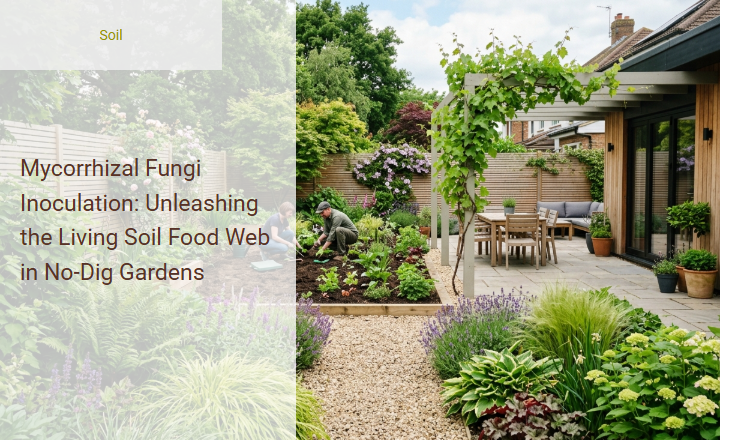
Many no-dig gardeners struggle with sluggish plant growth and stubborn nutrient lockup, despite applying inches of rich compost year after year. While topical organic matter is essential, it often remains biologically inert without the active underground engines of the soil food web to process it.
By introducing targeted mycorrhizal fungi inoculation, you grant your garden a subterranean highway system that actively unlocks inaccessible phosphorus and water, yielding self-sustaining fertility. However, inoculation is not a magic cure-all; these symbiotic fungi require a strictly undisturbed, no-dig soil structure to establish their delicate mycelial networks successfully. When properly integrated, heavy feeders like tomatoes exhibit robust disease resistance, while squash crops show remarkable drought tolerance.
In this article, we will examine the science of mycorrhizae, outline precise inoculation methods for no-dig beds, and establish a long-term management plan to keep your living soil thriving.
Read also: Till vs No-Till for Soil Microbes
Section 1: Introduction to the Underground Allies
Beneath the surface of a healthy garden lies a bustling metropolis of microscopic life, where plants and fungi form one of nature's most ancient partnerships. In a no-dig gardening system, introducing mycorrhizal fungi acts as a catalyst, transforming inert dirt into a dynamic ecosystem. By inoculating the soil at the time of planting, gardeners kickstart a thriving, self-sustaining food web that actively supports plant health and builds robust soil structure without human intervention.
Section 2: The Biology of Mycorrhizal Symbiosis
To understand this partnership, we must look at the microscopic scale where plant roots and fungal threads, known as hyphae, meet. Mycorrhizal fungi physically penetrate or wrap around the outer cells of plant roots, establishing a direct biological highway. Through this connection, a highly sophisticated mutual exchange occurs: the plant shares surplus sugars produced via photosynthesis, and in return, the expansive fungal network delivers vital soil nutrients and moisture from far beyond the reach of the plant's own root system.
Section 3: Why No-Dig is the Perfect Partner for Fungi
Traditional gardening relies heavily on annual tilling, a practice that acts as a natural disaster for the subterranean world. When a rototiller or spade rips through the earth, it physically shatters the delicate, expansive web of fungal hyphae that took months to establish.
By choosing the no-dig method, gardeners preserve this living infrastructure intact, allowing the fungal network to grow larger, stronger, and more resilient season after season.
Section 4: Key Benefits of Fungal Inoculation
- Enhanced Phosphorus Uptake: Fungi release specialized enzymes that unlock bound phosphorus in the soil, making it easily available to plants.
- Drought Resilience: The microscopic hyphae act as an extended root system, reaching deep into tiny soil pores to retrieve water during dry spells.
- Improved Soil Structure: Fungi produce glomalin, a natural sticky substance that binds soil particles into stable aggregates, improving aeration and water retention.
Section 5: Understanding the Types: Endo vs. Ecto Mycorrhizae
Endomycorrhizae
This type of fungi penetrates the cell walls of the plant roots. It is the most common variety and forms partnerships with nearly 85% of all plant species, including almost all of your favorite backyard vegetables like tomatoes, peppers, squash, onions, and leafy greens.
Ectomycorrhizae
These fungi do not penetrate the root cells but instead form a protective sheath around the outside of the roots. This group primarily associates with woody plants, including many conifers, oaks, birches, and beech trees, making them less relevant for vegetable beds but vital for forest gardens.
Section 6: How To Choose the Right Inoculant
When shopping for a commercial inoculant, always read the fine print on the product label to ensure you are getting a high-quality product. Look for formulations that list high spore counts rather than just propagules, and choose a blend that contains diverse species strains to cover different plant preferences. Finally, check the packaging for a fresh expiration date, as these are living organisms that lose viability over time if left sitting on a store shelf.
Section 7: Step-by-Step Inoculation Guide for Planting
- Prepare the transplant: Gently remove the young plant from its pot, exposing the root ball.
- Apply the powder: Dust the mycorrhizal powder directly onto the wet, bare root system to ensure physical contact.
- Inoculate the hole: Sprinkle an extra pinch of the powder directly into the bottom of the planting hole.
- Plant and backfill: Place the plant into the hole so the treated roots sit flush against the inoculated soil, then firm the soil around it and water gently.
Section 8: Supporting and Feeding Your Fungal Web
Once you have introduced these beneficial fungi to your garden, you must actively feed and maintain them. Applying thick layers of organic compost mulches provides a steady stream of organic matter for the soil food web to break down. Additionally, keeping living roots in the ground year-round by sowing cover crops during the off-season ensures your fungal allies always have a host plant to feed them with photosynthetic sugars.
Section 9: Pitfalls That Can Destroy Your Fungal Network
Many common gardening practices can quickly undo the work of establishing a healthy fungal network. To protect your underground allies, avoid the following inputs:
- Synthetic chemical fertilizers, particularly those high in soluble phosphorus, which cause plants to reject fungal partnerships.
- Systemic chemical fungicides, which directly target and kill the beneficial fungi in the soil.
- Over-watering and poor drainage, which starve the soil of oxygen and suffocate aerobic fungal life.
Section 10: The Long-Term Vision of a Living Soil
Nurturing a mature, mycorrhizal-rich no-dig garden is an investment in the future of your land. As the fungal network becomes fully integrated with your crops, the entire plot transitions into a self-regulating ecosystem. Over time, you will find that your garden requires far less supplemental fertilizer and irrigation, while continuously yielding nutrient-dense, resilient crops that are naturally equipped to thrive.
Summary
This article explores the transformative power of mycorrhizal fungi inoculation in fostering a highly productive and resilient ecosystem within no-dig gardens. By establishing a vital symbiotic relationship with plant roots, these beneficial fungi create an expansive underground network that dramatically enhances water absorption and nutrient uptake, particularly phosphorus.
In a no-dig gardening system, the soil structure remains undisturbed, providing the ideal environment for these delicate fungal networks to thrive and expand. Inoculating the soil not only boosts plant health, pest resistance, and crop yields, but it also accelerates the development of a complex, living soil food web. Ultimately, integrating mycorrhizal fungi into no-dig practices enables gardeners to cultivate self-sustaining, fertile soil that actively sequesters carbon and reduces the dependency on chemical fertilizers, paving the way for long-term ecological balance.
Leave a comment