
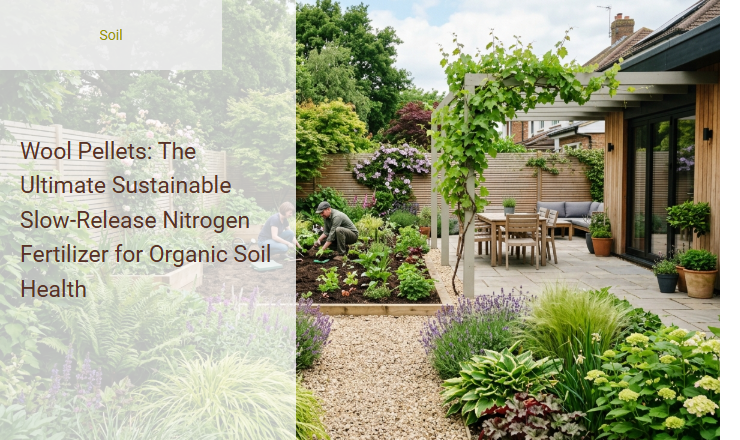
Maintaining optimal soil fertility is a constant struggle for organic growers, who frequently watch vital nutrients wash away during heavy rains or battle the frustrating cycle of rapid plant growth followed by sudden soil depletion.
While traditional compost builds excellent soil structure, it often lacks the long-term stamina to deliver consistent nutrition over an entire growing season. Transitioning to wool pellets bridges this gap, granting your crops a continuous, slow-release nitrogen source while simultaneously boosting the soil's water-retention capacity by up to twenty percent.
To leverage this amendment effectively, however, growers must understand that wool requires active soil biology to break down. For heavy-feeding crops like tomatoes and leafy brassicas, this slow microbial decomposition delivers essential macronutrients precisely when root systems require them most. In this article, we will examine the science of wool pellet decomposition, compare their water-holding capacity to traditional inputs, and outline practical application rates for your organic garden.
Read also: Feather Meal vs Fish Meal for Slow-Release Nitrogen
Introduction: The Search for Sustainable Soil Solutions
Traditional synthetic fertilizers present severe challenges to modern agriculture, often causing chemical runoff, soil degradation, and disruption of local ecosystems. As home growers seek cleaner paths, raw wool pellets emerge as a revolutionary, eco-friendly alternative for organic gardening. This sustainable material transforms the way we nourish our plants from the roots up.
What Are Wool Pellets?
Wool pellets are compressed, cylindrical pellets manufactured from raw, unwashed sheep wool. Producers specifically utilize belly wool and dags-the dirty, low-value portions of the fleece that are unsuitable for the textile industry. Instead of discarding this material, it is processed into an abundant, renewable soil amendment that supports a circular agricultural economy.
The Power of Slow-Release Nitrogen
Microbial Breakdown and Keratin Protein
The secret to this fertilizer lies in its complex molecular structure. Soil microbes slowly decompose the tough keratin protein found in raw wool, gradually breaking down the fibers over several months. This slow-release mechanism ensures a steady, long-term supply of nitrogen directly to the root zone, completely eliminating the risk of root burn associated with fast-acting synthetic options.
Enhancing Water Retention in Organic Soil
One of the most remarkable physical properties of raw wool is its natural hygroscopic ability. When embedded in garden soil, these pellets act like microscopic sponges, absorbing moisture and expanding significantly to benefit your plants.
- Holds up to twenty times their dry weight in water.
- Reduces overall irrigation frequency and water consumption.
- Protects sensitive plant roots during intense dry spells and heatwaves.
Improving Soil Aeration and Structure
As wool pellets continuously absorb water and dry out, their physical expansion and contraction create tiny shifting pathways within the earth. This dynamic movement naturally loosens dense clay soils, aerates compacted root zones, and prevents soil compaction, allowing roots to spread freely and access vital oxygen.
A Carbon-Negative, Eco-Friendly Choice
Choosing wool pellets means making a deeply sustainable choice for the planet. Because wool is composed of atmospheric carbon captured by sheep, burying these pellets in your garden facilitates genuine carbon sequestration. Additionally, utilizing waste wool reduces agricultural landfill volume and provides an essential secondary stream of income for hardworking sheep farmers.
Understanding the Nutrient Profile
Wool pellets offer a balanced and highly effective nutritional profile for organic vegetable gardens and houseplants alike. They deliver a robust NPK ratio alongside critical secondary nutrients.
- High Nitrogen Content: Typically around 9 to 11 percent for healthy foliage growth.
- Sulfur and Calcium: Essential elements that strengthen cell walls and improve disease resistance.
- Potassium: Promotes strong root development and overall plant vigor.
Step-by-Step Guide: How to Apply Wool Pellets
- For potting soil and containers, thoroughly mix 1/2 cup of pellets per gallon of soil before planting.
- For established garden beds, incorporate the pellets into the top 2 to 3 inches of soil around your crops.
- For transplants, place a small handful of pellets directly into the planting hole to establish a direct nutrient reservoir.
Natural Pest Deterrence: Repelling Slugs and Snails
Protecting vulnerable crops no longer requires toxic chemical applications. The microscopic, abrasive texture of raw wool fibers, combined with the natural salt and lanolin content, creates an incredibly uncomfortable surface for soft-bodied pests. Slugs and snails will actively avoid crossing a protective barrier of wool pellets, keeping your leafy greens safe and pristine.
Conclusion: Elevating Your Organic Gardening Practices
By delivering vital nutrients, improving water retention, deterring pests naturally, and advancing environmental sustainability, wool pellets offer an unmatched holistic solution. Adopting this circular-economy resource is a powerful way to cultivate a thriving, resilient garden. Make the switch to raw wool pellets today and nurture your soil with the restorative power of nature.
Summary
In the quest for sustainable agriculture, wool pellets are emerging as a game-changing organic fertilizer. Derived from raw sheep's wool-often a bypassed byproduct of the textile industry-these biodegradable pellets provide a powerful, slow-release source of nitrogen and essential macronutrients directly to the soil. As they gradually decompose, they improve soil aeration, enhance structure, and stimulate beneficial microbial activity, fostering robust plant growth without the environmental risks associated with synthetic chemical runoff.
Beyond nutrient delivery, wool pellets excel at water retention. They can absorb up to twenty times their weight in water, significantly reducing irrigation needs and protecting crops during dry spells. Naturally pest-repellent and entirely weed-free, wool pellets offer an innovative, circular-economy solution for gardeners and commercial growers alike, proving that enhancing long-term organic soil health can be both highly effective and environmentally responsible.
Leave a comment