
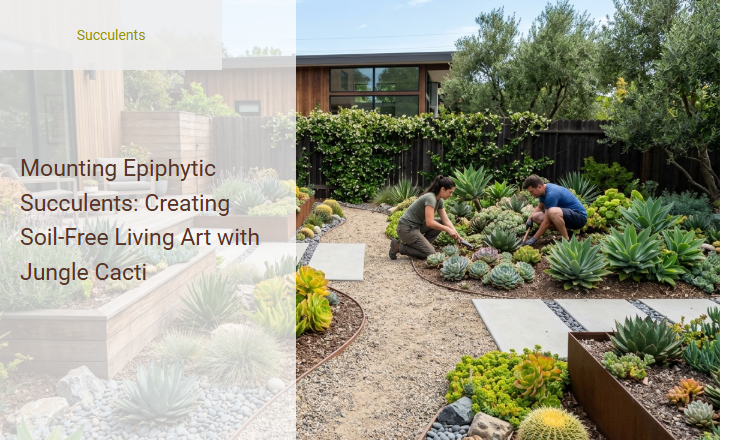
Many indoor gardeners struggle with chronic root rot, fungus gnats, and messy soil spills when cultivating traditional potted plants in limited indoor spaces. To resolve these challenges, we must first understand how these unique species behave in the wild. In their native rainforest canopies, epiphytic succulents grow anchored to tree bark and branches rather than buried in dense earth.
Mimicking this natural habitat allows you to create stunning, space-saving vertical living art that promotes superior root aeration and plant health. However, success requires a shift in mindset; unlike arid desert cacti, jungle species such as Rhipsalis (mistletoe cactus) and Schlumbergera (holiday cactus) demand specific ambient humidity and structured moisture retention to thrive without soil.
This guide will walk you through the essential mounting materials, step-by-step assembly techniques, and professional maintenance protocols to keep your soil-free installations thriving for years to come.
Read also: High Humidity vs Arid Air for Epiphytic Succulents
Introduction to Jungle Cacti: The Epiphytic Wonders
Unlike their dry-land cousins, epiphytic succulents are remarkable plants that grow anchored to other trees and rocks rather than in the ground. These plants are not parasites; they simply use their hosts for physical support while absorbing moisture and nutrients from the air, rain, and organic debris around them. In the botanical world, jungle cacti represent a fascinating evolutionary detour from traditional desert cacti.
While desert cacti have adapted to survive intense, direct sunlight and prolonged droughts in sandy soils, jungle cacti thrive in the humid, dappled shade of tropical rainforests. They have traded sharp spines for flat, segmented stems designed to maximize light absorption under dense forest leaves. Utilizing these unique plants as soil-free living art allows indoor gardeners to bring the lush, vertical layers of the rainforest directly into modern living spaces.
The Aesthetic and Ecological Appeal of Mounted Displays
Mounting epiphytic jungle cacti on natural wooden backdrops is more than just a design trend; it is a highly functional cultivation method that honors the natural lifecycle of these unique species. In their native habitats, these plants dangle gracefully from mossy tree forks, their roots exposed to constant airflow. Placing them on wooden mounts replicates these exact conditions, reducing the risk of waterlogged soil which often leads to root damage in traditional pots.
"By elevating plants onto vertical surfaces, we recreate the natural architecture of the jungle canopy, allowing their trailing stems to cascade naturally just as they would in the wild."
From an interior design perspective, these mounted displays function as three-dimensional, breathing sculptures. They free up valuable windowsill and counter space, transforming blank walls into vibrant, tactile vertical gardens. This method of displaying plants bridges the gap between horticulture and artistic home decor, showcasing the architectural form of the cacti in its purest state.
Best Jungle Cacti Species for Mounting
Not all cacti are suited for life on a vertical wooden board, but several jungle genera thrive when mounted. These species are characterized by trailing habits, flexible stems, and adventitious roots that easily grip textured surfaces.
- Schlumbergera (Holiday Cacti): Famous for their colorful winter blooms, these plants feature flat, segmented stems that drape beautifully over the edges of a mount.
- Epiphyllum (Orchid Cacti): Known for their broad, strap-like leaves and exceptionally large, fragrant flowers, these cacti create a dramatic, sculptural focal point.
- Rhipsalis (Mistletoe Cacti): Characterized by thin, pencil-like, or thread-like trailing stems, these plants form dense, pale-green waterfalls of foliage that soften the hard edges of any mounting material.
Selecting the Perfect Mount: Wood, Cork, and Beyond
The foundation of your vertical display is the mounting medium itself. Choosing the right material ensures that your plant has a stable home that can withstand regular watering without decomposing too quickly.
- Cork Bark: This is the premier choice for mounting epiphytes. It is highly textured, lightweight, incredibly rot-resistant, and has deep crevices that give plant roots plenty of space to anchor securely.
- Driftwood: Highly valued for its unique, weathered shapes and artistic curves, driftwood makes a gorgeous backdrop. However, it must be thoroughly soaked in fresh water before use to leach out any lingering sea salts.
- Cedar Planks: A readily available and economical option, cedar contains natural oils that resist rot and insect damage, providing a flat and modern aesthetic for minimalist displays.
Gathering Your Mounting Toolkit
Before beginning the mounting process, it is important to gather the specialized tools and materials that will support your plant as it transitions to its soil-free life.
Sphagnum moss: High-grade, long-fiber moss acts as the primary moisture reservoir for your cactus, holding water while allowing oxygen to reach the roots.Monofilament fishing line: This clear, strong line is ideal for securing the plant and moss bundle to the mount invisibly.Floral wire or coated twist ties: These provide temporary, heavy-duty support for larger or top-heavy cactus specimens.Eye hooks and hanging hardware: Essential metal components screwed into the back of your wood mount to allow for easy hanging on walls.
Step-by-Step Guide to Mounting Your Epiphyte
Mounting your jungle cactus requires a gentle touch to ensure the root system is secure but not crushed during the installation process.
- Prepare the plant: Gently remove your chosen cactus from its nursery pot. Brush away excess soil from the root ball, taking care not to damage the delicate root fibers.
- Hydrate the moss: Soak a generous handful of long-fiber sphagnum moss in water, then squeeze out the excess moisture so it remains damp but not dripping wet.
- Create a moss bed: Place a small cushion of damp moss onto your selected wood or cork mount where the plant will sit.
- Position the cactus: Lay the roots of the cactus gently onto the moss bed, arranging the stems so they cascade downward in an aesthetically pleasing direction.
- Cover and secure: Place another layer of damp moss over the exposed roots. Wrap the fishing line repeatedly around the moss bundle and the mount, tying it tightly at the back to ensure the plant is completely stable.
Lighting and Temperature: Recreating the Jungle Canopy
To keep your mounted jungle cacti thriving, you must replicate the filtered light of their native forest homes. These plants are easily sunburned by the harsh, direct rays that desert cacti love.
In terms of temperature, these tropical plants prefer moderate warmth, ideally between 60°F and 80°F (15°C to 27°C). Protect your mounted displays from cold drafts, air conditioning vents, and sudden temperature drops, as freezing conditions can quickly destroy their fleshy stems.
Watering and Humidity Secrets for Soil-Free Cacti
Without a pot of soil to retain moisture, mounted jungle cacti dry out much faster than traditional houseplants. Balancing hydration is the most critical aspect of caring for soil-free displays.
To water your mount, take the entire assembly to a sink or shower and thoroughly soak the moss bundle with lukewarm water until it is completely saturated. Let the mount drip dry before hanging it back on the wall. In dry indoor environments, regular misting between deep waterings helps maintain the elevated humidity levels these jungle plants crave.
Long-Term Care, Fertilization, and Pruning
As your mounted display matures, it will require simple routine maintenance to keep the plant healthy and proportional to its wooden backing.
- Dilute Fertilization: Since moss contains few nutrients, spray the root zone with a highly diluted, balanced liquid fertilizer once a month during the active spring and summer growing seasons.
- Pruning for Shape: Trim back leggy or overly long stems to encourage bushier growth and prevent the display from becoming too heavy for its mount.
- Root Inspection: Over time, the sphagnum moss may break down. Gently tuck fresh, damp moss around the root zone every couple of years to maintain adequate moisture retention.
Displaying Your Living Art and Troubleshooting
Once your jungle cacti are securely mounted, you can arrange them in creative gallery walls, hang them from ceiling hooks, or position them within bathroom spaces where natural humidity runs high. Designing with these vertical plants allows you to build a dynamic green wall that evolves over time.
Keep a close eye on your plants for early signs of environmental stress. If you notice wrinkled, soft stems, the plant is likely dehydrated and needs more frequent soaking. Conversely, mushy, blackened bases at the root line indicate poor air circulation or overwatering, requiring you to let the mount dry out completely and trim away any damaged tissue before rot spreads.
Summary
"Mounting Epiphytic Succulents: Creating Soil-Free Living Art with Jungle Cacti" explores the innovative practice of growing epiphytic jungle cacti without soil, transforming them into stunning, vertical displays. Unlike typical desert cacti, epiphytes like Schlumbergera (holiday cacti), Rhipsalis, and Epiphyllum naturally thrive in the humid crevices of rainforest canopies.
By anchoring these plants to organic mounts-such as driftwood, cork bark, or cedar plaques-using damp sphagnum moss and monofilament line, indoor gardeners can beautifully replicate their native habitats. This soil-free cultivation method not only prevents root rot but also elevates interior plant styling into a dynamic form of living art. The article outlines essential steps for a successful mounting project, including securing the root ball and mastering watering techniques like misting and soaking. Ultimately, mounted jungle cacti offer a low-maintenance, visually captivating way to bring lush, sculptural greenery into any home.
Leave a comment