
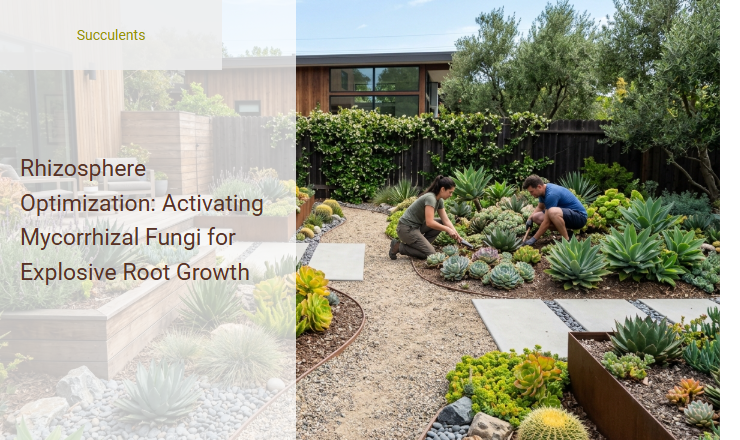
Cultivators frequently struggle with stagnant crop yields and nutrient lockout, watching premium inputs go to waste. Before investing in stronger synthetic fertilizers, it is vital to understand that plant health begins in the living soil matrix. Optimizing this rhizosphere grants plants an expanded, self-sustaining biological network that exponentially increases surface area for water and nutrient uptake.
However, successful bio-activation requires strict environmental stewardship; simply applying inoculants to dry, compacted soil yields no results. Incorporating targeted Glomus intraradices strains alongside soluble humic acids serves as concrete proof of how tailored biologicals accelerate root colonization. In this guide, we will analyze the science of mycorrhizal symbiosis, explore practical activation strategies, and outline the exact protocols required to achieve explosive root development and long-term crop resilience.
Read also: Clay Pots vs Plastic Pots for Moisture Control
Demystifying the Rhizosphere: The Gateway to Soil Vitality
Beneath the surface of the earth lies a bustling, microscopic metropolis known as the rhizosphere. This thin zone of soil, directly influenced by root secretions, serves as the critical biological interface where plants interact with the subterranean environment. It is not merely dirt; it is a dynamic arena of constant chemical communication and energy exchange. Through the exudation of sugars, amino acids, and organic compounds, plants actively recruit beneficial microorganisms to their root zone. This biological activity transforms the rhizosphere into the primary gateway for plant nutrition, unlocking essential minerals and fostering a resilient ecosystem that supports life above ground.
The Fungal Allies: Distinguishing AMF and Ectomycorrhizae
Among the most important microscopic inhabitants of the rhizosphere are mycorrhizal fungi. These organisms form symbiotic relationships with plant roots, categorized primarily into two distinct functional groups based on how they physically interface with their hosts:
- Arbuscular Mycorrhizal Fungi (AMF): These fungi penetrate the individual cell walls of the root cortex, forming highly branched structures called arbuscules. They do not puncture the cell membrane itself but press against it, maximizing the surface area for nutrient exchange. AMF are incredibly common, partnering with over 80% of all terrestrial plant species, including most agricultural crops, vegetables, and herbaceous plants.
- Ectomycorrhizae: Unlike AMF, these fungi do not penetrate the host cell walls. Instead, they form a dense sheath, or mantle, around the exterior of the root tips and weave a network of hyphae (known as the Hartig net) between the outer cortical cells. This type of symbiosis is most prevalent among woody trees and shrubs, including many temperate forest species such as pines, oaks, and birches.
The Symbiotic Handshake: How Root-Fungal Colonization Occurs
The establishment of this fungal partnership is a highly coordinated biological dance, requiring precise biochemical signaling and cellular remodeling.
- The plant initiates the process by releasing specific signaling hormones called strigolactones into the surrounding rhizosphere when nutrients, particularly phosphorus, are scarce.
- Mycorrhizal spores in the soil detect these chemical signals, germinate, and grow toward the root system, releasing their own signals known as Myc factors to prepare the host.
- Upon reaching the root surface, the fungal hyphae form an adhesion structure called an appressorium, which serves as the entry point into the outer root tissues.
- The fungus then carefully penetrates the root cortical cells, utilizing specialized enzymes to soften the cell walls without triggering the plant's immune defense system.
- Once inside, the fungus develops its intricate nutrient-exchange interface, establishing a lifelong metabolic network that benefits both organisms.
Supercharging Nutrient and Water Acquisition
Once established, the fungal network acts as a natural extension of the plant's own root system. Because fungal hyphae are exponentially thinner than even the finest root hairs, they can navigate microscopic soil pores that are otherwise completely inaccessible to the plant.
"By weaving a vast underground web, mycorrhizal hyphae effectively expand the active root surface area by up to 1,000 times, allowing plants to access deep-water reserves and mine tightly bound phosphorus that would otherwise remain chemically locked in the soil matrix." - Soil Biology and Biochemistry Journal
This massive physical expansion acts as a life-support system during dry spells. While roots quickly deplete the moisture in their immediate vicinity, the far-reaching hyphal threads draw water from deep, distant soil pockets, stabilizing the plant's hydration and maintaining metabolic activity under stressful environmental conditions.
Natural Armor: Biotic and Abiotic Stress Resistance
A well-colonized root system is far better equipped to withstand environmental challenges than one relying solely on its own roots. The fungal network provides a multi-layered shield that enhances overall plant resilience.
This protection operates on several levels. Physically, the dense fungal mantle of ectomycorrhizae or the competitive presence of AMF blocks entry points for destructive, soil-borne pathogens. Biochemically, the fungi stimulate the plant's own defense mechanisms-a phenomenon known as systemic induced resistance-which primes the plant to react faster to pests and diseases. Furthermore, mycorrhizae can immobilize toxic heavy metals in their own cell walls, preventing these toxins from entering the plant's vascular system while simultaneously regulating salt uptake in highly saline environments.
Inoculation Strategies: Activating the Soil Matrix
To establish these beneficial partnerships in depleted soils or sterile potting mixes, growers can introduce commercial mycorrhizal inoculants. Proper application ensures that the fungal spores make direct contact with the emerging root system.
- Seed Sowing: Dust dry seeds directly with inoculant powder before planting, or line the seed furrow with a light dusting of the powder to ensure immediate contact upon germination.
- Transplanting: Apply the inoculant directly to the root ball or sprinkle it into the planting hole when moving seedlings into larger containers or garden beds, placing the spores in the direct path of root growth.
- Established Root Zones: For existing plants, make deep, narrow holes around the drip line of the canopy and pour a liquid suspension of the inoculant directly into the root zone to encourage colonization.
Creating the Ideal Microclimate: Soil pH, Moisture, and Aeration
For mycorrhizal spores to successfully germinate, colonize, and maintain a thriving network, the physical and chemical conditions of the soil must be supportive. Extreme conditions can stall or destroy these delicate organisms.
| Parameter | Optimal Range / Condition | Impact on Mycorrhizae |
|---|---|---|
| Soil pH | 6.0 to 7.5 | Supports spore germination and optimal nutrient solubility for exchange. |
| Moisture Level | Damp, well-draining (field capacity) | High oxygen allows hyphae to breathe; waterlogged soil suffocates the fungi. |
| Soil Aeration | Loose, uncompacted soil structure | Promotes easy hyphal expansion and crucial gas exchange within the rhizosphere. |
Practices to Avoid: Preserving Your Fungal Network
While establishing a mycorrhizal network can take weeks or months, human intervention can disrupt or destroy it in a matter of hours. Growers must be mindful of common management practices that harm soil biology.
- High-Phosphorus Fertilizers: When plants are flooded with easily accessible, synthetic phosphorus, they cease chemical signaling to their fungal partners, effectively shutting down the symbiosis and starving the fungal network.
- Intensive Rototilling: The mechanical turning of soil physically shears and pulverizes the delicate networks of hyphae, forcing the fungi to expend massive energy rebuilding their structures from scratch.
- Broad-Spectrum Fungicides: Chemical soil drenching aimed at controlling pathogenic fungi often inflicts severe collateral damage on beneficial mycorrhizal species, sterilizing the rhizosphere.
Measuring Success: Indicators of Active Colonization
Because the rhizosphere is hidden underground, verifying successful mycorrhizal colonization requires looking at both microscopic evidence and macro-level field indicators.
In a laboratory setting, scientists confirm colonization by clearing and staining root samples with specialized dyes, revealing the beautiful arbuscules and hyphal threads under a microscope. In the field, growers can look for signs of a thriving rhizosphere, such as increased overall plant vigor, richer leaf color due to improved nutrient uptake, and the development of crumbly, well-aggregated soil around the roots. This aggregation is driven by glomalin, a sticky glycoprotein secreted by AMF that binds soil particles together.

The Living Soil Legacy: Long-Term Rhizosphere Sustainability
Nurturing a vibrant, mycorrhizae-rich rhizosphere is not a temporary gardening fix; it is a commitment to the long-term health of our planet's soils. By prioritizing the biological integrity of the root-fungal interface, we reduce our dependency on synthetic inputs, lower carbon footprints, and restore natural nutrient cycles. Cultivating this symbiotic relationship serves as a cornerstone of regenerative agriculture, transforming degraded dirt into a self-sustaining ecosystem. Investing in the microscopic life beneath our feet ensures the fertility, resilience, and productivity of our landscapes for generations to come, proving that the smallest organisms truly drive the greatest ecological legacies.
Summary
"Rhizosphere Optimization: Activating Mycorrhizal Fungi for Explosive Root Growth" explores the vital symbiotic relationship between plants and beneficial soil fungi within the rhizosphere. By actively inoculating soil with mycorrhizal fungi and fostering a supportive underground environment, growers can dramatically expand a plant's effective root surface area.
The resulting fungal network, or mycelium, acts as a secondary root system that significantly enhances water absorption and the uptake of essential nutrients like phosphorus. The article details practical strategies for rhizosphere optimization, such as incorporating organic amendments, reducing tillage, and avoiding synthetic fertilizers that can disrupt fungal colonization. Ultimately, activating these natural fungal partners stimulates explosive root development, improves plant resilience against drought and disease, and boosts overall crop yields, offering a sustainable pathway to high-performance agriculture.
Leave a comment