
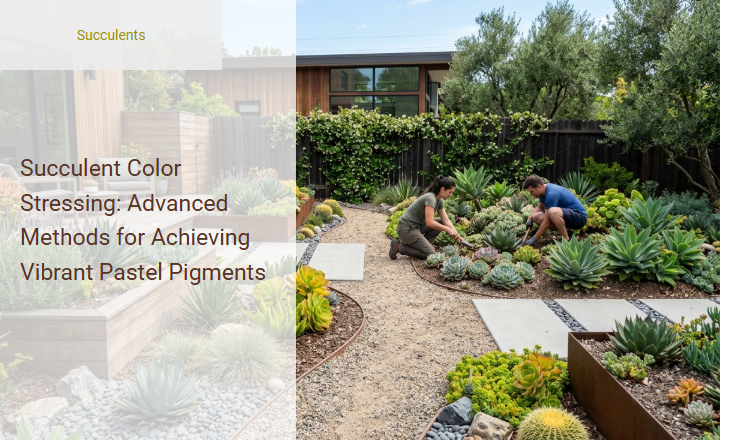
Many dedicated collectors face the frustrating reality of watching their prized succulents revert to a dull, uniform green, despite meticulous daily care. To overcome this plateau, we must first understand that intense coloration is not a permanent genetic state, but rather a sophisticated, protective adaptation to environmental shifts. Mastering these biological triggers grants you the ability to unlock a breathtaking, custom palette of gallery-worthy pastel hues.
However, achieving these delicate pigments requires a disciplined approach; unguided stress can easily cross the line into permanent cellular damage. When executed with precision, these advanced methods can safely coax the dusty lilac tones out of Echeveria 'Lola' or the vibrant coral tips from Sedum rubrotinctum. In this guide, we will detail the precise temperature manipulation, calculated watering restrictions, and targeted lighting spectrums required to safely elevate your collection's aesthetic.
Read also: Organic Fertilizer vs Chemical Fertilizer for Growth Boosting
Introduction to Succulent Anthocyanins and Carotenoids
The breathtaking colors observed in stressed succulents are the result of sophisticated biochemical adaptations. Under ideal growing conditions, succulents rely on green chlorophyll to capture light and produce energy through photosynthesis. However, when environmental stressors are introduced, chlorophyll production slows down and begins to retreat.
This reduction in green pigment unmasks underlying pigments that serve as natural sunscreens and cellular protectants. Among these, anthocyanins are responsible for producing striking shades of red, purple, and pink. Simultaneously, carotenoids and flavonoids emerge to exhibit vibrant yellows, oranges, and soft peach tones. This pigment transition is a defensive shield, neutralizing harmful free radicals and protecting the plant's delicate internal tissues from solar radiation.
Optimizing Light Quality and UV-B Exposure
The Power of the Solar Spectrum
To stimulate the synthesis of protective pastel pigments, succulents require high-intensity light. Broad-spectrum light triggers photoreceptors within the plant, signalling the need to produce anthocyanins to prevent cellular damage.
Grow Light Selection and Photoperiods
- Select specialized LED grow lights that feature dedicated UV-B and deep blue chips to mimic natural high-altitude sunlight.
- Maintain a consistent photoperiod of 12 to 16 hours of high-intensity light per day to initiate the color-changing pathway.
- Position artificial fixtures close to the canopy, adjusting the height gradually to avoid immediate shock while maximizing photon delivery.
Temperature Fluctuations and Thermoregulation
To lock in those sought-after pink, lavender, and deep plum hues, plants must experience significant diurnal temperature shifts. A wide gap between day and night temperatures slows down the metabolic rate of the succulent, preventing the rapid breakdown of anthocyanins that usually occurs during warm night cycles.
Aim for daytime temperatures around 70°F to 80°F (21°C to 27°C) coupled with nighttime drops down to 40°F to 50°F (4°C to 10°C). This thermal contrast acts as a physiological brake, trapping the colorful pigments in the leaves. It is crucial to keep the environment above freezing, as frost will damage cellular walls and ruin the structural integrity of the plant tissue.
Strategic Water Deprivation Protocols
The Cellular Mechanics of Drought Stress
When water is withheld, the succulent's cells begin to shrink, concentrating the dissolved sugars, minerals, and pigments within the remaining sap. This concentration process deepens the natural pastel tones and forces the plant into a highly colorful state of stasis.
Step-by-Step Drought Stress Guide
- Wait for the succulent's lower leaves to show slight wrinkling and loss of turgidity, indicating that the soil is completely dry.
- Extend the normal watering interval by an additional seven to ten days, monitoring the plant daily for signs of severe distress.
- Apply a minimal amount of water when you do irrigate, providing just enough to prevent root dieback without fully plumping up the foliage.
Nitrogen Starvation and Fertilizer Control
Nitrogen is the primary fuel for vegetative growth and chlorophyll synthesis. When nitrogen is abundant, succulents prioritize rapid growth and remain deep green. By restricting nitrogen, you halt this growth phase and force the plant to display brilliant carotenoid-driven yellows and oranges.
"By withholding nitrogen while maintaining trace amounts of potassium and phosphorus, you encourage the accumulation of carbohydrates in the leaves, which directly accelerates the synthesis of colorful anthocyanin pigments."
Mineral-Rich Soil Mixes for Pigment Enhancement
The Benefits of Gritty Substrates
Sustaining pastel colors over long periods requires a growing medium that limits nutrient intake and promotes rapid drainage. Traditional organic soils retain too much moisture and nitrogen, which leads to rapid green growth and loss of color stressing.
Formulating the Ideal Stress Mix
Create a substrate using a high ratio of inert, gritty components such as pumice, lava rock, and calcined clay, limiting organic peat or coir to less than ten percent of the overall volume. This nutrient-poor environment restricts root expansion slightly, simulating the rocky cliffs where wild, highly colored succulents naturally thrive.
Harnessing Seasonal Transitions for Maximum Color
Autumn and spring represent the golden windows for succulent coloration. During these transitional periods, the natural environment aligns perfectly with the plant's biological stress triggers. The combination of cooling air temperatures and shifting solar angles prompts a rapid increase in blushing behaviors.
As the days grow shorter in autumn, the combination of crisp night air and intense daytime sun maximizes pigment production. In spring, the gradual increase in light intensity combined with lingering cool drafts coaxes out delicate, variegated pastel shades that are difficult to replicate during the extreme heat of midsummer or the low-light periods of midwinter.
Targeting Specific Pastel Pigments
Environmental Customization Matrix
By adjusting specific variables in your growing setup, you can encourage your succulents to express precise color palettes ranging from cool mints to warm peaches.
| Target Pastel Color | Primary Pigment Group | Key Environmental Trigger |
|---|---|---|
| Lavender and Plum Purples | Anthocyanins | Deep overnight temperature drops paired with intense light |
| Soft Peach and Orange | Carotenoids & Flavonoids | Strict nitrogen deprivation combined with drought stress |
| Chalky Mint and Blue-Grey | Epicuticular Wax (Farina) | High-intensity UV-B exposure and low relative humidity |
Recognizing and Preventing Over-Stressing Damage
While color stressing produces beautiful results, it is a delicate balancing act. There is a fine line between a beautifully colored, resilient succulent and one that is suffering from irreversible cellular collapse.
Watch closely for signs of sunburn, which present as permanent beige or black scabs on the leaves. Shriveling that extends to the center growth point indicates dangerous levels of dehydration. If the leaves become translucent or mushy, rot has set in, and you must immediately halt all stress protocols.
Long-Term Color Preservation and Recovery Cycles
No succulent can survive in a permanent state of high stress without eventually degrading in health. To maintain a vibrant collection for years, you must implement structured recovery phases to balance the stressing periods.
After four to six weeks of intense color stressing, transition your plants into a recovery cycle. Provide a thorough watering and move them slightly away from the peak intensity of your grow lights for a short period. For detailed guidance on proper hydration techniques during these recovery phases, consult our comprehensive guide on succulent watering science to ensure your plants regain the strength needed for their next colorful display.
Summary
The article "Succulent Color Stressing: Advanced Methods for Achieving Vibrant Pastel Pigments" explores the horticultural science and practical art of manipulating environmental factors to coax brilliant pastel hues from succulents. While these resilient plants are naturally green to maximize photosynthesis, strategic "stressing" under controlled conditions triggers the production of anthocyanins and carotenoids-the pigments responsible for stunning pinks, purples, yellows, and reds.
The guide outlines advanced techniques to safely achieve these dramatic color shifts without compromising long-term plant health. Key methods include optimizing light exposure using high-intensity LED grow lights, implementing deliberate temperature drops (particularly cool night temperatures), and practicing controlled underwatering. Additionally, the author emphasizes the role of nutrient deprivation, specifically using low-nitrogen fertilizers to stall chlorophyll production. Ultimately, this resource provides enthusiasts with the precise balance of environmental triggers needed to transform ordinary succulents into vibrant, living masterpieces.
Leave a comment