
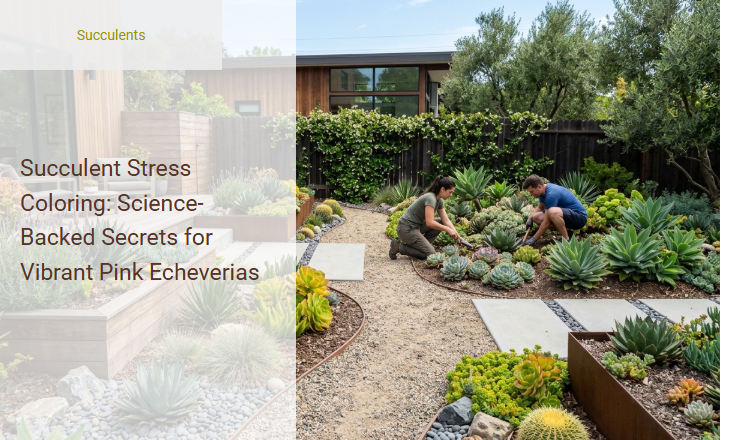
Few things are more frustrating to a succulent enthusiast than purchasing a breathtaking, blushing Echeveria, only to watch it fade into a stubborn, uniform green once settled at home. Despite your meticulous watering routine, that vibrant pink luster can feel entirely out of reach.
To reverse this, we must first look at how these plants adapt to their native, arid habitats. By understanding their evolutionary survival mechanisms, you gain the precise tools to safely trigger the synthesis of anthocyanins-the protective pigments responsible for those coveted, photogenic pastel pinks.
However, an important distinction must be made: "stressing" in botany does not mean abusing your plant, but rather utilizing controlled, non-lethal environmental cues. For instance, pairing a deliberate drop in nighttime temperatures to 50°F with targeted, high-intensity UV exposure serves as a safe catalyst for dramatic color shifts without compromising structural health.
In this guide, we will examine the biological science of succulent coloration, establish safe thresholds for environmental manipulation, and outline a step-by-step protocol to achieve vibrant, lasting pink hues.
Read also: Bottom Watering vs Top Watering for Root Development
The Biology of Blush: What is Succulent Stress?
While a human blush signals embarrassment or excitement, a succulent's blush is a sophisticated physiological defense mechanism. In their native habitats, Echeverias endure harsh environments that challenge their survival. To protect themselves from damage, these resilient plants produce anthocyanins and carotenoids-pigments that act as natural sunscreens. When environmental conditions change, the dominant green chlorophyll breaks down, allowing these vibrant pink, purple, and red pigments to take center stage, transforming a standard green rosette into a stunning, colorful masterpiece. Understanding this stress response is the key to unlocking the most vivid colors your plants can offer.
Photonic Triggers: Harnessing UV Light for Vivid Pinks
Light is the most critical element in shifting your Echeveria from a dull green to a brilliant pink. High-intensity light, specifically the UVB spectrum, acts as a primary catalyst for pigment production. When UVB rays hit the leaves, the plant synthesizes anthocyanins to shield its delicate cellular structures from photodamage. To successfully trigger this change, you must provide adequate exposure while mimicking their natural, high-altitude environments.
- Daily Light Requirement: Ensure your Echeveria receives a minimum of 10 to 12 hours of bright, filtered sunlight daily.
- Natural Sunlight: Morning sun combined with light afternoon shade provides the ideal balance of intensity without overheating.
- Grow Light Alternatives: If natural light is limited, utilize full-spectrum LED grow lights or high-output T5 fluorescent bulbs placed 6 to 8 inches above the plants.
Thermal Shifts: Using Temperature to Deepen Succulent Hues
Temperature fluctuations play a massive role in locking in deep pink tones. When chilly autumn and winter temperatures arrive, the metabolic rate of Echeverias slows down significantly. This shift halts the production of green chlorophyll, leaving the colorful anthocyanins highly visible.
"A sharp contrast between warm day temperatures and cool night temperatures is the secret weapon for succulent collectors seeking maximum color intensity."
To achieve this effect, aim for a diurnal temperature drop of at least 20 to 25 degrees Fahrenheit. Consistently exposing your plants to nighttime temperatures between 40°F and 50°F (4°C to 10°C), while keeping daytime temperatures warm, will rapidly intensify their pink hues. Just ensure the temperature does not drop below freezing, as frost will permanently damage the delicate leaf cells.
Controlled Drought: The Art of Water Deprivation
Water deprivation is another highly effective tool for inducing stress colors safely. When soil moisture is completely depleted, Echeverias enter a survival mode. During this period of controlled drought, the plant conserves resources, concentrating its pigments and intensifying the pink coloration throughout the leaf margins and tips.
- Assess the Soil: Wait until the potting medium is completely dry all the way to the bottom of the pot.
- Read the Leaves: Look for subtle signs of thirst, such as slight wrinkling on the lower leaves or a gentle loss of turgor pressure.
- Implement the Delay: Once the soil is bone-dry, delay watering for an additional 7 to 10 days before providing a thorough soak.
Nutrient Starvation: Why Less Fertilizer Means More Color
Abundant nutrients, especially nitrogen, promote rapid vegetative growth. While this results in a larger plant, it also forces the Echeveria to focus its energy on producing green chlorophyll rather than protective stress pigments. By starving the plant of excess nutrients, you encourage compact growth and vibrant pink coloration.
To maintain vivid colors, avoid using standard houseplant fertilizers altogether. If you must fertilize to support basic health, use a low-nitrogen, high-potassium formula diluted to one-quarter strength, applying it only once or twice during the spring active growing season.
Genetic Potential: Top Echeveria Cultivars for Pink Pigment
While environmental stressors are essential, starting with the right genetics will guarantee success. Some Echeveria species are genetically predisposed to turn bright pink or magenta under stress, while others will only achieve subtle pastel hues.
| Echeveria Cultivar | Baseline Color (Unstressed) | Maximum Stress Color Potential |
|---|---|---|
| Echeveria 'Laui' | Chalky blue-gray | Soft pastel pink and peach |
| Echeveria 'Perle von Nurnberg' | Dull grayish-purple | Vibrant magenta and bright pink margins |
| Echeveria 'Pink Champagne' | Silvery blue-green | Deep dusty pink and coral blush |
| Echeveria 'Rainbow' | Pale green and yellow stripes | Intense neon pink variegation |
Safe Acclimation: Preventing Sunburn While Stressing Your Plants
Moving a green, shade-grown Echeveria directly into intense sunlight or under high-powered grow lights will lead to irreversible damage. Sunburn manifests as permanent, ugly brown or black scars on the leaves. To avoid this, you must acclimate your plant gradually to its new, high-stress environment.
- Week 1: Place the succulent in a spot that receives 2 hours of direct morning sun, keeping it in bright, indirect light for the rest of the day.
- Week 2: Increase the direct morning sun exposure to 4 hours, monitoring the leaves daily.
- Week 3: Transition the plant to 6 or more hours of direct sun, or move it closer to your grow lights.
- Monitoring: Watch for farina (the powdery wax coating) development, which is a healthy defense. If you notice white, bleached patches, move the plant back immediately, as this indicates the onset of sunburn.
Seasonal Cycles: Managing Color Shifts Throughout the Year
Accepting that stress coloring is cyclical is part of the joy of succulent care. During the summer months, high nighttime temperatures and elevated humidity often cause Echeverias to lose their intense shades and revert to greener tones. Seasonal adaptation is completely natural, as the plant shifts its energy from pigment production to active growth and heat survival.
To maintain as much color as possible during the off-season, maximize air circulation around your plants with fans to cool them down at night. In the dark winter months, adjust your setup by relying heavily on artificial grow lights and keeping watering to an absolute minimum to compensate for the lower natural light levels.
Troubleshooting: Why Did My Pink Echeveria Turn Green?
If your once-vibrant pink Echeveria has faded back to green, it is responding to a change in its environment. Identifying the root cause will help you adjust your care routine and bring back those coveted pastel hues.
- Etiolation (Stretching)
- The plant is stretching upward and turning green due to insufficient light. Remedy this by slowly increasing UV light exposure.
- Overwatering
- Frequent watering signals to the plant that resources are abundant, eliminating the need for protective pigments. Extend the dry period between waterings.
- Over-fertilization
- High nitrogen levels trigger a growth spurt, forcing the plant to produce chlorophyll. Flush the soil with clean water and stop fertilizing.
The Golden Rule: Balancing Aesthetics with Plant Longevity
Stressing your Echeveria is a beautiful art form, but you must remember that stress is still stress. There is a fine line between a beautifully blushed succulent and a dying one. Always prioritize the core health of your plant over maximum coloration.
Check the turgor pressure of the leaves regularly; they should still feel firm and plump near the center of the rosette. If the leaves become severely wrinkled, thin, and papery throughout the entire plant, it is time to offer a generous watering. By practicing mindful observation, you can enjoy a vibrant, long-lived pink Echeveria that thrives for years to come.
Summary
This informative guide explores the science behind "succulent stress," a natural and safe phenomenon that transforms ordinary green Echeverias into vibrant pink masterpieces. Far from being harmful, controlled environmental stress triggers the production of anthocyanins-protective pigments that act as a natural sunscreen for the plant, resulting in brilliant coloration.
The article outlines three primary, science-backed secrets to safely achieving these stunning hues: maximizing exposure to bright, direct sunlight, utilizing cool temperature drops between 40°F and 50°F, and practicing strategic watering to induce mild drought stress. By carefully balancing these environmental factors, indoor gardeners can mimic the arid conditions of the plant's native habitat. Ultimately, these actionable techniques allow enthusiasts to unlock dazzling pink tones while keeping their Echeverias healthy and thriving.
Leave a comment