
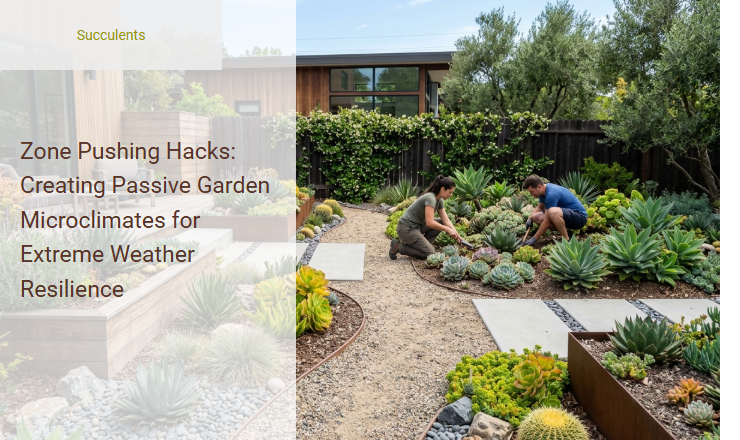
Watching prized, borderline-hardy plants wither under sudden frost or scorching heat waves is a deeply frustrating reality for ambitious growers. Traditionally, standard horticultural advice dictates that we must strictly obey regional hardiness zones, accepting geographical limitations as absolute.
However, mastering the art of microclimates grants you the power to bypass these rigid boundaries, unlocking the ability to cultivate marginal species previously thought impossible in your area. While passive zone-pushing cannot transform a sub-zero tundra into the tropics, it successfully buffers localized temperature extremes by several critical degrees.
By strategically deploying concrete elements like thermal mass stone walls, reflective water features, and dense evergreen windbreaks, you can measurably alter your site's ambient temperature. This article explores the precise science of passive microclimate design, detailing actionable, low-cost strategies to optimize solar gain, manage wind patterns, and build lasting resilience against unpredictable weather.
Read also: Shading Nets vs Frequent Misting for Heatwave Protection
Demystifying Zone Pushing: The Science of Passive Microclimates
For passionate horticulturists, the boundaries of the USDA hardiness zones are not rigid laws, but rather invitations to innovate. Zone pushing is the art and science of manipulating localized environmental conditions to cultivate plants that would otherwise perish in the regional climate. By understanding how thermodynamics, wind patterns, and solar radiation interact with the landscape, gardeners can create microclimates that mimic warmer zones.
This practice relies heavily on passive microclimate manipulation. Instead of relying on energy-intensive greenhouse heaters, zone pushers strategically place physical elements to trap heat, block freezing winds, and insulate fragile roots. Through these deliberate adjustments, a garden in Zone 6 can easily harbor Zone 7 or even Zone 8 specimens, expanding your planting palette and transforming what is possible in your backyard.
Mapping the Canvas: Identifying Your Garden's Existing Microclimates
Before introducing tender plants to your landscape, you must carefully assess the existing thermal patterns of your property. Every yard is a complex patchwork of microclimates shaped by topography, structures, and exposure. Mapping these variations allows you to place marginal plants in the positions where they are most likely to thrive.
To identify these sweet spots, conduct a thorough audit of your landscape focusing on several key environmental factors:
- Solar Radiation: Observe which areas receive unobstructed sunlight during the winter months, particularly during the late afternoon when the ground absorbs heat.
- Wind Patterns: Identify cold corridors where freezing winter winds whip through open spaces, accelerating moisture loss and tissue damage.
- Low Spots and Frost Pockets: Mark depressed areas where cold, heavy air naturally settles on quiet, clear nights, creating localized frost zones.
- Thermal Sinks: Locate existing brick walls, asphalt driveways, or concrete foundations that naturally absorb and store heat throughout the day.
Thermal Mass Magic: Harnessing Stone, Water, and Brick for Heat Retention
The Physics of Thermal Storage
Thermal mass refers to the ability of high-density materials to absorb, store, and slowly release heat energy. By strategically incorporating these materials into your garden design, you create a buffer against rapid temperature drops. During the day, incoming solar radiation warms these dense objects; as temperatures plunge after sunset, they slowly radiate that stored warmth back into the surrounding air and soil.
Strategic Placement of Heavy Materials
To maximize this effect, position stone walls, brick paths, and water barrels directly adjacent to your most sensitive plants. A south-facing brick wall acts as a massive radiator, keeping the air immediately in front of it several degrees warmer than the surrounding yard. Similarly, placing dark-colored water barrels on the north side of a plant reflects sunlight onto the foliage during the day and provides a steady release of heat throughout the coldest nights of winter.
Deflecting the Chill: Designing Living and Structural Windbreaks
Understanding the Threat of Winter Winds
Freezing winter winds are often more destructive to marginal plants than low temperatures alone. Wind accelerates desiccation by stripping moisture from evergreen leaves and woody stems while the frozen ground prevents roots from replenishing that water. Reducing wind velocity is therefore critical to lowering the local wind chill and protecting delicate plant tissues.
Constructing Multi-Layered Barriers
Effective windbreaks can be constructed using both living plants and hardscape structures to filter and redirect harsh currents.
- Evergreen Hedges: Planting dense conifers like arborvitae, yew, or juniper on the windward side of your garden deflects freezing gusts over your sensitive plantings.
- Permeable Fences: Solid walls can create turbulent air pockets on the leeward side. A semi-permeable wooden slat fence filters the wind, reducing its speed without creating damaging turbulence.
- Dense Multi-Tiered Plantings: Layering deciduous shrubs in front of taller evergreens creates a sloped barrier that lifts cold air up and away from your delicate understory specimens.
Earthworking for Warmth: Swales, Berms, and Hugelkultur Beds
Manipulating Air and Water Flow
Cold air behaves much like water; it is heavy, dense, and flows downhill to settle in the lowest available points. By altering the topography of your land through earthworking, you can consciously direct cold air currents away from your plants while trapping pockets of warm air around their root zones.
Sculpting the Landscape
Creating raised growing environments like berms and hugelkultur mounds elevates root systems above the low-lying cold air channels. As cold air drains off these slopes, it settles in adjacent basins or swales, leaving the elevated planting beds significantly warmer. Additionally, the decaying organic matter buried inside a hugelkultur bed acts as a slow-burning compost pile, releasing subtle underground warmth as it decomposes, which keeps the root zones of marginal plants insulated from deep freezes.
Liquid Thermostats: Utilizing Ponds and Water Features for Climate Buffering
The Unique Thermal Properties of Water
Water has an exceptionally high specific heat capacity, meaning it requires a significant amount of energy to change its temperature. This property makes water features incredibly efficient natural thermostats for the surrounding garden. By incorporating ponds, bogs, or reflecting pools, you can drastically reduce the severity of sudden temperature swings.
Positioning for Maximum Protection
Placing a backyard pond to the north or west of your delicate plants provides a dual benefit. The water surface reflects low-angle winter sunlight directly onto the plant foliage, maximizing solar gain. Throughout the evening, the deep reservoir of water slowly releases its accumulated warmth, creating a temperate micro-climate along its margins that prevents frost from forming on nearby leaves.
Subterranean Insulation: Advanced Mulching and Soil Strategies
While protecting a plant's canopy is important, safeguarding its root system is vital for survival. If the root zone freezes solid for an extended period, the plant cannot take up moisture, leading to winter death. Implementing advanced soil management techniques keeps the subterranean environment insulated and resilient.
To protect the root architecture of your zone-pushed plants, focus on maintaining a healthy, insulated soil structure:
- Deep Organic Mulches: Apply a thick layer of wood chips, straw, or shredded leaves around the base of the plant to trap geothermal heat and prevent deep ground freezing.
- Generous Compost Application: Incorporating rich compost improves soil structure and stimulates active microbial life, which naturally generates trace amounts of biological heat.
- Soil Aeration: Ensuring excellent drainage prevents water from pooling and freezing around roots, as waterlogged, frozen soil conducts cold much faster than aerated, organic-rich soil.
Aspect and Angles: Maximizing Solar Radiation on Slopes and Walls
Harnessing the Power of the Sun
The angle at which sunlight strikes the earth determines how much energy is absorbed. In the Northern Hemisphere, the low winter sun strikes south-facing surfaces at a more direct angle, concentrating solar energy and creating naturally warmer conditions. Understanding this geometry allows you to position your plants to capture maximum warmth during the shortest days of the year.
Creating Sun Traps and Radiant Zones
Utilizing south-facing slopes and radiant walls allows you to cultivate plants that require higher heat accumulation. By placing a tender plant against a south-facing masonry wall, you expose it to both direct solar radiation and the reflected heat bouncing off the surface. Surrounding the base of the plant with dark gravel further enhances this effect, forming a highly efficient sun trap that keeps the root zone thawed and active.
Micro-Structures: Cold Frames, Low Tunnels, and Cloches
Creating a Localized Greenhouse Effect
When passive landscaping techniques need an extra boost during extreme cold snaps, temporary micro-structures offer excellent localized protection. These structures trap solar radiation and prevent convective heat loss, shielding plants from the worst winter weather without the need for electrical heating systems.
Types of Passive Protection
Depending on the size of the plant and the severity of the weather, you can deploy several different temporary structures:
- Cold Frames: Simple wooden boxes with transparent glass or plastic lids that capture daytime heat and protect low-growing plants from heavy snow and frost.
- Low Tunnels: Flexible hoops covered with greenhouse plastic or heavy frost cloth, ideal for protecting rows of young or marginal plants.
- Glass Cloches: Traditional bell-shaped covers placed directly over individual plants to shield them from freezing winds and heavy frost.
Selection and Acclimation: Training Plants for Extreme Resilience
Successful zone pushing relies as much on the biological preparation of the plant as it does on physical microclimates. Selecting the right specimens and helping them adapt to their environment is essential for long-term survival. When sourcing plants that are marginal for your area, look for individual specimens grown from northern seed sources, as these often possess superior genetic cold tolerance compared to those propagated in warmer regions.
Before winter arrives, transition your plants through a careful hardening-off process. Gradually reduce watering and halt all nitrogen-heavy fertilization by late summer to discourage soft, tender new growth that is easily damaged by frost. Encouraging the plant to enter a deep, natural state of winter dormancy ensures that its internal sugars concentrate, acting as a natural antifreeze. By pairing these biological preparation methods with strategic passive microclimates, you can successfully defy the hardiness map and enjoy a diverse, thriving garden.
Summary
Zone Pushing Hacks: Creating Passive Garden Microclimates for Extreme Weather Resilience explores innovative, low-energy gardening strategies that allow growers to cultivate plants outside their traditional USDA hardiness zones. As climate instability and extreme weather events threaten food security, manipulating local environmental conditions is vital for long-term agricultural resilience.
The article details practical, passive design techniques, including leveraging thermal mass-using rocks, brick, or water features to store heat-and utilizing natural slopes and solar orientation to maximize sunlight. Additionally, it highlights the strategic use of windbreaks, living mulches, and canopy layers to shield sensitive crops from frost and harsh winds. By intentionally creating diverse microclimates within a single landscape, gardeners can buffer against extreme temperature swings and moisture loss, building highly adaptable, biodiverse ecosystems capable of thriving despite unpredictable climate shifts.
Leave a comment