
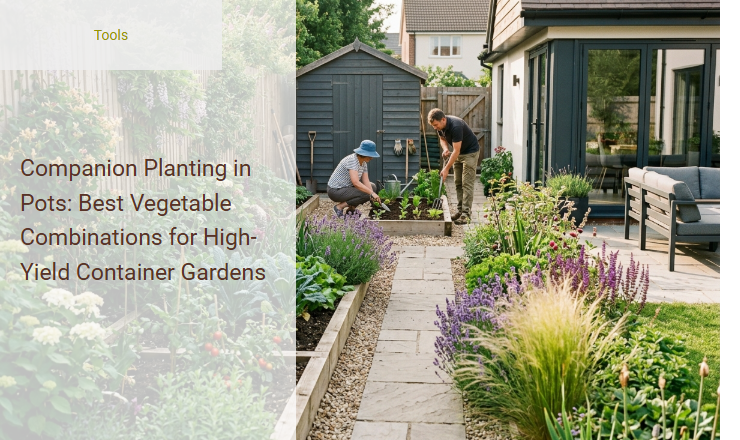
For urban and suburban growers, container gardening often brings the frustrating realities of stunted crops, rapid soil depletion, and devastating pest infestations in limited spaces. To overcome these barriers, we must first understand that a pot functions as a highly restricted micro-ecosystem where plants compete intensely for root space, water, and nutrients.
Embracing companion planting offers a powerful solution, granting container gardeners the ability to maximize every square inch of soil for unprecedented yields. However, success is not guaranteed by random pairing; it stipulates a careful alignment of moisture requirements, root depths, and growth rates. For example, planting deep-rooted, heavy-feeding tomatoes alongside shallow-rooted, pest-repelling basil-or pairing quick-harvest radishes with slow-maturing carrots-proves how spatial harmony dramatically boosts output.
In this article, we will detail the best vegetable combinations for pots, examine the science behind container companion planting, and provide actionable layouts to elevate your small-space harvest.
Read also: Soil Scoop vs Hand Trowel for Potting Plants
Introduction to Container Companion Planting
Container companion planting is the intentional practice of growing two or more mutually beneficial plant species together within the same pot. For urban gardeners facing space constraints, this method is a game-changer. By pairing plants that support each other's growth, you can maximize limited space and achieve a high-yield harvest from a single balcony or patio. This technique provides space-saving efficiency and natural pest control, turning small containers into highly productive ecosystems.
The Science Behind Small-Space Companion Planting
The success of growing multiple plants in a single pot relies on complex ecological interactions. Plants communicate and share resources beneath the soil surface through a system of chemical signals and microbial networks, establishing a beneficial symbiosis. Above ground, certain companion plants release pest-repellent volatiles-natural aromatic compounds that mask the scent of host plants, keeping destructive insects at bay. Spatial optimization ensures that plants with different growth habits occupy distinct vertical and horizontal zones, minimizing competition for sunlight and root space.
Selecting the Perfect Pots for Companion Planting
To successfully host a community of plants in one container, choosing the right pot is critical. Multiple root systems require ample room to spread without choking each other out, making depth and material selection paramount for a thriving garden.
- Container Depth: Choose pots that are at least 12 to 18 inches deep to accommodate differing root structures.
- Material Types: Use breathable terracotta or fabric pots for moisture regulation, or lightweight glazed ceramic and plastic to prevent rapid drying in sunny spots.
- Drainage Capabilities: Ensure the container has multiple, unobstructed drainage holes to prevent waterlogged soil and root rot.
- Volume Capacity: Opt for larger pots (5 to 15 gallons) to provide a stable buffer of soil nutrients and moisture for multiple hungry plants.
Tomato and Basil: The Ultimate Container Duo
Tomatoes and basil are the classic poster children for companion planting. When grown together in a shared container, basil acts as a natural shield, repelling pests like hornworms, thrips, and flies with its strong aromatic oils. Many gardeners also find that growing basil in the same soil improves the overall sweetness and flavor of the tomatoes. To support this vigorous duo, use a container that holds at least 10 gallons of soil, placing it in a spot that receives six to eight hours of direct sunlight daily.
Step-by-Step Planting Guide
Begin by planting a single determinate or dwarf indeterminate tomato variety directly in the center of your large pot. Gently plant two or three basil starts around the perimeter of the tomato, keeping them about 6 to 8 inches away from the main tomato stem. Water the pot thoroughly and apply a light layer of mulch to conserve soil moisture.
Carrots, Radishes, and Chives: The Underground Synergy
Grouping carrots, radishes, and chives together creates an efficient underground hierarchy that utilizes every inch of a deep container. Radishes grow quickly and are harvested early, naturally thinning the soil for the slower-maturing carrots. Different root depths ensure these root crops do not compete for space; radishes remain shallow, carrots grow deep, and chives form a compact, non-invasive root system. Additionally, the pungent scent of chives acts as a powerful deterrent, protecting the tender carrots from destructive root pests like the rust fly.
Peppers and Herbs: Spicy Pest-Resistant Pots
Bell and hot peppers thrive when paired with low-growing, spreading herbs like oregano, parsley, or sweet marjoram. These herbs act as a living mulch, covering the bare soil around the pepper plant to conserve moisture, prevent weed growth, and regulate soil temperature. Their volatile oils also construct a natural insect barrier, confusing pests that would otherwise target the pepper foliage and blossoms.
Pro-Tip: Ensure your herbs and peppers share similar soil moisture preferences. While peppers enjoy consistent, moderate watering, herbs like oregano prefer slightly drier conditions, so position the oregano near the edge of the pot where the soil dries out faster.
Lettuce, Spinach, and Bush Beans: The Shade and Nitrogen Team
This combination leverages the unique ability of bush beans to draw nitrogen from the air and convert it into a usable soil nutrient. This natural fertilization process feeds the heavy-feeding leafy greens like lettuce and spinach, encouraging lush, tender leaf growth. As the bush beans grow taller, their broad foliage casts a gentle, protective shade over the greens, shielding them from the harsh afternoon sun and preventing them from bolting too early in the season.
- Plant a row of bush beans in the center of a wide, rectangular planter to establish the main structural canopy.
- Sow lettuce and spinach seeds along the eastern and northern sides of the beans to maximize cool afternoon shade.
- Keep the soil consistently damp to support the shallow root systems of both the leafy greens and the bean plants.
Cucumbers and Dill: Vertical Growth and Pollinator Magnets
Cucumbers and dill are a natural match both in the kitchen and in the garden pot. Dill produces bright, umbrella-like flowers that attract beneficial predatory insects and essential pollinators, ensuring your cucumber blossoms get successfully fertilized to produce fruit. Dill also helps repel common pests like aphids and spider mites, keeping the cucumber vines healthy and productive.
Setting Up Your Vertical Trellis
To grow cucumbers vertically, insert a sturdy trellis or A-frame support into the back of a deep, heavy container before planting. Sow cucumber seeds near the base of the trellis so the climbing tendrils can naturally find the support as they grow. Plant dill around the front edges of the pot, allowing it to grow upright and bushy without blocking the sunlight needed by the climbing vines.
Soil, Watering, and Nutrient Management for High Yields
Because multiple plants in a single container are competing for a finite amount of resources, managing soil quality, moisture, and nutrients is critical for sustaining high yields. A premium organic potting mix amended with compost provides the perfect, well-draining foundation for your crowded container ecosystem.
- Check soil moisture daily by inserting your finger one inch into the soil; water thoroughly when the top layer feels dry.
- Apply a balanced, water-soluble organic fertilizer every two weeks to replenish nutrients washed away by regular watering.
- Top-dress the container soil with a fresh one-inch layer of organic compost mid-season to boost microbial activity.
Troubleshooting Common Container Companion Planting Issues
Even with careful planning, growing multiple plants in close quarters can occasionally lead to imbalances. Recognizing early signs of stress allows you to intervene before your harvest is compromised.
Managing Root Crowding: If you notice stunted growth or water draining instantly through the pot without soaking in, the roots may be overcrowded. Carefully prune the roots of the faster-growing companion or harvest quick crops like radishes early to free up valuable below-ground space.
Mitigating Resource Competition: If leaves begin to yellow, one plant may be monopolizing the available nutrients. Increase fertilizer application or prune back aggressive foliage to ensure sunlight reaches all partners equally.
Pruning Overgrown Companions: Aggressive herbs like oregano can easily smother slower-growing plants. Regular trimming keeps them in check, maintains airflow, and provides fresh kitchen herbs.
Summary
Unlock the full potential of limited spaces with the art of companion planting in pots, a game-changing strategy for high-yield container gardens. By carefully pairing compatible plants, you can naturally deter pests, improve soil health, and maximize your harvest in small spaces. This guide explores the ultimate vegetable combinations tailored specifically for container living.
Discover classic pairings like tomatoes and basil, which enhance flavor and repel harmful insects, as well as carrots and radishes, which efficiently share soil depth without competing for resources. Additionally, learn how leafy greens can thrive beneath the shade of taller climbing plants like beans or peas. Packed with practical advice on selecting the right container sizes, ensuring proper drainage, and managing nutrient requirements, this article empowers urban gardeners to cultivate a thriving, biodiverse oasis right on their patios or balconies.
Leave a comment