
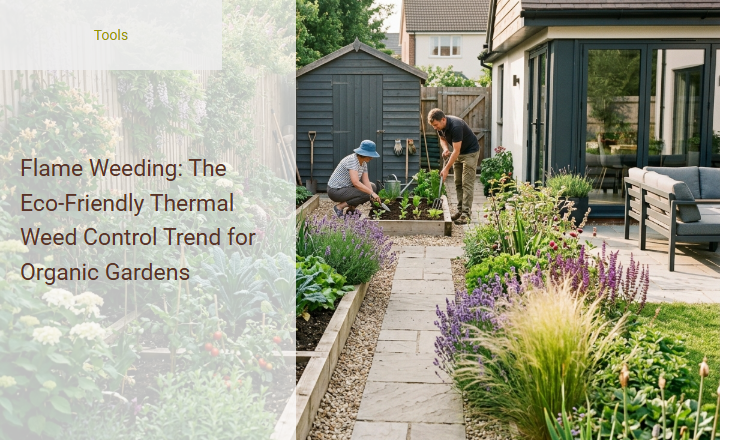
For organic gardeners, the endless cycle of hand-weeding is an exhausting, back-breaking chore that often feels like a losing battle against invasive species. While traditional hand-pulling and tilling offer temporary relief, these manual methods frequently disturb the soil structure, bringing dormant weed seeds to the surface and restarting the germination cycle.
Fortunately, thermal weed control-or flame weeding-offers a highly efficient, chemical-free alternative that destroys unwanted growth in seconds, sparing your joints while preserving vital soil ecology. It is important to stipulate, however, that this technique does not involve incinerating foliage to ash; rather, it applies targeted, brief heat to disrupt plant cells. This method is exceptionally effective at instantly wilting stubborn annuals like crabgrass and young dandelions.
In this guide, we will explore the science behind thermal weeding, essential safety protocols, and how to seamlessly integrate this eco-friendly trend into your seasonal garden maintenance routine.
Read also: Weed Torch vs Flame Weeder for Clearing Gravel
Introduction to Flame Weeding
Flame weeding is an innovative, non-chemical method of weed control that uses targeted, intense heat to destroy unwanted vegetation. In recent years, it has seen a massive rise in popularity among organic gardeners who seek to manage their plots without relying on synthetic chemicals. By eliminating the need for tedious manual weeding and avoiding soil disruption, this thermal technique has emerged as a true game-changer for sustainable horticulture.
The Science Behind Thermal Weed Control
Many people assume that thermal weeding requires burning plants to ashes, but the biological process is far more elegant. The goal of this technique is thermal cellular disruption, which occurs when intense heat is applied briefly to the leaves. This flash heating causes the water inside the plant cells to instantly boil, expanding rapidly and rupturing the cell walls. By disrupting this cellular structure, the plant can no longer transport nutrients or photosynthesize, leading to its rapid death. You can think of the process as executing a localized systemic thermal shock that cuts off the plant's life support instantly.
Why Flame Weeding is Eco-Friendly
Using heat instead of chemical herbicides provides immense ecological advantages. Traditional weed killers often linger in the environment, but thermal control ensures zero chemical runoff into local water systems. Furthermore, because the soil is not tilled or deeply disturbed, this method aids in soil conservation, keeping the underground ecosystem intact.
By avoiding synthetic chemical applications, gardeners preserve the natural biodiversity of their plots and protect vital pollinator pathways.
This clean approach is also exceptionally safe for beneficial insects like bees and ladybugs, as it leaves no toxic residues behind on the foliage or in the soil. Preserving these natural predators ensures your garden maintains its biological balance naturally.
Essential Tools for Flame Weeding
To get started with thermal weed control, you need a few specialized tools to ensure efficiency and safety. Investing in the right gear makes the process seamless and highly effective.
- Propane Torches: The primary tool that delivers a controlled, intense flame to target weeds.
- Backpack Cylinders: Portable propane tanks worn on the back to allow easy movement throughout large garden beds.
- Spark Lighters: Specifically designed flint strippers to safely ignite the torch burner without matches.
- Safety Gear: Heavy-duty gloves, closed-toe boots, and protective eyewear to shield against heat and stray embers.
Step-by-Step Guide to Effective Flaming
Executing thermal weed control successfully requires a methodical approach. Follow this chronological guide to safely clear your garden beds.
- Preparation: Clear the area of dry leaves, pine needles, or dry wood mulch that could easily ignite.
- Ignition: Connect your propane cylinder, check for leaks, and use a spark lighter to ignite the torch at a low setting.
- Execution: Sweep the flame slowly over the target weeds, holding the torch nozzle a few inches above the leaves for just a split second.
- Verification: Test your work by pressing a treated leaf between two fingers; if it leaves a dark green fingerprint, the cell walls have successfully ruptured.
Ideal Timing and Weather Conditions
Timing is everything when it comes to maximizing the efficacy of thermal weed control. The absolute best time to flame weed is in the early morning, around , when the dew has settled but the wind remains calm. Performing this task on windless days prevents the flame from shifting unpredictably, ensuring precise application and safety.
Additionally, performing this task when the soil is damp, such as during the damp spring season, increases heat conductivity and minimizes fire risks. Moist soil acts as a natural buffer, helping to trap the heat at the surface level where weed seeds and young seedlings reside.
Target Weeds: What Dies and What Survives
Not all weeds respond to thermal treatment in the same way. Understanding which species are susceptible allows for better strategic planning.
| Weed Category | Examples | Susceptibility |
|---|---|---|
| Broadleaf Annuals | Chickweed, Pigweed, Mustard | Highly Susceptible (usually dies in one treatment) |
| Perennials with Deep Taproots | Dandelion, Thistle, Bindweed | Resistant (requires multiple treatments to exhaust roots) |
Crucial Safety Precautions
While flame weeding is highly efficient, working with an open flame requires constant vigilance. It is absolutely vital to establish safety boundaries before you begin your session.
To ensure personal safety, always wear protective clothing made of natural fibers like cotton, and avoid synthetic materials that can melt when exposed to high heat. Never use the torch over dry mulch, pine straw, or near wooden fences, as these materials can harbor smoldering embers long after you have finished.
Impact on Soil Health and Microorganisms
A frequent concern among organic gardeners is whether the high heat of the torch damages beneficial underground biology. Fortunately, scientific assessments show that brief thermal exposure does not harm the deeper soil layers. Because the torch passes over the surface so quickly, the temperature spike is localized entirely to the top millimeter of soil.
The subterranean microbes, earthworms, and fungi remain completely unharmed. This makes thermal weeding vastly superior to soil-disrupting methods like deep tilling, which physically shatters soil structure and disrupts beneficial mycorrhizal networks.
Integrating Flame Weeding into Your Garden Routine
To achieve long-term success, integrate flame weeding into a holistic, organic garden maintenance schedule. Use the torch to prepare stale seedbeds in early spring before planting your crops. This technique clears emerging weeds without bringing buried weed seeds to the surface, significantly reducing future weed pressure.
By combining thermal control with organic mulching and hand-pulling for stubborn perennials, you can maintain a pristine, chemical-free garden. Making this a regular part of your preventative maintenance routine will save you hours of physical labor, keeping your soil healthy and your crops thriving season after season.
Summary
Flame weeding is emerging as a highly effective, eco-friendly thermal weed control method favored by organic gardeners. Instead of scorching plants to ashes, this technique applies a brief burst of intense heat-typically from a propane torch-to boil the water inside the weed's cells, causing them to burst. Deprived of the ability to photosynthesize, the weeds soon wither and die.
This chemical-free alternative offers numerous benefits: it eliminates toxic herbicide runoff, spares gardeners from backbreaking manual weeding, and avoids soil disturbance, which prevents dormant weed seeds from being turned up to the surface. While highly efficient on young annual weeds, it is less effective against deep-rooted perennials, which may require repeat applications. Since it involves open flames, operators must practice strict safety measures, especially during dry conditions. Overall, flame weeding represents a sustainable, innovative solution for maintaining pristine, chemical-free garden landscapes.
Leave a comment