
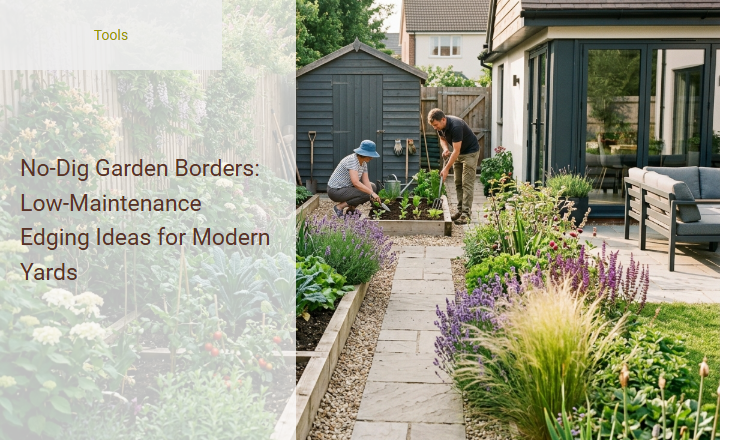
Keeping garden beds pristine often feels like a losing battle against encroaching turf, typically requiring hours of grueling trench-digging and back-breaking seasonal maintenance. While traditional landscape architecture dictates deep-cut soil barriers to define boundaries, modern homeowners rarely have the luxury of time or physical energy for such labor-intensive upkeep.
Fortunately, adopting a modern "no-dig" approach grants you immaculate, architecturally sharp borders while reclaiming your weekends. To ensure lasting success, we must establish one educational stipulation: while this method eliminates heavy excavation, it still requires proper surface clearing and strategic anchoring to prevent shifting.
By utilizing durable materials such as heavy-duty steel strips, interlocking stone pavers, or flexible composite coils, you can easily achieve a clean, high-end look. Ahead, we will analyze the best low-maintenance edging options, compare material lifespans, and provide step-by-step installation strategies for your contemporary yard.
Read also: Border Spade vs Digging Spade for Edging Beds
Introduction to No-Dig Garden Borders
Creating clean, defined boundaries in your yard no longer requires hours of backbreaking labor with a spade. No-dig garden borders are innovative landscaping solutions designed to sit directly on top of the soil or grass, eliminating the need for traditional trenching. By bypassing the digging phase, homeowners can establish crisp perimeters around flower beds, pathways, and lawns in a fraction of the time.
These modern edging systems have surged in popularity because they protect delicate plant root systems and preserve the natural structure of your soil. Instead of disrupting the earth and unearthing dormant weed seeds, no-dig borders sit securely on the surface, fastened by heavy-duty anchoring spikes. They offer an efficient, stylish, and highly accessible way to elevate your curb appeal with minimal physical exertion.
The Practical Benefits of No-Dig Edging
- Weed and Grass Prevention: By creating a solid physical barrier above the surface, these borders help block invasive grass roots and weeds from creeping into your manicured garden beds.
- Soil and Mulch Preservation: No-dig borders keep soil, mulch, and decorative gravel neatly contained, preventing erosion and runoff during heavy rainstorms.
- Unmatched Ease of Installation: Without trenches to measure and dig, setups require only basic tools like a rubber mallet and utility shears, making it a perfect weekend DIY project.
- Design Flexibility: Because they are not buried deep in the ground, these borders can be easily unanchored, repositioned, and configured to accommodate evolving landscape designs.
Sleek Metal Strips for a Minimalist Aesthetic
Industrial Steel Edging
Steel no-dig edging provides a robust, structural boundary that patinas beautifully over time or remains clean with galvanized coatings. Its incredibly thin profile allows it to blend seamlessly into the landscape while providing a rigid barrier that resists shifting and weathering.
Lightweight Aluminum Borders
Aluminum options offer outstanding durability without the weight of steel. Naturally rust-resistant and highly pliable, aluminum strips can be easily bent to shape pristine curves around trees and walkways, delivering a professional, architectural finish to any modern yard.
Eco-Friendly Recycled Plastic and Rubber Borders
For gardeners seeking a sustainable and highly cost-effective option, recycled plastic and rubber coiled borders are an excellent choice. Made from post-consumer materials, these borders divert waste from landfills while providing reliable, long-lasting performance in all weather conditions.
These flexible coils easily conform to organic, flowing garden shapes, allowing you to design winding pathways and freeform flower beds. Their natural elasticity absorbs impacts from lawnmowers and string trimmers without cracking, making them a safe and durable family-friendly edging option.
Natural Stone and Cobblestone Tension Borders
If you prefer an organic, earthy look, you can build a stunning border using heavy natural stones, river rocks, or cobblestones laid directly on the ground. By clearing a flat surface and laying down a heavy-duty weed-barrier fabric, you can arrange the stones in a continuous line, relying on gravity and friction to keep them locked securely in place.
Design Tip: Use stones of varying heights and textures to create a natural, hand-laid look, and pack pea gravel or moss into the small gaps between the larger rocks to enhance stability and block weed growth.
Woven Wattle and Willow for a Rustic Touch
Woven wattle, typically crafted from renewable willow or hazel branches, offers an enchanting, cottage-core aesthetic that harmonizes beautifully with nature. These low-profile hurdles are pre-woven into flexible panels that bring immediate texture and old-world charm to vegetable patches and herb gardens.
Installation is incredibly straightforward, requiring no digging whatsoever. The panels feature integrated wooden stakes that can be pushed or lightly tapped directly into the turf, instantly establishing an eco-friendly barrier that naturally decomposes over several years, enriching the surrounding soil.
Modern Brick and Paver Lay-on-Top Edges
Clay bricks and concrete pavers can be arranged flat on the ground to create a timeless, structured boundary. By laying down a thin, leveled layer of leveling sand over landscape fabric, you can place the bricks side-by-side. This weight-bearing layout creates a incredibly stable border that resists shifting underfoot.
One of the greatest advantages of this method is the creation of a "mowing strip." When bricks are laid flat and flush with the level of the lawn, the wheels of your lawnmower can glide directly over the top of the bricks, eliminating the need for tedious manual string trimming along the edge of the grass.
Durable Composite and Faux Wood Edging
Composite timber borders offer the warm, inviting appearance of real wood without any of the maintenance drawbacks. Engineered from a blend of wood fibers and recycled plastics, these borders are completely impervious to rot, splintering, wood-boring pests, and intense UV degradation.
These borders typically come in straight, interlocking planks or flexible faux-log rolls. They are secured to the ground using heavy-duty composite stakes or interlocking metal spikes that drive straight through pre-drilled holes, providing the structural look of raised wooden beds with minimal effort.
Step-by-Step Guide to Installing No-Dig Borders
- Clear the designated border path of any large rocks, roots, tall weeds, or loose debris to create a relatively flat surface.
- Lay down a narrow strip of heavy-duty landscape fabric along the border path to suppress weed growth underneath the edging.
- Position your chosen no-dig border directly on top of the fabric, bending it to match your desired landscape curves or straight lines.
- Insert heavy-duty anchoring spikes or stakes through the border's integrated tabs or slots.
- Drive the spikes firmly into the ground using a rubber mallet, ensuring the border sits flush against the soil surface.
- Backfill the garden side of the border with mulch, soil, or decorative stone to further stabilize the boundary and conceal the anchoring tabs.
Long-Term Maintenance and Care Tips
While no-dig borders require significantly less upkeep than trenched borders, routine checks will ensure they remain crisp and functional year after year. Seasonal weather shifts and soil movement can occasionally affect their alignment, but keeping them in top shape is quick and straightforward.
- Inspect the border every spring to identify any spikes that may have lifted due to winter ground freeze, tapping them back down with a mallet.
- Trim back any aggressive turf grass or weeds that attempt to climb over or creep under the barrier.
- Add a fresh layer of mulch or gravel along the inner edge annually to maintain weight stability and keep anchoring tabs completely covered.
- Wash down plastic, metal, or composite borders with a garden hose occasionally to remove mud and maintain their vibrant color.
Summary
Creating a polished, modern yard does not require hours of backbreaking labor. No-Dig Garden Borders: Low-Maintenance Edging Ideas for Modern Yards explores innovative, easy-to-install landscaping solutions that define garden beds without the need for deep trenching. The article highlights various durable materials suited for contemporary outdoor spaces, including sleek metal edging, eco-friendly composite borders, and classic stone pavers laid directly on the turf.
These no-dig alternatives not only save valuable time during installation but also effectively prevent invasive grass and weeds from encroaching on your flowerbeds. By choosing the right materials, homeowners can easily achieve clean, crisp lines that elevate their curb appeal with minimal effort. Whether you prefer the rustic charm of woven wattle or the ultra-minimalist look of steel, these low-maintenance border ideas offer a practical and stylish way to structure your modern garden.
Leave a comment