
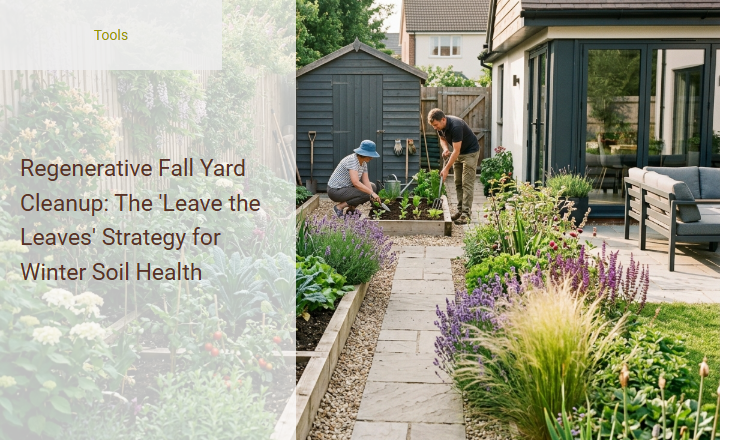
For many homeowners, the arrival of autumn triggers an exhausting, endless cycle of raking, bagging, and hauling away fallen leaves. While community standards historically dictated pristine, bare lawns, modern ecological science reveals that this obsessive tidiness actually strips the soil of vital nutrients just when it needs them most.
Transitioning to a regenerative "leave the leaves" strategy yields immediate dividends, offering a zero-cost method to insulate your garden beds, suppress weeds, and naturally fertilize your property over winter. However, successful execution requires a disciplined approach rather than passive neglect; for example, while thick, heavy oak leaves can smother delicate turf grass if left undisturbed, shredding maple leaves directly into garden borders preserves essential soil fungi and shelters overwintering beneficial insects.
In this guide, we will analyze the biological mechanics of leaf decomposition, outline practical zoning techniques for your yard, and provide a roadmap to balancing ecological health with neighborhood curb appeal.
Read also: Leaf Rake vs Bow Rake for Clearing Debris
Rethinking Fall Cleanup: Nature's Gold
For decades, autumn has been defined by the sound of leaf blowers and the sight of plastic bags lined up at the curb. However, a major ecological shift is underway as homeowners and gardeners trade the sterile aesthetic of pristine, raked lawns for regenerative "leave the leaves" practices. This modern movement recognizes that fallen leaves are not waste to be discarded, but rather nature's gold-a vital resource designed to protect and nourish the soil during the harsh winter months. By shifting our perspective, we can transform a tedious seasonal chore into an act of environmental stewardship.
The Nutrient Wealth Locked in Leaf Litter
Fallen leaves are packed with valuable organic matter that trees have spent all spring and summer drawing up from deep within the earth. As these leaves drop, they carry a rich biological and chemical composition that serves as a premium, slow-release fertilizer.
- Carbon: Provides the fundamental energy source for beneficial soil microbes.
- Nitrogen: Aids in the decomposition process and fuels future plant growth.
- Trace Minerals: Delivers essential micronutrients like calcium, magnesium, and potassium back to the topsoil.
When we remove this leaf litter, we disrupt a natural cycle, stripping the soil of its organic nutrients and forcing a reliance on synthetic alternatives.
Designing a Natural Winter Blanket for Soil
Just as we put on coats to shield ourselves from the cold, the earth relies on a layer of fallen leaves to insulate its upper crust. This organic blanket regulates ground temperatures, keeping the soil warmer during sudden cold snaps and preventing the damaging freeze-thaw cycles that can heave plants out of the ground. By maintaining a stable temperature, the leaf layer protects delicate root systems and keeps soil microbes active longer into the winter season.
Protecting the Overwintering Pollinators
Beyond soil health, leaf litter serves as a critical habitat for a vast array of beneficial wildlife. A tidy lawn often means a dead zone for the local food web, as many of our most valued insects rely on the protection of fallen leaves to survive the freezing temperatures.
"The vast majority of butterflies, moths, and solitary bees overwinter in the duff layer as eggs, larvae, pupae, or adults."
By leaving the leaves undisturbed, we provide a safe harbor for the very creatures that pollinate our gardens and control pests. Queen bumblebees, luna moths, and woolly bear caterpillars all find shelter beneath this protective canopy, ensuring a vibrant, buzzing ecosystem when warm weather returns.
Practical Strategies: Whole vs. Mulched Leaves
Embracing a ecological fall cleanup does not mean you have to abandon lawn care altogether. Understanding when to leave leaves whole versus when to shred them is key to maintaining a healthy balance.
- Whole Leaves: Best reserved for flower beds, beneath tree canopies, and dedicated wildlife zones where maximum insulation and habitat protection are needed.
- Mulched Leaves: Ideal for turf grass areas. Using a mulching mower shreds the leaves into tiny pieces that fall between the grass blades, accelerating decomposition.
- Application: Ensure mulched pieces are small enough to expose the grass tips to sunlight, preventing mold issues.
Using these targeted strategies allows you to feed your lawn while still preserving ecological habitats in designated zones.
Managing the Turf Grass Compromise
While leaves are highly beneficial for the soil, a thick, unbroken mat of wet leaves can suffocate traditional turf grass by blocking sunlight and trapping excessive moisture. To practice regenerative lawn care safely, you must manage leaf density. A good rule of thumb is that if you can see less than fifty percent of your grass through the leaf cover, it is time to take action. By lightly thinning the layer or shredding the leaves, you prevent fungal diseases while still delivering a nutrient-rich organic top-dressing directly to your lawn.
Revitalizing Garden Beds and Tree Root Zones
Instead of bagging excess leaves from your lawn, redistribute them to your garden beds and tree root zones where they can mimic a natural forest floor. Raking whole leaves directly into perennial beds provides an exceptional, free mulch that naturally suppresses cool-season weeds and retains soil moisture.
When mulching trees, be sure to keep the leaves a few inches away from the actual trunk to prevent moisture buildup against the bark, creating a ring of protection that feeds the tree's shallow feeder roots.
Harnessing the Power of Leaf Mold Composting
If you have an abundance of leaves, you can easily convert them into leaf mold-a highly prized, crumbly soil conditioner that acts like a sponge for moisture. Unlike traditional composting, which requires a balance of green and brown materials, leaf mold is created through a slow, cool fungal breakdown of leaves alone.
- Gather fallen leaves into a simple wire bin or a designated pile in a corner of your yard.
- Thoroughly moisten the pile to kickstart the fungal decomposition process.
- Let the pile sit for twelve to twenty-four months, turning occasionally if desired.
The resulting dark, earthy material can be worked into vegetable gardens or potted plants to dramatically improve soil structure.
Navigating Potential Disease and Wet Mats
While leaving the leaves is highly beneficial, improper management can occasionally lead to problems. Thick, heavy leaves like oak or maple can easily form soggy, oxygen-blocking mats if they become saturated with water. To prevent this, mix different leaf types together or lightly shred them to introduce air pockets into the layer.
Additionally, it is crucial to safely manage diseased foliage. If your trees suffered from powdery mildew, apple scab, or tar spot during the summer, remove those specific leaves from the yard rather than letting them overwinter, as pathogens can survive in the leaf litter and reinfect your plants next spring.
The Spring Reward of a Lazy Fall
Taking a relaxed approach to autumn yard work yields spectacular results once the winter snows melt. When spring arrives, you will find a transformed landscape featuring loose, crumbly soil teeming with earthworms and beneficial microbes. The thick layer of winter leaves will have partially decomposed, leaving behind a natural barrier that suppresses early-season weeds and reduces the need for supplemental watering. By stepping back and letting nature do the work, you welcome a healthier, more resilient, and boudlessly biodiverse garden that thrives on its own organic cycles.
Summary
The article "Regenerative Fall Yard Cleanup: The 'Leave the Leaves' Strategy for Winter Soil Health" advocates for a sustainable, low-maintenance approach to autumn garden care. Instead of bagging and discarding fallen foliage, this regenerative strategy encourages homeowners to utilize autumn leaves as a valuable, natural resource.
By leaving leaves on the ground, gardeners create a protective mulch layer that regulates soil temperature, retains moisture, and suppresses winter weeds. As these leaves decompose, they return vital nutrients and organic matter to the earth, nourishing the soil microbiome. Furthermore, leaf litter provides critical winter habitat for beneficial insects, pollinators, and local wildlife. Shifting away from meticulous raking to this ecological practice allows homeowners to boost local biodiversity, improve soil structure, and cultivate a more resilient, self-sustaining landscape for the upcoming spring.
Leave a comment