
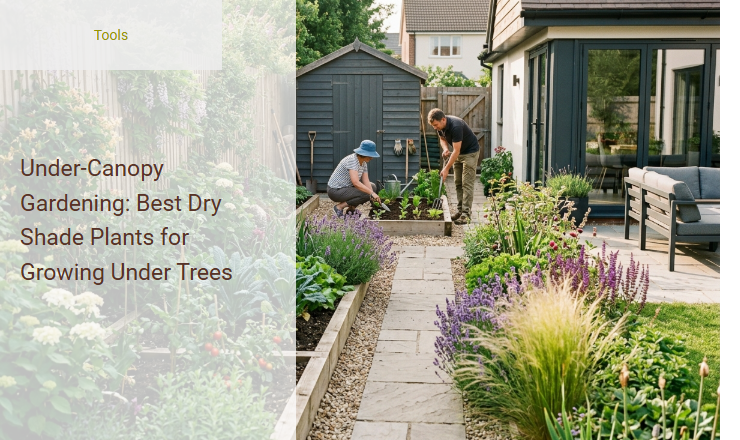
Gardening beneath mature trees is one of landscaping's most frustrating challenges. The combination of dense shade and thirsty tree roots often leaves the soil perpetually dry and depleted of nutrients, leaving homeowners struggling to grow even basic turfgrass in these barren zones.
To overcome this, we must first understand the unique microclimate created by a tree's canopy, which acts as an umbrella blocking rainfall while its root system aggressively monopolizes subterranean moisture. However, mastering this zone grants you the ability to transform these neglected eyesores into lush, textured understory tapestries that elevate your entire landscape.
Success requires a shift in expectation: you cannot alter the tree's appetite, so you must select species biologically adapted to competition. Tough, drought-tolerant performers like Epimedium (barrenwort) and resilient Helleborus prove that vibrant life can thrive in these challenging conditions.
In this guide, we will detail the best dry shade plants for under-canopy cultivation, essential soil-prep protocols, and critical establishment strategies to ensure your new garden flourishes.
Read also: Pruning Saw vs Pole Pruner for Tree Maintenance
Embracing the Challenge of Under-Canopy Gardening
Gardening beneath the protective boughs of mature trees offers a rare opportunity to cultivate a serene, woodland escape. However, this canvas comes with a demanding design obstacle known as dry shade. The majestic tree canopy acts as an umbrella, blocking essential rainfall, while the aggressive root system below relentlessly steals available moisture and nutrients from the soil.
What is Dry Shade and Why is it Difficult?
To garden successfully in these zones, one must understand the unique microclimate at play. Dry shade is primarily caused by rain shadows, which occur when dense overhead foliage intercepts precipitation before it ever reaches the ground. Furthermore, established tree roots create fierce underground competition, actively draining the soil profile of water and leaving very little sustenance for smaller companion plantings.
Preparing the Soil Without Harming Tree Roots
Improving the planting zone requires a delicate touch to avoid damaging the tree's vital feeder roots. Instead of heavy tilling, gently spread a shallow layer of organic compost over the surface and work it in with hand tools. Applying a rich layer of organic mulch will naturally improve soil structure over time without disrupting the underground network.
Low-Growing Groundcovers that Thrive in Dry Shade
Establishing a dense living carpet is an excellent way to suppress opportunistic weeds and retain soil moisture in difficult under-canopy environments.
Resilient Groundcover Varieties
- Epimedium (Barrenwort): Tough as nails, this plant thrives on dry slopes under trees and produces delicate, wing-like spring flowers.
- Vinca Minor (Periwinkle): Features glossy evergreen leaves and cheerful purple blooms, forming a dense mat that holds the soil.
Striking Foliage and Flowering Perennials
You do not have to sacrifice beautiful blooms and interesting foliage textures just because your garden sits in the shadow of a giant.
Top Perennial Performers
- Hellebores (Lenten Rose): Famous for their early spring blossoms, leathery evergreen leaves, and superb drought tolerance once established.
- Solomon's Seal: Offers elegant, arching stems adorned with dangling white bell flowers and clean, variegated foliage.
Adding Texture with Resilient Ferns and Grasses
Incorporating plants with varied structural forms helps capture filtered sunlight and brings visual movement to the forest floor.
Textural Companions
- Autumn Fern: Showcases copper-red young fronds that mature into a rich green, tolerating dry spells better than most ferns.
- Hakone Grass: Softens harsh root zones with its cascading, bamboo-like blades that sway beautifully in the slightest breeze.
Step-by-Step Guide to Planting Under Trees
- Locate open pockets between the major structural roots of the tree using a hand trowel.
- Dig small, individual holes just large enough to accommodate the root balls of your new plants.
- Settle the plants safely into the ground, ensuring the crown sits level with the surrounding soil.
Crucial Watering Strategies for Establishment
New additions to your under-canopy garden cannot immediately compete with mature tree roots. Direct, deep, targeted watering is absolutely essential during the first one to two growing seasons to help these young plants build their own deep root systems.
Maintenance and Mulching for Long-Term Success
Maintaining a healthy under-canopy environment requires a few mindful routines. Apply a fresh layer of organic wood chip mulch annually to conserve moisture, and allow fallen leaf litter to decompose naturally. Be extremely careful to keep soil and mulch from piling directly against the tree trunk, which can cause rot.
Transforming the Void into a Lush Retreat
Overcoming the difficulties of dry shade allows you to create a beautiful, layered woodland landscape in your own backyard. By selecting tough plants and nurturing them as they establish, you build a cohesive woodland ecosystem that turns a bare dirt void into a vibrant, thriving sanctuary.
Summary
Gardening beneath a tree canopy presents a notorious challenge: dry shade. In this environment, dominant tree roots aggressively compete for moisture and nutrients, while the dense overhead canopy blocks rainfall. Despite these difficult conditions, gardeners can create a lush, thriving landscape by selecting resilient, drought-tolerant shade plants.
The article highlights top plant recommendations that excel in dry shade, including hardy perennials like Epimediums (barrenwort), Hellebores (Lenten roses), and tough ferns. Excellent groundcovers such as sweet woodruff and liriope are also recommended for suppressing weeds and filling gaps. To set these plants up for success, the guide advises amending the soil carefully to avoid damaging tree roots, watering deeply during the initial establishment phase, and applying a healthy layer of mulch to conserve moisture. With the right selection and care, these challenging areas can be transformed into vibrant garden features.
Leave a comment