
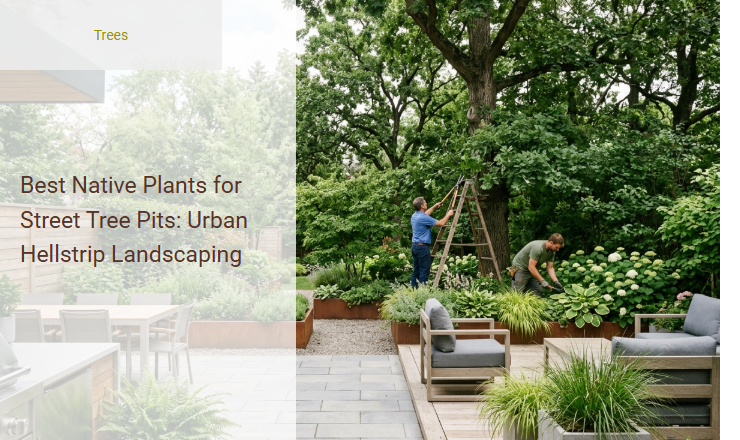
Cultivating a thriving garden in the narrow strip between the sidewalk and the curb-often rightly called the "hellstrip"-is one of urban gardening's most frustrating challenges. These compacted street tree pits endure relentless foot traffic, road salt, pet waste, and radiating pavement heat. Before selecting plants, it is crucial to recognize that these pockets function as highly stressed microclimates rather than typical backyard beds.
Yet, successfully reclaiming these margins grants your home immediate curb appeal while creating vital ecological corridors for local pollinators. This transformation requires a strict stipulation: selected species must be exceptionally drought-tolerant, salt-resistant, and adaptable to poor soil. Tough, deep-rooted regional survivors like Purple Lovegrass (Eragrostis spectabilis) and Purple Coneflower (Echinacea purpurea) offer the perfect blueprint for success.
Below, we outline the best native plants for urban hellstrips, essential soil preparation strategies, and practical tips to ensure your sidewalk garden thrives against the odds.
Read also: Ginkgo vs Honey Locust for Urban Environments
Introduction to Urban Hellstrip Landscaping
The narrow strip of land between the sidewalk and the street is often called the hellstrip, a term that perfectly captures the harsh, unforgiving nature of this small patch of earth. In dense urban areas, these spaces are formally known as street tree pits. Though traditionally ignored, concrete-bound, or left to sprout weeds, these tiny zones represent a massive opportunity for urban ecological restoration. Transforming a neglected tree pit into a thriving pocket garden brings life back to the pavement.
Using native plants to landscapes these challenging zones offers incredible advantages. By replacing bare, compacted dirt with resilient flora, we can improve soil health, mitigate stormwater runoff, and cool local pavement. Rather than viewing these spaces as eyesores, urban dwellers are discovering that thoughtful hellstrip landscaping can transform hostile concrete edges into vibrant, living micro-habitats.
Why Native Plants Are the Ultimate Choice
When selecting vegetation for the demanding sidewalk environment, non-native ornamentals often struggle to survive without heavy fertilizers and constant irrigation. Native species, on the other hand, have spent thousands of years adapting to local soil conditions, weather patterns, and pest populations, making them exceptionally durable candidates for urban cultivation.
- Deep Root Systems: Native plants develop extensive root networks that break up dense clay, stabilize soil, and access moisture deep below the pavement.
- Wildlife Support: These plants provide essential nectar, pollen, and seeds for local birds, butterflies, and native bees.
- Low Input Requirements: Once established, local flora thrives without synthetic chemical applications, keeping toxic runoff out of city storm drains.
- Drought and Heat Resilience: Indigenous species are naturally equipped to survive seasonal dry spells and regional temperature swings.
Understanding the Challenges of the Tree Pit Environment
Before introducing any flora to a sidewalk garden, it is crucial to recognize the hostile conditions of the urban tree pit. These spaces face a unique combination of biological and environmental stressors that standard garden beds never experience.
- Soil Compaction
- Heavy foot traffic from pedestrians and pets compresses the soil, squeezing out oxygen and making it incredibly difficult for roots to penetrate or breathe.
- De-icing Road Salt
- Winter road treatments wash directly into tree pits, raising soil salinity to toxic levels that can dehydrate and kill vulnerable root systems.
- Pet Waste
- High concentrations of dog urine and feces introduce excess nitrogen and salts, scorching plant foliage and damaging delicate soil biochemistry.
- Urban Heat Island Effect
- Concrete and asphalt absorb solar radiation, radiating intense heat back onto the plants and rapidly evaporating any available soil moisture.
- Limited Water Access
- Compacted soil surfaces shed water like concrete, preventing rain from penetrating down to the root zones of hungry plants.
Resilient Native Grasses and Sedges
Native ornamental grasses and sedges form the structural backbone of a successful sidewalk planting scheme. Their fibrous root systems knit the soil together, preventing erosion while adding graceful movement and year-round visual interest to the streetscape.
Little Bluestem (Schizachyrium scoparium)
This hardy, clump-forming bunchgrass thrives in poor, dry soils and full sun. In the spring and summer, it displays striking blue-green blades that transform into brilliant shades of bronze, orange, and copper after the first autumn frost. Its stiff, upright stems stand strong against wind and light snow.
Pennsylvania Sedge (Carex pensylvanica)
For tree pits that receive partial to full shade from mature tree canopies, this low-growing sedge is an ideal ground cover. It features delicate, arching, bright green foliage that creates a lush, lawn-like appearance without ever needing to be mowed. It is highly tolerant of dry shade and root competition.
Tough and Colorful Native Flowering Perennials
To inject vibrant color and seasonal beauty into the hellstrip, choose rugged native wildflowers. These species have evolved to withstand intense summer sun and depleted soils while pumping out blooms that support local pollinators.
"By planting deep-rooted, nectar-rich native perennials in our sidewalk pits, we create essential feeding stations that help sustain migrating butterflies and native bee populations navigating our concrete jungles."
Purple Coneflower (Echinacea purpurea) is a classic choice, boasting rigid stems and pink-purple petals that can handle intense heat and wind. Butterfly Weed (Asclepias tuberosa) features brilliant orange flowers that serve as a critical host plant for Monarch butterfly caterpillars, thriving in the driest, sandiest soils imaginable. Finally, Black-Eyed Susan (Rudbeckia hirta) offers a long-lasting golden display, bringing a cheerful prairie aesthetic to the edge of the asphalt from mid-summer through autumn.
Low-Growing Groundcovers for Foot Traffic
The outer edges of a sidewalk garden often bear the brunt of foot traffic as people step out of parked cars. Utilizing resilient, low-growing groundcovers protects the soil surface, suppresses opportunistic weeds, and retains precious moisture.
Wild Strawberry (Fragaria virginiana) is an outstanding choice for this role. This fast-spreading plant forms a dense green carpet that tolerates occasional stepping. It yields small, sweet berries for wildlife, and its foliage turns a rich crimson color in the fall.
Another excellent candidate is Creeping Phlox (Phlox subulata). This semi-evergreen species blankets the ground in a carpet of needle-like leaves, bursting into a sheet of vibrant purple, pink, or white blossoms in early spring. It excels at anchoring soil along sloping sidewalk edges and thrives in dry, sunny conditions.
Compact Native Shrubs for Larger Pits
In larger, wider street tree pits, small woody shrubs can add valuable height, architectural structure, and nesting habitat for songbirds. When planting shrubs, it is vital to respect local sightline regulations and choose species that naturally stay compact.
New Jersey Tea (Ceanothus americanus) is a tough, deciduous shrub that rarely exceeds three feet in height. It features glossy green leaves and delicate, cloud-like clusters of white flowers in mid-summer that attract a wide array of beneficial insects. It is exceptionally drought-tolerant and handles winter road salt remarkably well.
Lowbush Blueberry (Vaccinium angustifolium) is another fantastic option for acidic, sandy, or rocky soils. This low-slung woody plant offers year-round beauty, with white bell-shaped spring flowers, delicious summer berries, and blazing red autumn foliage. Keep a minimum planting distance of three feet away from the trunk of any existing street trees to avoid resource competition and physical damage to the tree bark.
Step-by-Step Soil Preparation without Damaging Tree Roots
Preparing the soil in a tree pit requires a gentle touch. Aggressive tilling or deep digging can sever the feeder roots of the established street tree, severely damaging or even killing the very tree you wish to frame.
- Locate the root flare: Ensure the area where the tree trunk widens at the base is free of soil and mulch. Never pile soil against the bark.
- Weed by hand: Gently pull up turf grass and invasive weeds. Avoid using heavy rototillers that rip through shallow tree roots.
- Aerate shallowly: Use a hand trowel or garden fork to gently loosen the top two inches of compacted soil, taking care not to pry up any woody tree roots.
- Add compost: Lay down a thin layer of organic compost (no more than one inch deep) to introduce beneficial microbes and nutrients to the surface layer.
- Position your plants: Arrange your native plants in between the large, radiating structural roots of the tree, digging small, individual planting holes just large enough to accommodate each root ball.
Urban Maintenance and Watering Strategies
While native plants are incredibly self-sufficient once their root systems mature, they require a little extra support during their first growing season to survive the harsh realities of the urban environment.
During the first year, give your new plants a deep soaking once or twice a week to encourage deep rooting. Regular litter removal is also critical; trash left to sit in the pit can smother young plants and block sunlight. Adding a simple, low-profile decorative metal guard rail around the perimeter of the pit can dramatically reduce soil compaction by discouraging pedestrians and dogs from trampling the fresh plantings.
Creating a Green Corridor: Community and Ecological Impact
Transforming a single street tree pit may seem like a small drop in the bucket, but the collective impact of these miniature gardens is profound. When neighbors join forces to plant contiguous hellstrips along a street, they weave a vital habitat corridor through the hard landscape. These pathways allow birds, butterflies, and bees to navigate safely between larger urban parks and suburban green spaces.
Beyond the undeniable ecological benefits, hellstrip gardening fosters a deep sense of community stewardship and pride. These small pockets of greenery soften the hard lines of the city, spark pleasant conversations between passing neighbors, and prove that even the most overlooked corners of our cities can be coaxed into magnificent, life-supporting bloom. Let us reclaim the pavement and plant a greener, more resilient future today.
Summary
Urban "hellstrips"—the narrow, neglected soil beds surrounding street trees—present some of the most challenging conditions for plant life, characterized by compacted soil, road salt, extreme heat, pet waste, and severe drought. This article explores how to successfully transform these harsh spaces into thriving ecological havens using resilient native plants. By selecting tough, salt-tolerant, and drought-resistant native species, urban gardeners can support local biodiversity, improve soil health, and enhance neighborhood aesthetics without competing with established tree roots. The guide highlights top-performing native perennials, durable ornamental grasses, and low-growing groundcovers capable of surviving compacted, nutrient-poor soils. Ultimately, integrating native plants into street tree pits turns neglected concrete margins into vibrant, low-maintenance micro-habitats that manage stormwater, cool urban corridors, and provide vital resources for local pollinators and urban wildlife.
Leave a comment