
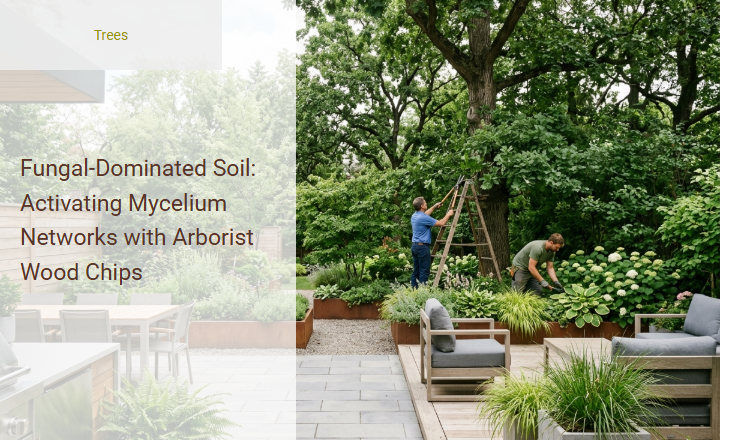
Many growers struggle to transition degraded, bacteria-heavy dirt into rich, resilient soil, often watching expensive plantings fail due to a lack of root-zone vitality. In undisturbed forest ecosystems, nature solves this through a complex subterranean web. Activating these native mycelium networks grants your soil unparalleled structural integrity and a self-regulating nutrient delivery system.
However, establishing a fungal-dominated rhizosphere requires more than simply burying organic waste; it demands the precise introduction of arborist wood chips to feed beneficial saprophytic fungi while suppressing opportunistic pathogens. When managed correctly, this intervention yields visible proof, converting dry dirt into moisture-retentive, mycorrhizae-rich humus.
This article will detail the science of fungal succession, explain why arborist chips outperform commercial mulches, and provide a step-by-step strategy to jumpstart your soil's underground network.
Read also: Organic vs Synthetic Mulch for Weed Control
Introduction to Fungal-Dominated Soil
Fungal-dominated soil represents a highly evolved underground ecosystem where beneficial fungi, rather than bacteria, drive biological activity. In these advanced soil food webs, massive networks of microscopic fungal threads break down complex organic materials, creating a stable and highly structured subterranean environment. While bacterial-dominated soils are common in highly disturbed areas or early successional landscapes like annual vegetable gardens, fungal-dominated soils are characteristic of mature, stable ecosystems such as old-growth forests. Shifting your garden soil toward a fungal-dominated state is essential for supporting perennial plants, fruit trees, and complex woody shrubs.
Understanding this biological shift is critical for any grower looking to build long-term fertility. Fungal-dominated soil naturally improves structure, enhances water retention, and builds long-lasting organic matter that simple bacterial activity cannot replicate. By cultivating a subterranean landscape where fungi thrive, gardeners unlock a self-sustaining system that mimics nature's most productive and resilient forest floors.
The Wood-Wide Web: Understanding Mycelium Networks
Beneath the soil surface lies a vast, interconnected web of cellular threads known as mycelium. Often referred to as the biological internet of the earth, this subterranean infrastructure links individual plants together into a singular, communicative community. Mycelium functions as a highly sophisticated resource-sharing highway, actively transporting essential nutrients, hydration, and vital biochemical messages across vast distances. When a plant in one area of the garden is deficient in moisture or phosphorus, the fungal network can reroute these resources from a plant with a surplus, balancing the entire system's health.
The fungal network operates as a decentralized intelligence, allowing plants to communicate threats, share food resources, and defend their neighbors from impending pest attacks through chemical signals sent directly through the hyphal pathways.
This intricate relationship transforms how we view plant health. Instead of viewing plants as isolated competitors, we must recognize them as cooperative participants in a shared ecological economy, sustained entirely by the underground fungal transport system.
Why Arborist Wood Chips are the Ultimate Catalyst
To cultivate a thriving fungal environment, you need a food source that specifically targets fungal decomposers rather than bacteria. Plain, processed mulches or dyed wood products often lack the structural and biological diversity required to stimulate fungal growth. Fresh, raw arborist wood chips, however, offer the perfect, complex matrix of organic matter needed to jumpstart mycelial colonization.
The Power of Biological Diversity in Raw Wood
Arborist wood chips are fundamentally different from commercially bagged wood mulch due to their composition. Because they are the byproduct of whole-tree pruning and removal, they contain a diverse array of organic components:
- A mix of diverse tree species, combining both softwoods and hardwoods, which prevents mono-cultures of microorganisms and invites a wider variety of beneficial fungal strains.
- Crushed and shredded bark, which contains highly complex lignin and natural protective compounds that require specialized fungal enzymes to decompose.
- Fresh green leaves and twigs, which introduce a targeted dose of nitrogen, moisture, and beneficial enzymes directly into the carbon-rich woody mass.
This dynamic mixture mimics the natural debris that falls onto a forest floor, providing a balanced, slow-release buffet that keeps fungi actively growing for years.
Deciphering the Carbon-to-Nitrogen Ratio
Soil microbiology is heavily dictated by the balance of chemical elements available in the organic material applied to the surface. The carbon-to-nitrogen ratio, or C:N ratio, acts as a biological selector switch. Bacteria thrive on simple sugars and easily accessible nitrogen found in materials with low C:N ratios, such as fresh grass clippings or manure. When these low-carbon materials dominate, bacterial populations explode, rapidly consuming nutrients and leaving little opportunity for slower-growing fungi to establish.
Introducing high-carbon materials like arborist wood chips, which often possess a C:N ratio of 100:1 or higher, completely shifts the subterranean dynamic. This exceptionally high carbon ratio suppresses rapid bacterial surges while actively stimulating fungal decomposers. Fungi are uniquely equipped with specialized, heavy-duty enzymes capable of breaking down the tough, complex lignin and cellulose molecules found in wood, allowing them to slowly colonize and dominate the soil ecosystem over time.
Sourcing and Selecting the Right Wood Chips
Acquiring the ideal material for your fungal bed requires communicating with local tree service professionals. Unlike commercial garden centers, tree trimmers are often eager to dump their fresh wood chips for free or at a very low cost, as it saves them disposal fees at local landfills.
- Contact local arborist crews directly or use online community registries that connect homeowners with tree trimming services operating in their immediate neighborhood.
- Request a diverse mix of deciduous hardwood species such as maple, oak, alder, or birch, as these wood types decompose into rich, stable, fungal-friendly humus.
- Explicitly request that the load contain minimal amounts of allelopathic tree species like black walnut, tree of heaven, or eucalyptus, which contain natural chemicals that inhibit plant growth and slow down microbial colonization.
- Ensure the chips are fresh and have not been stored in anaerobic, foul-smelling piles for long periods, which can encourage the growth of harmful pathogens instead of beneficial mycelium.
Step-by-Step Application for Mycelial Activation
To successfully activate and establish a fungal-dominated soil ecosystem, you must apply the wood chips using a methodical layering approach that mimics the forest floor.
- Clear the target area of aggressive weeds, leaving existing soil life undisturbed to preserve any native fungal spores already present.
- Apply a thin layer of compost or organic nitrogen fertilizer directly over the bare soil to provide an initial energy source for the fungi as they transition to the wood.
- Spread the arborist wood chips evenly across the prepared ground to a depth of four to six inches, creating a thick blanket that insulates the soil surface.
- Saturate the newly spread wood chips thoroughly with water, ensuring the moisture penetrates deep through the chips down to the underlying soil interface.
Managing Moisture and the Microclimate
Mycelium is highly sensitive to environmental exposure. It requires a stable, humid, and dark microclimate to spread and function efficiently. Exposure to direct sunlight and dry air will quickly dehydrate and kill off delicate fungal hyphae, halting the colonization process entirely.
The Insulation Effect of Deep Mulch
By maintaining a deep, continuous layer of wood chips, you create a protective barrier that traps moisture rising from the earth while shielding the soil from the sun's drying rays. This layer acts as a physical sponge, absorbing rainwater and releasing it slowly into the root zone below. Regular monitoring is essential; checking the moisture levels beneath the top inch of wood chips ensures the fungal highway remains damp and active throughout the dry seasons.
Identifying Signs of Active Mycelial Colonization
After several weeks or months, you can easily monitor the progress of your fungal-dominated system by gently peeling back the top layers of wood chips to observe the biological activity underneath.
- White Hyphal Threads: Look for fine, web-like white threads weaving through the damp wood chips, indicating the early stages of fungal colonization.
- Thick Rhizomorphs: Look for thicker, root-like fungal strands that actively transport water and nutrients across large distances within the mulch bed.
- Beneficial Fruiting Bodies: Watch for mushrooms popping up through the mulch surface, which signal that the underground fungal network is mature, healthy, and reproducing.
- Sweet, Earthy Aroma: Take note of the fragrance; a healthy, active fungal colony produces a distinct forest-floor smell rather than sour or rotten odors.
The Symbiotic Synergy: How Plants and Fungi Connect
Once the fungal network is established, a remarkable partnership develops between the subterranean mycelium and the roots of your plants. This connection is not parasitic; rather, it is a highly evolved, mutualistic relationship where both organisms flourish. Mycorrhizal fungi physically attach to or penetrate plant roots, effectively multiplying the root surface area by hundreds of times. In exchange for surplus sugars produced by the plant through photosynthesis, the fungi deliver hard-to-reach water and vital nutrients like phosphorus, copper, and zinc from deep within the soil profile.
Beyond simple nutrient exchange, this symbiotic alliance provides a powerful defense system for your garden. The physical presence of beneficial mycelium around plant roots forms a protective shield that deters harmful pests and soil-borne pathogens. Additionally, the fungal network stimulates the plant's own systemic defense mechanisms, boosting overall resilience against extreme weather, drought, and disease outbreaks.
Long-Term Maintenance: Sustaining Fungal Dominance
Maintaining a thriving fungal community requires a shift in how we manage our soil over time. Unlike bacterial systems that can bounce back quickly after intensive digging, fungal networks are fragile physical structures that are easily destroyed by physical disruption. Implementing a strict no-till philosophy is the single most important step in protecting these delicate underground pathways from tearing and collapsing.
To preserve the integrity of the soil food web, avoid rototilling, excessive digging, or turning the soil, allowing the established fungal network to remain intact and functional year after year.
Over time, the wood chips will slowly decompose into rich, dark humus. To keep the fungi fed and active, simply top off the mulch layer with one to two inches of fresh arborist wood chips every autumn. This continuous addition of carbon mimics the natural leaf drop of a forest, ensuring your fungal-dominated soil remains self-sustaining, fertile, and resilient for many seasons to come.
Summary
The article "Fungal-Dominated Soil: Activating Mycelium Networks with Arborist Wood Chips" explores the transformative power of using woody organic matter to cultivate resilient, biologically active garden ecosystems. By utilizing arborist wood chips as mulch, gardeners can replicate the natural forest floor. These carbon-rich materials serve as the primary food source and habitat for beneficial fungi, which rapidly colonize the chips to build vast underground mycelial networks.
These mycelium networks act as a vital transport system, delivering water, essential nutrients, and minerals directly to plant roots. Transitioning from bacteria-heavy soil to a fungal-dominated system significantly improves soil structure, enhances moisture retention, and naturally suppresses harmful pathogens. Ultimately, applying arborist wood chips is a highly sustainable, cost-effective method to regenerate depleted soils, boost plant health, and foster a thriving, self-sustaining soil food web.
Leave a comment