
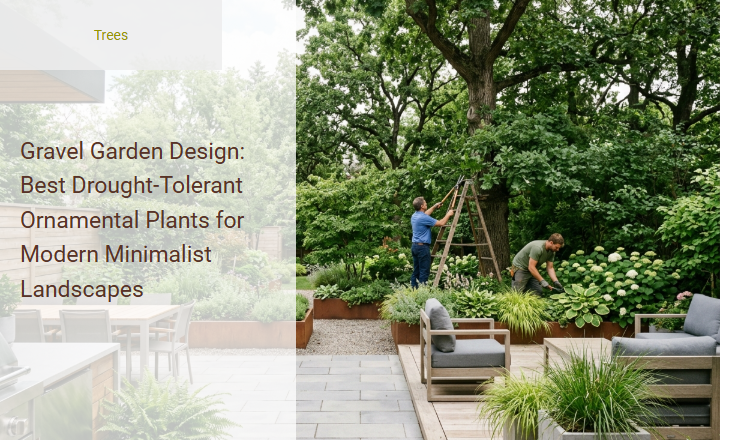
Maintaining a lush, green lawn in the face of escalating water restrictions and unpredictable droughts has become an exhausting, costly battle for modern homeowners. To resolve this, contemporary landscape architecture is shifting toward sustainable xeriscaping, where gravel serves as both a functional moisture barrier and a sleek design canvas.
Embracing a gravel garden design grants you a striking, minimalist aesthetic that drastically reduces water consumption while elevating architectural curb appeal. However, successful execution requires more than scattering stones; it demands a strategic understanding of soil preparation and drainage. Integrating highly resilient species like Lavandula (Lavender), Festuca glauca (Blue Fescue), and architectural Sedum proves that water-wise choices can deliver stunning texture and form.
In this guide, we will outline the essential principles of gravel bed preparation and detail the top drought-tolerant ornamental plants to elevate your minimalist landscape.
Read also: Crabapple vs Cherry Blossom for Ornamental Gardens
Embracing Modern Minimalism with Gravel Gardens
In an era of increasing water scarcity, modern landscape design is undergoing a significant evolution. Homeowners and designers alike are turning toward minimalist gravel gardens, a style that masterfully blends ecological responsibility with striking, clean aesthetics. Far from being a barren wasteland, a well-conceived gravel garden serves as a canvas of organic simplicity. In these spaces, gravel transcends its traditional role. Instead of merely filling space, it acts as a highly functional, moisture-retaining mulch and a powerful design element that unifies the entire landscape. Choosing gravel allows for a sleek, cohesive texture that highlights the individual beauty of each carefully selected plant. Embracing this design philosophy transforms your garden into a sustainable work of art.
Environmental and Aesthetic Benefits of Low-Water Landscaping
Transitioning to a drought-tolerant gravel garden offers profound ecological advantages. By drastically reducing the need for supplemental irrigation, these low-water landscapes conserve precious freshwater resources and eliminate the high maintenance demands of traditional turf lawns. Gone are the days of constant mowing, fertilizing, and heavy watering. Instead, the inherent simplicity of a gravel-based design provides a clean, calming visual appeal that promotes relaxation and mindfulness. The soft, neutral tones of the stone create a serene backdrop that makes the surrounding greenery pop. In a world filled with constant digital noise, these quiet, minimalist outdoor spaces offer a tranquil retreat that supports both regional biodiversity and personal well-being.
Core Principles of Minimalist Garden Design
To successfully execute a minimalist aesthetic, one must adhere to a few foundational rules of landscape design. This style relies on restraint, intentionality, and a deep appreciation for form over sheer quantity.
- Negative Space: Allowing empty gravel areas to breathe is essential, giving the eyes a place to rest and highlighting individual elements.
- Limited Color Palettes: Stick to a curated selection of muted tones, such as greens, silvers, and earth-toned gravels, to maintain visual harmony.
- Textural Contrast: Juxtapose coarse stone textures against soft foliage or smooth, structural plant leaves to add depth.
- Structural Focal Points: Position a few specimen plants or unique boulders strategically to anchor the visual composition.
Architectural Agaves and Bold Yuccas
Sculptural Focal Points in Gravel Design
Integrating bold, structural specimens is essential for giving a minimalist gravel garden its sense of permanence and scale. Among the most reliable choices are Agave americana and Yucca filamentosa. These species feature dramatic, clean-edged silhouettes that contrast sharply with the soft, fine texture of the surrounding gravel. Their architectural forms act as living sculptures, anchoring the landscape and drawing the eye to key focal points.

Ornamental Grasses for Movement and Texture
Softening Rigid Stonework with Dynamic Foliage
To prevent a minimalist landscape from feeling sterile, introducing elements of motion is crucial. Drought-tolerant ornamental grasses such as Blue Fescue (Festuca glauca) and Mexican Feather Grass (Nassella tenuissima) are ideal for this purpose. Their delicate, hair-like blades sway gently in the breeze, providing a beautiful kinetic contrast to the static, rigid nature of gravel and stone beds. These grasses soften the landscape's hard edges while adding rich, sensory depth.
Resilient Groundcovers and Hardy Succulents
Low-Profile Carpeting for Stone Pathways
Low-growing, drought-resistant plants are perfect for softening the transition between pathways and planting beds. Hardy succulents and groundcovers easily establish themselves in the spaces between larger rocks and gravel, creating a naturalized look.
- Sedum (Stonecrop) offers colorful, fleshy leaves and tiny star-shaped flowers that spread gently over gravel borders.
- Sempervivum (Hens and Chicks) forms tight, geometric rosettes that nestle beautifully into gravel crevices.
Adding Subtle Color with Tough Perennials
Curated Blooms for a Sophisticated Palette
A minimalist garden does not have to be entirely green and gray. Highly resilient, drought-tolerant perennials can introduce delicate washes of color without overwhelming the clean, restrained design. Lavender brings calming purples and aromatic benefits, while Russian Sage offers airy, lavender-blue plumes that blend seamlessly into the background. Additionally, the flat-topped flower clusters of Yarrow provide soft yellow or pastel tones that complement the neutral gravel matrix beautifully.
Choosing the Right Gravel and Preparing the Substrate
The foundation of any successful gravel garden lies in selecting the appropriate stone material and preparing the ground beneath it. Standard choices like pea gravel offer a smooth, rounded texture comfortable for walking, while decomposed granite packs down to create a highly stable, natural-looking surface. Proper soil preparation is equally critical, requiring a lean, fast-draining substrate to prevent water pooling and root rot in drought-tolerant species.
Planting Techniques for Gravel Mediums
Planting directly into a gravel and soil matrix requires a slightly different approach than traditional gardening. This method ensures that the plant roots can access nutrients in the underlying soil while enjoying the excellent drainage provided by the gravel mulch above.
- Clear away the top layer of gravel from the designated planting spot to expose the soil below.
- Dig a planting hole twice as wide as the root ball, enriching the soil with coarse sand or grit to boost drainage if necessary.
- Place the specimen in the hole, ensuring the crown sits slightly above the surrounding soil level to prevent moisture build-up.
- Backfill with the soil mixture, firming it gently around the roots, and water deeply to settle the soil.
- Push the gravel back around the base of the plant, creating a clean, seamless stone cover.
Sustainable Maintenance for a Pristine Look
While gravel gardens require far less attention than traditional landscapes, keeping them looking immaculate still demands some intentional care. Regular maintenance tasks include pulling the occasional opportunistic weed that manages to sprout in the gravel layer, as well as clearing away fallen leaves and organic debris with a blower or rake to prevent soil formation. Occasional pruning of spent flower heads and dead foliage keeps structural plants looking sharp and clean. By dedicating just a few minutes each month to these simple tasks, your minimalist sanctuary will remain a pristine, sustainable haven for years to come.
Summary
This article provides a comprehensive guide to gravel garden design, showcasing how to create stunning, sustainable, and minimalist outdoor spaces using drought-tolerant ornamental plants. As water conservation becomes increasingly essential, gravel gardening offers an eco-friendly and low-maintenance alternative to traditional high-water lawns. The piece highlights a curated selection of resilient plants-such as structural agaves, aromatic lavender, and wispy ornamental grasses-that thrive in well-drained soil and arid conditions.
Additionally, the guide delves into key design principles, explaining how to use contrasting textures, muted color palettes, and various gravel sizes to achieve a clean, modern aesthetic. Perfect for both novice gardeners and professional landscapers, this article demonstrates that water-wise gardening can be incredibly stylish, functional, and visually striking throughout the changing seasons.
Leave a comment