
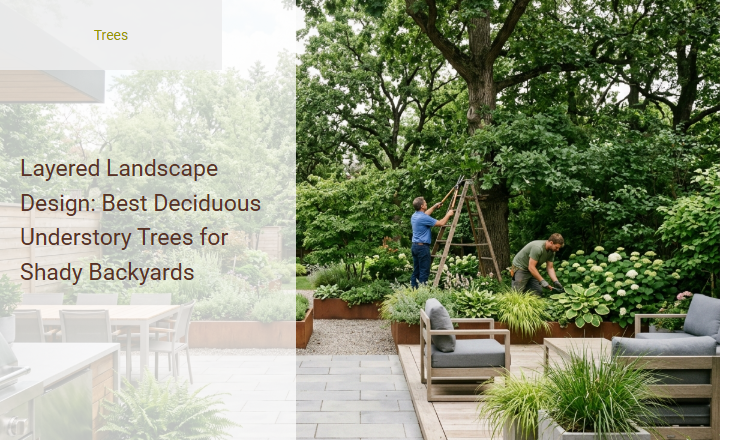
Many homeowners struggle to bring life to heavily shaded backyards, often watching their landscapes dissolve into a flat, monotonous expanse of turf and overgrown shrubs. To solve this, we must first look to natural woodland ecosystems, where plants thrive in distinct, vertical tiers rather than a single, flat plane.
Designing with this layered approach grants your garden immediate visual depth and captivating seasonal color transitions. However, long-term success stipulates a clear understanding of your yard's specific microclimate, as shade ranges from dappled sunlight to dense canopy cover. Integrating adaptable deciduous understory specimens-such as the elegant Pagoda Dogwood (Cornus alternifolia) or select Japanese Maples-proves that limited sunlight can still support a vibrant, multi-dimensional ecosystem.
Below, we will examine the premier deciduous understory trees for shaded landscapes, detailing their growth habits, soil preferences, and strategic placement to help you curate a sophisticated, layered backyard retreat.
Read also: Dogwood vs Redbud for Spring Blooms
Introduction to Layered Shade Gardens
Creating a lush, multi-dimensional retreat in a shady backyard requires looking beyond flat, single-level plantings. A layered landscape design mimics the natural structure of a forest, organizing plants by height to maximize visual interest and ecological health. At the heart of this design are understory trees, which are smaller species adapted to grow beneath the forest canopy. These trees bridge the crucial gap between towering canopy trees and ground-level shrubs, bringing balance, texture, and depth to otherwise overlooked spaces.
Why Choose Deciduous Understory Trees?
Deciduous understory trees offer unique ecological and aesthetic advantages that evergreen options cannot match. Because they shed their leaves annually, they participate dynamically in the changing seasons, transforming the look and feel of your backyard throughout the year.
- Seasonal Light Filtration: In spring and winter, bare branches allow valuable sunlight to reach the forest floor, warming the soil for early blooms. In summer, their leafy canopies provide cool, dappled shade.
- Dynamic Color Changes: From fresh pastel buds in spring to fiery hues in autumn, these trees offer a shifting palette of colors.
- Wildlife Habitat and Sustenance: Their flowers feed early pollinators, while their branches offer nesting sites and autumn berries sustain local birds.
Elegant Japanese Maples for Dappled Light
The Artistry of Acer Palmatum
The Japanese Maple stands out as a premier understory selection for modern gardens. Renowned for its delicate, lace-like foliage and compact growth habit, this tree brings architectural elegance to smaller, shady yards. In autumn, the leaves erupt into brilliant shades of crimson, orange, and gold, creating a breathtaking focal point. To prevent leaf scorch, position these trees in partial shade where they can bathe in filtered morning light while remaining protected from the harsh afternoon sun.
Vibrant Eastern Redbuds for Early Spring Color
Early Pollinator Support with Cercis Canadensis
The Eastern Redbud is one of the first trees to signal the arrival of spring. Before its distinctive heart-shaped leaves emerge, clusters of vibrant magenta blooms erupt directly from the branches. These early flowers offer essential nectar to native bees and other pollinators waking from hibernation. Exceptionally shade-tolerant, the Eastern Redbud thrives happily in the understory layer, growing comfortably beneath the shelter of much larger canopy trees.
Classic Flowering Dogwoods for Multi-Season Appeal
Year-Round Grace of Cornus Florida
The Flowering Dogwood is a timeless favorite, offering unmatched interest through all four seasons. In spring, the tree is smothered in showy white or pink bracts that mimic delicate blossoms. Throughout summer, its horizontal, layered branching pattern creates an elegant, tiered silhouette. As temperatures cool, the foliage turns a deep, rich red, and winter reveals its textured grey bark and structural beauty, making it a true garden anchor.
Serviceberry Trees for Wildlife and Year-Round Interest
The Multi-Faceted Amelanchier
The Serviceberry is a versatile understory gem that delights both gardeners and local wildlife. Early spring brings a cloud of delicate white flowers, which soon give way to delicious, edible blue-black berries that local birds eagerly devour. When autumn arrives, the foliage transforms into a brilliant display of orange and red. Even in winter, the tree remains attractive, showcasing its handsome, smooth grey bark against the winter landscape.
Principles of Layered Landscape Design
Designing a successful shade garden relies on mimicking the structural complexity of natural woodlands. By organizing your plantings into distinct horizontal tiers, you create a sense of depth and abundant texture that makes the backyard feel expansive and mature.
- The Canopy Layer: Tall, established trees that establish the overall shade footprint.
- The Understory Layer: Small deciduous trees that soften the transition from high branches to the ground.
- The Shrub Layer: Medium-sized woody plants that add density and structural boundaries.
- The Herbaceous Layer: Perennials like hostas and ferns that introduce varied colors and leaf textures.
- The Groundcover Layer: Low-growing plants that carpet the soil, suppress weeds, and retain moisture.
Soil, Light, and Moisture Considerations
Success with understory trees depends heavily on addressing the unique underground environment of a shaded backyard. Because these trees grow beneath larger species, they must compete for water, nutrients, and space while navigating varying light conditions.
- Incorporate plenty of acidic organic matter, such as compost or leaf mold, into the soil during planting to mimic natural forest floors.
- Apply a thick layer of organic mulch around the root zone to assist with moisture retention and regulate soil temperatures.
- Water deeply and regularly during the first few growing seasons to help young trees establish their root systems despite competition from mature canopy roots.
- Assess light patterns throughout the day to ensure shade-loving selections receive the gentle, filtered light they need to thrive.
Pruning and Care for Understory Trees
To keep your understory trees healthy and beautiful, regular but mindful maintenance is required. Unlike formal hedges, understory trees look best when their natural, organic forms are preserved. Use selective pruning techniques to remove dead, damaged, or crossing branches during late winter when the trees are dormant, which encourages clean growth and maintains their architectural elegance. Additionally, ensure adequate air circulation within the canopy to prevent common shade-loving fungal diseases like powdery mildew, and always sanitize your pruning tools between cuts.
Transforming Your Shady Retreat
Embracing the shaded areas of your property opens the door to creating a tranquil, multi-dimensional sanctuary. By incorporating carefully selected deciduous understory trees, you bring seasonal movement, vibrant color, and structural elegance to the middle layer of your landscape. This thoughtful design approach turns a simple backyard into a lush, serene woodland escape where nature thrives and peacefulness abounds.
Summary
Creating a cohesive, layered landscape design is essential for transforming shady backyards into vibrant, multidimensional sanctuaries. "Layered Landscape Design: Best Deciduous Understory Trees for Shady Backyards" guides homeowners and gardeners through the art of utilizing understory trees to bridge the gap between high canopies and ground-level plantings. By introducing deciduous varieties that thrive in partial to full shade-such as delicate Japanese Maples, vibrant Flowering Dogwoods, hardy Serviceberries, and colorful Eastern Redbuds-gardeners can add depth, texture, and seasonal interest to overlooked spaces.
These understory specimens not only filter light beautifully and provide structural contrast, but they also support local wildlife by offering food and nesting sites. Ultimately, the guide provides actionable design strategies and species recommendations to help readers master vertical layering, ensuring their shaded gardens flourish with year-round aesthetic appeal and ecological value.
Leave a comment