
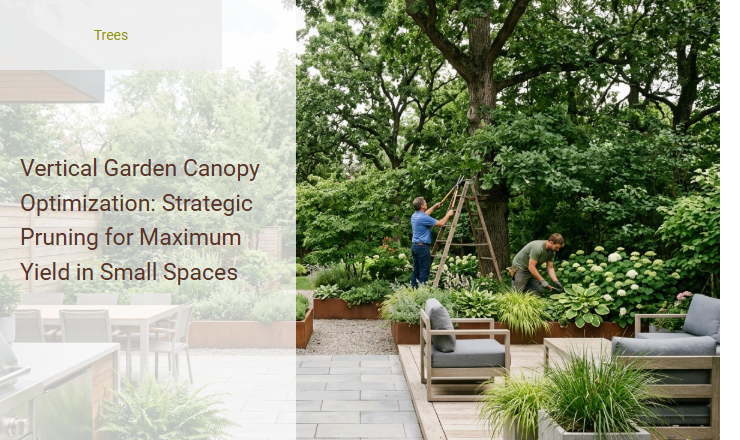
Maximizing crop yield in constrained urban spaces is a persistent struggle for vertical gardeners, often resulting in overcrowded, self-shading foliage and disappointing harvests. To resolve this, we must first analyze how canopy density directly dictates light penetration and microclimates within vertical structures. Implementing strategic pruning grants growers the ability to maximize photosynthetic efficiency, unlocking significant yield potential within the exact same small footprint.
However, successful canopy management stipulates precise, species-specific interventions rather than aggressive, indiscriminate cutting. For instance, targeted suckering of indeterminate vining tomatoes and selective defoliation of dense leafy greens immediately improves airflow and channels energy toward fruit development. In this guide, we will examine the core pruning methodologies, essential tools, and timing frameworks required to optimize your vertical canopy for maximum productivity.
Read also: Pruning vs Shearing for Shrub Trees
Introduction to Vertical Canopy Management
Vertical gardening has revolutionized the way we grow food and ornamental plants by utilizing height rather than ground area. In these vertically stacked setups, space is a premium asset. To prevent crowded conditions and maximize productivity, canopy management is absolutely essential. By controlling the growth pattern of your plants, you ensure that every square inch of your vertical array is utilized efficiently. Strategic pruning plays a pivotal role in this process, unlocking high yields in limited spaces by transforming wild, unruly growth into structured, highly productive green walls. Through targeted cuts, gardeners can optimize resource allocation, turning modest vertical installations into heavy-producing agricultural wonders.
The Science of Light and Airflow in Vertical Systems
In a standard horizontal garden, sunlight covers plants relatively evenly. However, vertical cultivation introduces unique challenges regarding how light penetration and microclimates operate along a vertical plane. Without intervention, top-level foliage acts as an umbrella, casting deep shadows over the lower tiers. This lack of light starves bottom-dwelling leaves, drastically reducing photosynthesis where it is needed most.
A dense canopy acts as a physical barrier, trapping stale, humid air while starving the lower tiers of light and vital carbon dioxide.
When foliage becomes too thick, microclimates form within the vertical layers, characterized by high humidity and stagnant air. These pockets are prime breeding grounds for pathogens. Ensuring uniform light distribution and strong airflow requires a keen understanding of plant geometry and regular, calculated leaf removal.
Essential Gear for High-Precision Pruning
Achieving clean cuts in tight vertical structures requires specialized equipment. Standard garden shears are often too bulky and can damage delicate stems. Having the right tools ensures precision and protects plant health.
To keep your vertical garden in optimal condition, you should equip yourself with the following:
- Micro-tip shears: Perfect for delicate defoliation and trimming small stems in crowded vertical grids without disturbing surrounding foliage.
- Bypass pruners: Best for cutting through thicker, woody stems. The scissor-like action ensures clean wounds that heal quickly.
- Sanitizing solutions: Isopropyl alcohol or diluted bleach solutions are vital to clean blades between cuts, preventing the spread of systemic diseases.
Strategic Thinning for Enhanced Air Circulation
Strategic thinning is the practice of removing excess inner and lower leaves to create open pathways for air to move. In vertical systems, stale air easily gets trapped, leading to mold outbreaks. Follow this step-by-step process to keep your air moving freely:
- Identify the most congested zones of the vertical setup, typically near the middle and lower-middle tiers.
- Locate leaves that are overlapping or pressing directly against the walls of the vertical structure.
- Remove damaged, yellowing, or oldest leaves first to redirect energy to healthier growth.
- Thin out up to one-third of the dense fan leaves, prioritizing those that block the pathway of active fan systems or natural breeze.
Topping and Training for Lateral Expansion
Topping is a foundational training technique where the main growth tip of a plant is cut off. This disrupts apical dominance, shifting the plant's chemical signals to prioritize lateral expansion. Instead of growing a single, tall main stem, the plant splits its energy to develop multiple bushy side branches, which can then be trained across a vertical plane.
By encouraging lateral growth, you can efficiently fill out vertical trellis networks. This method turns a vertically climbing plant into a flat green screen. Each lateral branch receives equal exposure to the light source, turning what would have been a single fruiting site into a wall of abundant harvests.
The Lollipoping Technique: Bottom Canopy Clearing
Lollipoping is the art of stripping away all growth on the lower portion of a plant, leaving a clean, bare stem at the bottom and a lush canopy at the top. In vertical systems, the bottom third of the plant receives almost no light. Keeping these unproductive leaves and low-yield branches alive drains vital energy away from the productive zones.
By executing this technique, you ensure that nitrogen, water, and sugars flow directly to the top tiers. This concentration of resources results in larger, healthier fruits and flowers, while dramatically simplifying maintenance and harvesting on the lower levels.
Integrating Pruning with Vertical Trellis Systems
Pruning and trellising work hand-in-hand to maximize vertical efficiency. Once you have thinned your plants and encouraged lateral branching, you must guide this new growth through your structural supports. Proper integration prevents branches from collapsing under the weight of their own yields.
- Weave young, flexible branches carefully through vertical grids and mesh screens to keep them upright.
- Utilize A-frames to spread branches outward, ensuring that upper foliage does not cast shadows on lower tiers.
- Secure stems to the trellis using soft plant ties, leaving enough wiggle room for the stems to expand as they mature.
- Regularly adjust the positioning of the branches to maintain an even, flat canopy that utilizes every bit of available light.
Post-Pruning Nutrition and Recovery Care
Pruning is essentially surgical intervention; it creates open wounds that cause temporary shock. Immediate and attentive care is required to ensure rapid healing and minimize recovery time. Adjusting your watering schedule is critical, as a plant with fewer leaves transpires less water. Overwatering right after pruning can lead to root rot.
To support cellular repair, apply mild nutrient boosters rich in silica and vitamin B complexes, which help strengthen cell walls and reduce transplant or pruning shock. Keep environmental stress to a minimum by maintaining optimal humidity and avoiding intense heat spikes. This careful management ensures your plants bounce back quickly, ready to put their energy into rapid growth.
Common Vertical Pruning Pitfalls to Avoid
While pruning is highly beneficial, mistakes can stunt growth or invite pathogens into your vertical garden. Recognizing these common pitfalls helps keep your system running smoothly.
- Over-pruning: Removing more than thirty percent of a plant's foliage at one time can send it into severe shock, halting growth entirely.
- Using dirty tools: Neglecting to sterilize shears between plants can quickly spread viruses and bacterial infections through your entire vertical setup.
- Ignoring growth habits: Treating a vining plant like a bushy shrub can lead to poor structural support and reduced yields. Understand your specific plant's genetics before cutting.
Seasonal Maintenance Cycles for Sustained Yields
Maintaining a high-yielding vertical system requires a consistent, seasonal approach. During the early spring and vegetative phases, focus on structural pruning and training stems along your trellis. This builds the strong framework needed to support heavy future yields as the plants mature.
As you transition into the flowering or fruiting cycle, shift your focus to maintenance defoliation and lollipoping. By systematically clearing away old leaves and keeping the air flowing, you sustain optimal conditions right up to harvest. This seasonal cycle keeps your vertical garden productive, healthy, and highly efficient year after year.
Summary
"Vertical Garden Canopy Optimization: Strategic Pruning for Maximum Yield in Small Spaces" explores the critical role of precise canopy management in maximizing agricultural output within limited urban environments. As vertical farming gains popularity, growers must address unique challenges related to light penetration, air circulation, and resource allocation.
This comprehensive guide details actionable pruning techniques designed to redirect a plant's vital energy from non-productive foliage toward fruit and flower development. By strategically managing density, gardeners can improve airflow, significantly reducing the risk of pests and fungal diseases. Additionally, the article outlines species-specific pruning timelines and methods tailored for vertical trellises, tower systems, and living walls. Ultimately, these strategic interventions empower urban growers to unlock the full potential of micro-spaces, turning restricted vertical footprints into highly productive, sustainable agricultural assets.
Leave a comment