
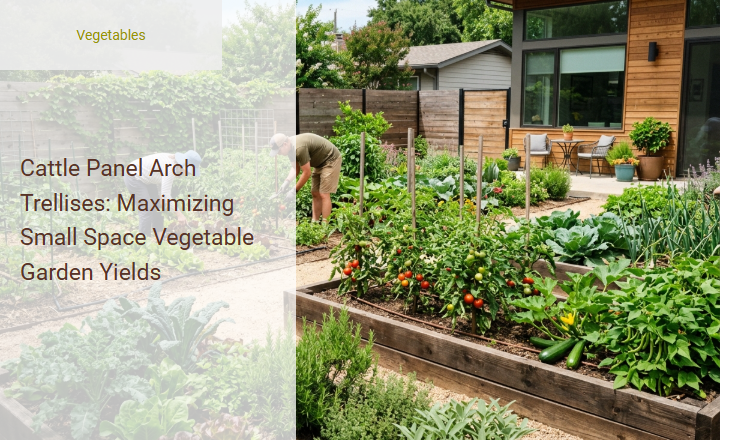
Maximizing productivity in a confined backyard plot often feels like an impossible puzzle, leaving gardeners frustrated by crowded beds, soil-borne diseases, and diminished yields. While traditional horizontal layouts remain the default approach, they quickly exhaust precious square footage and restrict critical airflow.
Transitioning to vertical cultivation via cattle panel arch trellises offers an elegant solution, instantly doubling your usable growing footprint by transforming empty air into highly productive canopy space. However, successful implementation requires a strategic approach; gardeners must account for structural load capacities and proper orientation, as heavy climbers like vining cucumbers, pole beans, and small squash demand robust anchoring to thrive.
In this guide, we will analyze the engineering advantages of cattle panel arches, provide a step-by-step installation blueprint, and outline the best crop selection strategies to safely maximize your small-space harvest.
Read also: Vertical vs Horizontal for Small Space Melons
The Power of Vertical Gardening with Cattle Panel Arches
Many gardeners face the frustrating limitation of a small backyard footprint. Traditional row planting quickly consumes precious ground space, leaving little room for variety. Fortunately, vertical gardening offers a game-changing solution. By utilizing cattle panel arch trellises, you can lift your garden off the ground and expand your growing area into the air.
These sturdy, arched structures create a beautiful living canopy that maximizes every square inch of your soil. Instead of letting sprawling vines take over your walking paths, an arch trellis coaxes them upward, transforming a flat garden plot into a lush, three-dimensional paradise. It is an affordable and incredibly efficient way to boost your vegetable production while creating a stunning visual centerpiece in your yard.
Key Benefits of Arch Trellising for Small Spaces
Stepping up your gardening game with an arch trellis offers practical advantages that go far beyond just saving ground space. This simple architectural addition can dramatically improve the health and output of your entire garden ecosystem.
- Increased Yields: By growing vertically, you can plant more crops closer together without crowding, resulting in a much higher harvest per square foot.
- Improved Air Circulation: Lifting foliage off the damp ground allows wind to pass freely through the leaves, which significantly reduces humidity build-up around the plants.
- Disease Prevention: Keeping leaves and fruit away from soil-borne pathogens prevents common fungal infections like powdery mildew and blight.
- Easier Harvesting: Vegetables hang at eye level, making them incredibly easy to spot and pick without bending over or straining your back.
- Aesthetic Appeal: An arching canopy loaded with green leaves and colorful vegetables creates an enchanting entryway or walkway that elevates your garden design.
Essential Tools and Materials for Your DIY Arch
Building your own arch trellis is a straightforward DIY project that requires only a few heavy-duty materials. Choosing the right components ensures your structure can withstand strong winds and the weight of mature, fruit-bearing vines.
- Cattle Panels: You will need standard galvanized steel utility panels, typically measuring 16 feet in length and 50 inches in height. These are rigid enough to hold their shape yet flexible enough to bend into a clean arch.
- Heavy-Duty T-Posts: Four sturdy metal T-posts (preferably 5 to 6 feet tall) act as the anchor points that keep your arch securely in place.
- T-Post Driver or Sledgehammer: This tool is essential for driving the metal posts deep into the ground to ensure stability.
- Heavy-Duty Zip Ties or Wire: High-tensile UV-resistant zip ties, heavy-gauge wire, or metal U-clamps are required to secure the panels to the T-posts.
- Safety Gear: Always wear thick leather work gloves and safety glasses to protect your hands and eyes from sharp metal edges during assembly.
Step-by-Step Installation Guide
Assembling your arch is a quick project that is best done with a helper. Follow these simple steps to safely install your vertical support structure.
- Determine the placement of your arch, ensuring there is enough space on both sides for planting and that the structure will not block essential sunlight from other beds.
- Drive two T-posts into the ground on one side of your path, spacing them about four feet apart. Repeat this process directly opposite on the other side of the path.
- Lay the cattle panel flat on the ground between the posts. With the help of another person, carefully lift and bend the panel into an arch shape, inserting the ends inside the T-posts.
- Push the bottom of the panel firmly into the soil to prevent it from sliding out.
- Secure the cattle panel to the T-posts using your heavy-duty zip ties or metal wire, fastening them tightly at multiple points along each post.
Top Vegetable Varieties Best Suited for Arches
Not all vegetables are born to climb, but vining varieties will thrive when given the physical support of a cattle panel grid. These plants naturally reach for the sun, using tendrils or winding stems to secure themselves as they grow.
Climbing Pole Beans
Unlike bush beans, pole beans will vigorously climb up the paneling. They produce continuous yields throughout the summer, hanging down through the grid squares for effortless harvesting.
Vining Cucumbers
Cucumbers naturally love to climb. Growing them on an arch keeps the cucumbers perfectly straight, clean, and free from yellow spots that develop when they rest on wet soil.
Small Squash and Melons
Varieties like butternut squash, sugar baby watermelons, and cantaloupe do exceptionally well on arches. The sturdy wire grid easily supports their vines, though the heavy fruits may require a little extra assistance as they mature.
Maximizing Space: Companion Planting Under the Arch
One of the most overlooked benefits of an arch trellis is the unique microclimate created directly beneath it. As your vining crops grow up and over the panel, they cast a gentle, dappled shade over the ground below. This creates a perfect environment for companion planting.
During the heat of summer, cool-season crops that would normally bolt and turn bitter can thrive under this protective canopy. Plant tender greens like spinach, butterhead lettuce, and arugula directly underneath the arch. The shade keeps the soil cool and moist, extending your harvest window for these delicious greens. You can also plant quick-growing root vegetables like radishes or shade-tolerant herbs to maximize your garden efficiency.
Training and Pruning Vines for Optimal Growth
While many vining plants will naturally find their way up the cattle panel, a little human intervention ensures they grow safely and produce at their highest potential.
- Gently weave young vine tips through the metal grid squares when they are about a foot long. Doing this regularly helps them establish a secure grip.
- Use soft plant ties or strips of old cotton t-shirts to loosely secure heavy or stubborn branches without damaging the delicate stems.
- Prune away lower leaves and suckers near the base of the plant to encourage upward growth and maximize airflow around the main stem.
- Remove dead or yellowing foliage throughout the season to keep pests from settling into the dense canopy.
Managing Heavy Fruit and Crop Support
When growing larger vegetables like winter squash, pumpkins, or small melons, the sheer weight of the ripening fruit can put immense strain on the vines. Without proper support, heavy fruits can snap off early, ruining your harvest and damaging the plant.
To prevent this, you can create simple crop slings using stretchy fabrics. Pantyhose, old t-shirts, or nylon mesh netting make excellent slings. Simply cradle the developing fruit in the fabric and tie the ends securely to the metal wires of the cattle panel. This shifts the weight of the vegetable from the fragile vine directly onto the rigid steel arch, allowing the fruit to ripen safely in mid-air.
Seasonal Maintenance and Durability
Cattle panels are incredibly durable, made from galvanized steel that resists rust for decades. However, maintaining your trellis system annually will prolong its lifespan and ensure your soil remains highly productive.
- Clear away dead vines at the end of the autumn harvest, pulling them gently from the grid to avoid bending the metal wires.
- Sanitize the panel arches in early spring with a mild bleach and water solution to kill any lingering fungal spores or overwintering pests.
- Check the security of your fasteners and replace any brittle zip ties or loose wires before the spring planting begins.
- Amend the soil at the base of the arches with fresh compost each spring to replenish the nutrients consumed by your heavy-feeding vertical crops.
Elevate Your Harvest: Final Thoughts
Embracing the vertical plane is one of the most rewarding steps you can take to elevate your gardening success. Cattle panel arch trellises break the barriers of traditional gardening by unlocking vertical real estate that is often left completely unused.
Whether you manage a sprawling suburban plot or a compact urban raised bed, these elegant structures offer an affordable, resilient, and visually captivating way to multiply your yields. By choosing the right crops, practicing mindful companion planting, and giving your plants the structural support they need, you will watch your garden grow to breathtaking new heights.
Summary
Cattle panel arch trellises are a highly efficient, budget-friendly solution for maximizing vegetable yields in small-space gardens. By training climbing crops like cucumbers, squash, melons, and pole beans to grow vertically, gardeners can dramatically increase their usable planting area. These sturdy structures-typically constructed from heavy-duty galvanized steel panels and metal T-posts-arch beautifully over garden pathways, creating an attractive and space-saving garden feature.
Beyond saving ground space, vertical gardening with cattle panels improves air circulation and sun exposure around foliage, significantly reducing the risk of pests and fungal diseases. Harvesting also becomes much easier, as produce hangs at eye level rather than hiding on the ground. Durable enough to support heavy fruits and withstand harsh weather, cattle panel arches offer an affordable, long-lasting DIY project that transforms small backyard plots into highly productive, vertical edible paradises.
Leave a comment