
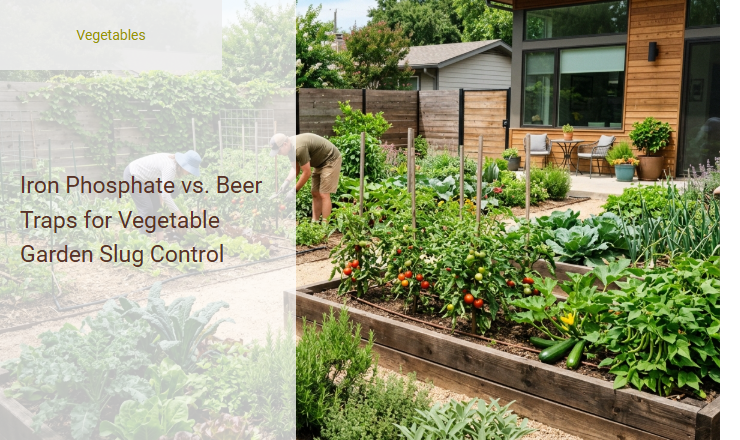
Waking up to find your tender lettuce seedlings and ripening strawberries reduced to shredded, slimy remnants is a heartbreaking rite of passage for vegetable gardeners. Slugs can decimate an entire season's hard work overnight, leaving growers frustrated and desperate for a reliable solution.
Before deploying desperate measures, it is important to understand the modern shift toward integrated pest management, which prioritizes ecological balance over indiscriminate chemical eradication. Adopting targeted, organic interventions grants you a thriving, toxin-free harvest. However, gardeners must recognize the practical stipulation that successful slug control is rarely a one-size-fits-all solution; its efficacy depends heavily on environmental conditions and application timing.
To help you make an informed decision, this article evaluates the two most popular organic controls used today. We will compare commercial iron phosphate baits against traditional DIY beer traps, analyzing their science, cost-effectiveness, and safety profiles to determine which method best protects your backyard crop.
The Slug Menace in Vegetable Gardens
Slugs are the silent destroyers of the vegetable garden, turning pristine lettuce leaves, ripening strawberries, and tender young seedlings into tattered lace overnight. Their slimy trails and voracious appetites can devastate weeks of hard work in a single damp evening. To combat this persistent threat, gardeners often turn to two popular pest control methods: iron phosphate granules, a modern baiting system, and beer traps, a classic DIY organic remedy. Both promise to safeguard your harvest, but they operate on vastly different principles.
What is Iron Phosphate and How Does It Work?
Iron phosphate is a naturally occurring mineral compound formulated into small, pelletized baits. When scattered around the garden, these pellets release a scent that is highly attractive to slugs. Upon consuming the bait, the active ingredient interferes with the calcium metabolism in the mollusk's gut. This disrupts their digestive system and stops feeding activity almost immediately. Instead of dying on the spot and leaving messy slime trails, the affected slugs crawl away to seek shelter in dark, secluded spots where they die quietly within a few days.
The Traditional Beer Trap Method Explained
The beer trap is a time-tested organic gardening technique that exploits a slug's natural foraging instincts. This DIY approach relies on a simple container sunk into the soil and filled with beer. The mechanism is straightforward and highly effective for localized control.
- The rich, yeasty aroma of fermenting beer mimics the scent of decaying matter, drawing slugs from several feet away.
- Slugs crawl over the rim of the container and fall into the liquid.
- Unable to climb out of the slippery, steep-sided vessel, the slugs quickly drown in the alcohol.
Effectiveness and Speed Comparison
When dealing with a severe infestation, speed and capacity are critical. Beer traps are highly effective in a small radius, but they have a limited capacity and must be emptied frequently as they fill with dead pests. Iron phosphate pellets represent the superior choice for large populations and rapid area coverage because they can be broadcast over wide garden beds, providing immediate crop protection across the entire zone by stopping slug feeding instantly.
Safety for Pets, Wildlife, and Beneficial Insects
While pest control is vital, safeguarding the broader garden ecosystem is equally important. Iron phosphate is widely marketed as safe for domestic animals and birds when used according to the label. However, some commercial formulations include inert ingredients that can be harmful in large quantities, so caution is still recommended. On the other hand, beer traps are completely non-toxic to pets, but they can occasionally pose a threat to non-target, beneficial garden insects.
"Organic standards approve iron phosphate as a soil-safe treatment, but gardeners must ensure beer traps are placed with the rim slightly above the soil line to prevent beneficial ground beetles from accidentally falling in and drowning."
Maintenance, Reapplication, and Labor
The amount of time you wish to spend on pest control should influence your choice. Iron phosphate is highly convenient; you simply scatter the pellets and let them work until they break down naturally into the soil. Beer traps require high-maintenance stewardship, demanding regular cleaning, disposing of slimy, decomposing slug soup, and refilling with fresh beer every few days.
Cost and Budget Analysis
Evaluating the financial commitment of both systems reveals distinct differences over a growing season. While a bottle of iron phosphate has a higher upfront cost, its coverage area makes it highly cost-effective compared to buying constant supplies of fresh beer.
| Method | Initial Cost | Longevity per Application | Long-Term Value |
|---|---|---|---|
| Iron Phosphate | Moderate to High | 2 to 4 weeks (weather dependent) | Excellent for large areas |
| Beer Traps | Low (DIY materials) | 2 to 3 days | Good for small, localized spots |
Best Practices for Applying Iron Phosphate
To maximize the efficiency of your commercial bait and ensure you do not waste pellets, correct application technique is essential.
- Apply the granules in the evening when slugs are most active.
- Scatter the pellets evenly around the perimeter of crop beds rather than piling them in heaps.
- Ensure the soil is moist but not waterlogged, as moisture activates the attractant scent.
- Reapply after periods of heavy rain or when the pellets have been entirely consumed.
How to Set Up High-Yield Beer Traps
Building a highly productive beer trap requires careful positioning and construction to ensure slugs are attracted, trapped, and kept out of the rain.
- Select a shallow plastic container, such as a clean yogurt tub or sour cream container.
- Dig a hole in the soil and insert the container, leaving the rim about one inch above the ground level to protect beneficial insects.
- Fill the container halfway with any inexpensive, yeast-forward beer.
- Place a curved lid or a propped-up plate over the top to keep out rain while leaving enough room for slugs to enter.
- Check the trap every two days, empty the contents, and refill with fresh beer.
The Verdict: Which Method Should You Choose?
Both approaches have their place in an integrated pest management strategy. Iron phosphate granules are the premier choice for busy gardeners who need wide-reaching, low-maintenance control over rapidly multiplying slug populations. Conversely, beer traps are ideal for micro-gardens, raised beds, and dedicated DIY enthusiasts who prefer to use household items and organic materials for localized control. For the best defense against severe infestations, consider combining both methods to keep your leafy greens intact and healthy.
| Comparison Feature | Iron Phosphate Pellets | Beer Traps |
|---|---|---|
| Mechanism | Ingestion bait; interferes with calcium metabolism causing slugs to crawl away and die underground. | Yeast/sugar attractant; lures slugs into a liquid reservoir where they drown. |
| Coverage Range | Broad; scattered pellets cover large garden beds efficiently. | Localized; effective only within a 1 to 2-meter radius per trap. |
| Maintenance | Low; reapply every 2 weeks or after heavy breakdown. No carcass cleanup needed. | High; requires emptying dead slugs and refilling liquid every 2–3 days. |
| Weather Durability | Moderate to High; modern formulations resist swelling and dissolving in rain. | Low; rain dilutes the beer, requiring protective covers or immediate refilling. |
| Ecological Impact | Safe for pets, birds, and beneficial insects. Degrades into plant nutrients (iron and phosphate). | Safe for pets, but can accidentally drown beneficial predatory ground beetles. |

Leave a comment