
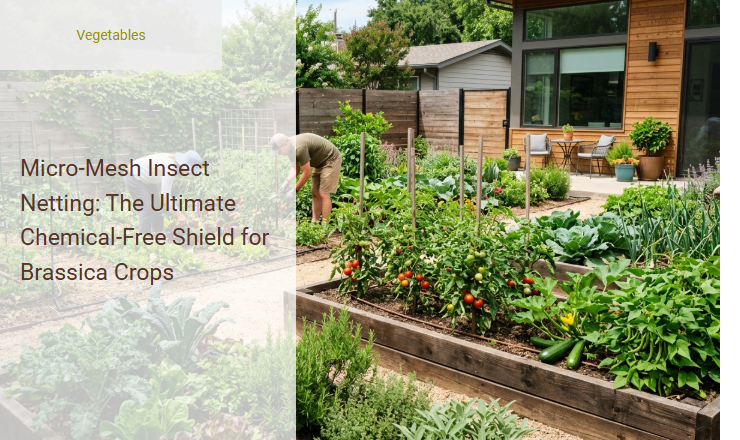
For many growers, cultivating vibrant brassicas like broccoli, kale, and Brussels sprouts feels like an uphill battle against an unrelenting tide of pests. While chemical interventions offer a quick fix, they frequently introduce unwanted toxins into the food chain and disrupt local pollinator networks.
Transitioning to physical exclusion barriers grants growers a pristine, chemical-free harvest and long-term peace of mind. However, utilizing micro-mesh insect netting successfully comes with one critical stipulation: the netting must be deployed and sealed perfectly before pest cycles begin, as any pre-existing larvae or gaps will defeat the barrier's purpose.
When installed correctly, this ultra-fine weave provides an impenetrable shield against notorious brassica destroyers, including the cabbage white butterfly, flea beetles, and destructive root maggots. In this guide, we will examine the science behind micro-mesh, compare optimal grid sizes, and outline best practices for securing your netting to guarantee a thriving harvest.
Read also: Row Covers vs Insect Netting for Pest Protection
Introduction: The Brassica Vulnerability
Growing brassicas such as broccoli, kale, Brussels sprouts, and cabbage is one of the most rewarding endeavors for any gardener, yet it is also one of the most challenging. These highly nutritious crops are unfortunately a magnet for an array of destructive insects that can decimate a crop overnight. For generations, growers have struggled to balance crop protection with the desire for clean, toxin-free produce.
To overcome this challenge without relying on synthetic chemicals, modern growers are turning to organic pest control methods. Among these, the implementation of physical exclusion barriers has proven to be the most reliable defense. By introducing high-quality micro-mesh netting, gardeners can shield their crops from the very start, securing a bountiful, undamaged harvest without compromising ecological integrity.
Understanding the Enemy: Common Brassica Pests
To defend your garden effectively, you must first identify the primary adversaries that target the brassica family. These pests operate at different stages of the plant's life cycle, causing varying types of severe damage:
- Pieris rapae (Cabbage White Butterfly): The larvae of this ubiquitous butterfly are voracious eaters, chewing large, irregular holes in leaves and leaving behind unsightly frass.
- Phyllotreta species (Flea Beetles): These tiny, jumping beetles riddle young seedlings with small holes, mimicking a shotgun blast pattern, which severely stunts early plant growth.
- Delia radicum (Cabbage Root Fly): The adult fly lays eggs at the base of the stems, and the hatching maggots burrow into the roots, causing the plants to wilt and die.
What is Micro-Mesh Insect Netting?
Micro-mesh insect netting is a specialized, lightweight fabric engineered specifically for agricultural crop protection. Unlike standard garden netting, its ultra-fine weave provides an impenetrable shield against even the smallest airborne and crawling pests.
Material Composition and Specifications
Constructed from high-density polyethylene (HDPE), this netting is designed to withstand intense environmental exposure. It features an incredibly small aperture size-typically around 0.6mm to 0.8mm-which is tight enough to block flea beetles while remaining highly breathable. Additionally, the fibers are treated with UV stabilizers to prevent degradation from sun exposure, ensuring the material remains durable and effective for multiple seasons.
Why It Superior to Traditional Alternatives
Traditional bird netting has apertures that are far too large to deter insect pests. Conversely, standard garden fleece or row covers, while effective at blocking insects, tend to trap excess heat and moisture, which can encourage fungal diseases. Micro-mesh strikes the perfect balance by blocking pests without creating a stagnant, overheated environment underneath.
Physical Barrier vs. Chemical War: How It Works
The operational philosophy of micro-mesh netting relies on simple, passive exclusion. By placing an impenetrable layer of fabric between the pest and the plant, you eliminate the need for chemical sprays. Sunlight, overhead irrigation, and natural airflow pass through the mesh effortlessly, allowing the plants to thrive in a protected, natural state.
Integrated Pest Management (IPM) emphasizes physical prevention as the first line of defense, reducing reliance on chemical interventions that disrupt local ecosystems and breed pest resistance.
By preventing adult insects from landing on the foliage, the reproductive cycle is entirely broken. Butterflies cannot lay eggs, beetles cannot feed, and flies cannot access the soil near the stems, rendering chemical warfare completely unnecessary.
The Environmental and Health Advantages
Choosing a physical barrier over chemical treatments yields profound benefits for both your local ecosystem and your dinner table. Synthetic insecticides often lack specificity, meaning they kill indiscriminately and damage vulnerable insect populations far beyond the target pest.
By keeping your garden pesticide-free, you actively safeguard beneficial pollinators such as bees, hoverflies, and butterflies. Furthermore, opting for physical exclusion ensures that your family enjoys a toxin-free harvest, completely free from the chemical residues associated with commercial agriculture.
Creating the Ideal Microclimate for Brassicas
Beyond pest exclusion, micro-mesh netting subtly alters the surrounding environment, creating a stable microclimate that brassicas love. These cool-season crops are highly sensitive to extreme weather conditions, and the netting acts as a gentle buffer.
The fine weave provides excellent wind mitigation, preventing young seedlings from drying out or snapping in harsh gusts. It also aids in soil moisture retention by reducing the rate of evaporation from the soil surface. During summer heatwaves, the mesh offers a light, stabilizing shading effect, preventing premature bolting in sensitive crops like spinach and mustard greens.
Step-by-Step Installation Guide
For micro-mesh netting to work effectively, it must be installed correctly to prevent pests from finding a way inside. Follow these steps to build a secure barrier:
- Erect the Support Structure: Install flexible hoops, timber frames, or metallic conduit pipes across your garden bed to create a sturdy support framework.
- Drape the Netting: Pull the micro-mesh netting over the frame, ensuring there is plenty of slack on all sides to allow the plants room to grow.
- Secure the Borders: Use heavy soil, sandbags, bricks, or specialized garden pegs to completely seal the edges against the ground, leaving no gaps for crawling insects.
- Allow for Maintenance: Ensure at least one side can be easily unpinned for weeding, thinning, and harvesting.
Maintenance and Off-Season Storage
To get the most out of your investment, proper care and seasonal maintenance of your micro-mesh netting are essential.
Cleaning and Repairing
At the end of the growing season, shake off loose dirt and debris. If the netting is heavily soiled, wash it down with mild soapy water and let it air dry completely before packing it away. Small punctures or tears can easily be mended using UV-resistant outdoor thread or specialized repair tape.
Proper Storage Methods
Once dry, fold the netting neatly and store it in a cool, dry place away from direct sunlight. Storing the mesh inside a sealed plastic container or heavy-duty storage bag will prevent rodents from nesting in it during the winter months, ensuring it is ready for immediate deployment in the spring.
Cost-Benefit Analysis: Mesh vs. Pesticides
While the upfront cost of high-quality micro-mesh can seem significant, comparing it to the recurring cost of chemical or organic pesticide sprays reveals its true economic value over time.
| Comparison Factor | Micro-Mesh Netting | Chemical / Organic Sprays |
|---|---|---|
| Initial Investment | Moderate to High | Low |
| Recurring Seasonal Cost | Zero (lasts 5+ years) | High (requires constant repurchasing) |
| Labor and Application | One-time setup | Weekly application, especially after rain |
| Environmental Impact | Zero footprint | Risk of runoff and pollinator decline |
Embracing a Sustainable Brassica Harvest
Growing healthy, pest-free brassicas does not require a cocktail of chemical interventions. By utilizing physical barriers, you work in harmony with nature rather than against it, producing vibrant, nutrient-dense crops that are safe for your family and the planet. This simple shift in methodology fosters a healthier garden ecosystem while reducing your overall gardening labor.
Make the transition to a smarter, cleaner way of growing by integrating micro-mesh insect netting into your planting plan this season. Protect your hard work, conserve your soil health, and enjoy the peace of mind that comes with practicing true sustainable agriculture.
Summary
Growing brassica crops like broccoli, kale, and cabbage is often a challenge due to persistent pests such as cabbage moths, flea beetles, and root maggots. The article, "Micro-Mesh Insect Netting: The Ultimate Chemical-Free Shield for Brassica Crops," highlights micro-mesh netting as the premier organic solution for safeguarding these vulnerable plants. Unlike traditional chemical pesticides, this ultra-fine netting creates an impenetrable physical barrier that blocks even the smallest insects from accessing and damaging the crops.
Despite its tight weave, the lightweight material allows optimal sunlight, essential airflow, and rainwater to penetrate, ensuring healthy plant development without trapping excess heat. Easy to install over support hoops or directly on plants, micro-mesh netting offers a durable, reusable, and environmentally friendly method for both home gardeners and commercial growers to secure a bountiful, chemical-free brassica harvest season after season.
Leave a comment