
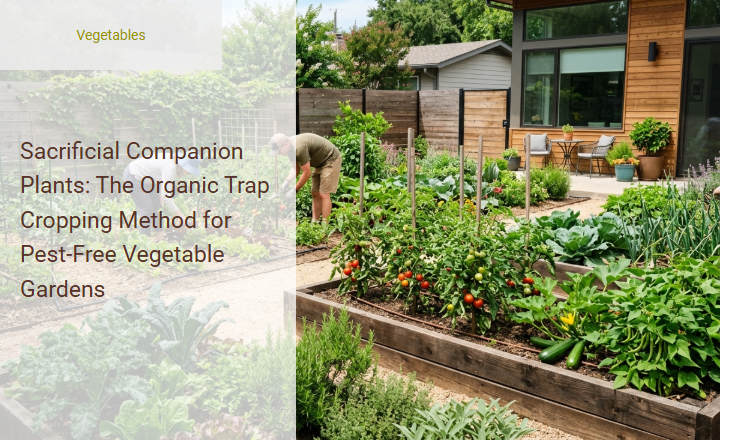
Watching your carefully tended vegetable garden get decimated by pests is one of the most frustrating challenges a grower can face. While synthetic chemical sprays offer a temporary fix, they frequently disrupt the delicate backyard ecosystem, harming beneficial pollinators and compromising food safety.
Fortunately, adopting a strategic trap cropping method grants you a thriving, chemical-free harvest by working with nature rather than against it. However, successful implementation requires a shift in perspective: this is not a random planting technique, but a structured biological system based on insect behavior and preferences.
By strategically planting highly attractive sacrificial hosts-such as using nasturtiums to lure aphids away from tender peppers, or blue Hubbard squash to intercept destructive cucumber beetles-you redirect damage away from your primary crops. In this guide, we will demystify the science of sacrificial companion plants, highlight the most effective trap crop pairings, and outline step-by-step garden layouts to safeguard your backyard harvest.
Read also: Neem Oil vs Bt for Caterpillar Defense
Introduction: The Art of Garden Sacrifice
In the quest for a bountiful harvest, gardeners often wage a relentless war against pests. However, a more elegant, natural strategy exists that relies on cooperation rather than chemical warfare. Known as sacrificial companion planting or trap cropping, this technique involves deliberately placing specific plants in your garden to draw destructive insects away from your prized vegetables.
By offering a highly appealing decoy, you can protect your main crops from damage. This ancient agrarian wisdom allows you to manage pest populations naturally, ensuring that your heirloom tomatoes and crisp lettuces thrive untouched while the pests feast happily on their designated sacrificial hosts.
Understanding Trap Cropping: How It Works
At its scientific core, trap cropping is a pest management strategy based on insect preference. Destructive insects are not random wanderers; they navigate the world through highly sensitive sensory organs that detect visual cues and olfactory signatures released by plants.
Many insects are strongly attracted to specific chemical compounds, known as volatile organic compounds, emitted by host plants. Trap crops are selected because they produce these chemical signals in much higher concentrations than your main vegetable crops. When a pest is searching for a meal, the intense aroma and distinct physical profile of the decoy plant prove irresistible, effectively diverting them from your primary harvest.
Key Benefits of Organic Trap Cropping
Embracing this organic pest control methodology transforms how your garden functions, shifting it from a fragile monoculture into a resilient, self-regulating ecosystem. The advantages extend far beyond simply saving a few leaves from being chewed.
- Reduction in Chemical Pesticides: By redirecting pests naturally, you eliminate the need for synthetic sprays, keeping your food pure and toxic-free.
- Preservation of Beneficial Insects: Ladybugs, lacewings, and predatory wasps thrive in these habitats, acting as natural allies that keep pest populations in check.
- Enhanced Biodiversity: Introducing a wider variety of plant species creates a robust garden environment that is inherently more resistant to disease outbreaks.
- Cost-Effectiveness: A simple packet of decoy seeds is significantly cheaper than expensive, repeat-application chemical pesticides.
Top Five Sacrificial Plants for Vegetable Gardens
To successfully implement this technique, you must select the right sacrificial plants. Here are five exceptionally powerful trap crops that masterfully draw pests away from your vegetables.
Nasturtiums
These vibrant, edible flowers are incredibly appealing to aphids, caterpillars, and whiteflies. Nasturtiums act as a preferred host, taking the brunt of infestation so your leafy greens and tomatoes remain clean.
Radishes
Fast-growing and resilient, radishes are highly attractive to flea beetles. Planting these root vegetables around your delicate brassicas will keep the beetles busy chewing radish leaves instead of ruining your prized cabbages.
Blue Hubbard Squash
This heirloom winter squash is a legendary trap crop. It produces highly concentrated chemical attractants that lure squash bugs, cucumber beetles, and vine borers away from more sensitive summer squashes and melons.
Mustard Greens
With their spicy chemical profile, mustard greens are irresistible to harlequin bugs and various species of beetles, acting as an excellent shield for broccoli, kale, and cauliflower.
Sunflowers
The towering presence of sunflowers does more than add beauty; it acts as a magnetic beacon for stink bugs and leaf-footed bugs, keeping them safely away from your ripening tomatoes and peppers.
Matching Trap Crops to Target Pests
To establish a highly functional defense system, you must pair the correct sacrificial crop with the specific pests that plague your garden. Placing the wrong decoy plant will yield disappointing results.
- Aphids: Divert these sap-sucking pests by planting nasturtiums or stinging nettle nearby.
- Flea Beetles: Protect eggplant and potatoes by planting a perimeter of radishes or pak choi.
- Stink Bugs: Shield your tomatoes and bell peppers by drawing them to sunflowers or sorghum.
- Tomato Hornworms: Keep these voracious caterpillars off your valuable nightshades by offering them dill or flowering tobacco.
Strategic Layouts: Perimeter Bordering vs. Interplanting
The spatial arrangement of your trap crops determines how effectively they intercept hungry insects before they reach your primary crops. Gardeners generally choose between two primary geometric strategies based on the specific pests they are targeting.
Perimeter Bordering
This method involves planting a continuous protective ring of sacrificial plants completely surrounding your main vegetable plot. It works exceptionally well against highly mobile pests that migrate into your garden from external areas, establishing a physical and chemical barrier that stops invaders at the border.
Interplanting
This strategy involves mixing sacrificial plants directly within the rows of your primary crops. Interplanting is highly effective for dealing with slower-moving pests or when space is limited, as it ensures that any insect that slips past the perimeter immediately encounters a more attractive decoy close by.
Timing is Everything: Synchronization Secrets
Success in trap cropping depends heavily on precise scheduling. If your sacrificial plants are not mature enough when the destructive pests emerge, the insects will bypass the decoys and establish themselves directly on your main vegetable crops, defeating the purpose of your layout.
To prevent this, you must plant your trap crops two to three weeks before you transplant your primary vegetables. This head start ensures that the decoys are larger, more fragrant, and actively producing lush foliage. By the time your precious cash crops are placed in the ground, the target pests will already be safely colonized on the sacrificial hosts.
Managing the Trap: When and How to Intervene
A sacrificial plant is not a passive ornament; it is a dynamic pest magnet that requires active management. If you simply leave the pests on the decoys indefinitely, their populations will swell until they eventually spill over onto your main crops.
- Regularly inspect the leaves and stems of your decoy plants to monitor pest densities.
- Once you observe a high concentration of pests, hand-pick or vacuum them off the sacrificial plant using a hand-held garden vacuum.
- For severe infestations, cut away heavily affected portions of the trap plant and submerge them in soapy water to destroy the insects.
- If a trap crop becomes entirely overwhelmed, carefully bag the entire plant, pull it from the roots, and dispose of it far from your garden beds.
Common Trap Cropping Mistakes to Avoid
While this method is highly rewarding, simple oversights can compromise its efficacy. Keep these common pitfalls in mind as you plan and manage your organic garden space.
- Neglecting Trap Crop Health: A weak, dying decoy plant will not produce the strong visual and olfactory cues needed to lure pests away from your healthy main crops.
- Incorrect Spacing: Planting your sacrificial species too close to your primary vegetables can allow pests to easily jump across the gap, rendering the barrier useless.
- Forgetting to Manage Pests: Treating trap crops as self-cleaning systems is a mistake; failing to dispatch the concentrated pests turns your decoy into a breeding ground.
Conclusion: Cultivating a Balanced Ecosystem
Implementing trap cropping shifts your gardening philosophy from control to cooperation. Rather than striving for complete eradication, which often decimates beneficial insect populations and strips the soil of vitality, this technique fosters a self-sustaining equilibrium where pests and plants co-exist without destroying your yield.
"By understanding and utilizing the natural preferences of garden insects, we can cultivate thriving, organic landscapes that work in perfect harmony with the natural world."
Summary
The article "Sacrificial Companion Plants: The Organic Trap Cropping Method for Pest-Free Vegetable Gardens" explores the ecological strategy of trap cropping to protect crops naturally. By strategically planting decoy companion plants-often referred to as sacrificial plants-gardeners can lure destructive pests away from their primary vegetable crops. This organic pest management technique utilizes the natural preferences of insects, drawing them toward highly attractive trap plants like nasturtiums, mustard, or sunflowers, thereby keeping prized vegetables like tomatoes and squash insect-free.
Not only does this method drastically reduce or eliminate the need for synthetic chemical pesticides, but it also fosters a biodiverse garden ecosystem that attracts beneficial predatory insects. Ultimately, implementing trap cropping enhances overall garden resilience, offering a sustainable, chemical-free path to achieving a bountiful and healthy harvest.
Leave a comment