
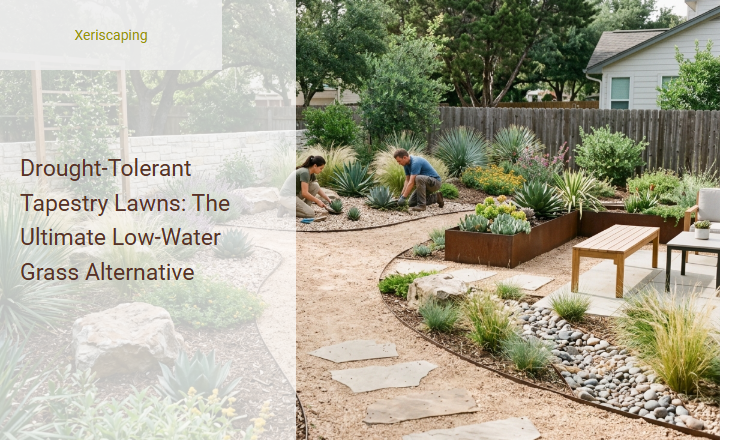
Maintaining a lush, green lawn in the face of rising water rates and shifting climate patterns is an increasingly frustrating battle for modern homeowners. Traditional turf grass, while familiar, demands a relentless regime of irrigation, mowing, and synthetic fertilizers that is becoming both ecologically and financially unsustainable.
As municipal water restrictions tighten, the concept of the "tapestry lawn" offers a brilliant alternative, delivering a vibrant, low-water matrix of groundcovers that slashes utility bills. However, transitioning to this ecosystem requires a brief stipulation: it is not a zero-maintenance miracle, but rather a deliberate system requiring careful species selection to suit your local soil and sunlight.
By blending resilient, low-growing species like creeping thyme (Thymus serpyllum), Roman chamomile, and microclover, you can create a durable, walkable carpet of colors. In this article, we will examine the exact steps to design, establish, and care for a drought-tolerant tapestry lawn that thrives where traditional grass fails.
Read also: Mycorrhizae vs Synthetic Root Stimulators for Plant Establishment
Rethinking the Traditional Green Carpet
For decades, the classic manicured lawn has stood as the default standard for suburban landscaping. However, maintaining this pristine green carpet comes at a steep environmental cost, requiring thousands of gallons of water, persistent chemical fertilizers, and constant fossil-fueled mowing. As climate patterns shift and resources tighten, homeowners are seeking a sustainable, biodiverse alternative that works with nature rather than against it. Enter the tapestry lawn: a vibrant, drought-tolerant design that replaces fragile grass monocultures with a rich mosaic of low-growing plants.
What is a Tapestry Lawn?
A tapestry lawn is an intentional botanical community composed of various low-growing, non-grass perennial plants instead of a single turf species. By combining multiple species that thrive at ground level, this layout forms a dense, living carpet. Because these plants interweave over time, they form a highly resilient matrix that easily withstands environmental pressures.
This diversity of plant life ensures that if a specific pest or disease strikes, only one species is affected, leaving the rest of your lawn intact and green. Furthermore, the varying textures and growth habits of these ground covers provide excellent natural resistance to light foot traffic, adapting organically to the natural patterns of your outdoor life.
Key Benefits of Transitioning to a Tapestry Lawn
Replacing your resource-intensive lawn with a living tapestry offers clear ecological advantages and drastically reduces your weekend chore list. By transitioning to this biodiverse system, you unlock several long-term benefits:
- Drastic Water Reductions: Deep-rooting broadleaf perennials tap into deep soil moisture reserves, requiring a fraction of the irrigation of traditional turf.
- No More Regular Mowing: Because these selected plants naturally maintain a low profile, you can retire your lawnmower, trimming only a few times a year.
- Pollinator Paradise: The seasonal blooms of ground covers provide vital nectar and pollen for bees, butterflies, and other beneficial insects.
- Natural Weed Suppression: The dense, interlocking growth of a mature tapestry lawn leaves no open soil or sunlight for opportunistic weed seeds to germinate.
Top Drought-Tolerant Plants for Your Green Tapestry
Selecting the right plant palette is essential for achieving a self-sustaining lawn. The best candidates are low-growing, spreading perennials that shrug off heat and dry spells.
Aromatic Ground Covers
These species release pleasant fragrances when stepped on and form tight, dense mats that keep the soil cool.
- Creeping Thyme (Thymus serpyllum): A champion of drought resistance, offering tiny purple flowers and a rich herbal scent.
- Corsican Mint (Mentha requienii): Ideal for damp-to-dry transition zones, releasing a bright minty aroma underfoot.
- Roman Chamomile (Chamaemelum nobile): Offers a soft, fern-like texture and sweet apple-like scent, handling dry soils beautifully once established.
Nitrogen-Fixing and Ground-Hugging Species
These plants support the soil food web while filling in gaps quickly to block out weeds.
- Microclover (Trifolium repens 'Pipolina'): Draws nitrogen from the air to fertilize surrounding plants naturally while remaining highly drought-tolerant.
- Pussytoes (Antennaria dioica): Features silvery foliage and fuzzy white flowers, thriving in the poorest, driest soils.
Assessing Your Site and Climate
Before purchasing your plants, you must carefully evaluate the unique environmental conditions of your yard to choose the right species mix.
- Sun Exposure: Note which areas receive full, all-day sun and which are shaded by trees or structures, as species like Creeping Thyme demand sun, while Corsican Mint prefers partial shade.
- Soil Texture: Test whether your soil is sandy and fast-draining or heavy clay. Sandy soils require highly drought-tolerant species, whereas clay-heavy zones need plants that can handle occasional pooling without rotting.
- Foot Traffic Intensity: Identify high-use pathways. For heavy-traffic zones, prioritize resilient species like Microclover and Creeping Thyme, keeping delicate flowering species to the edges.
Step-by-Step Soil Preparation
Creating a clean slate is the most critical step to ensure your new tapestry plants do not have to compete with aggressive, established turf grasses.
- Clear the Existing Turf: Use sheet mulching (layering cardboard and compost) or solarization (using clear plastic to heat the soil) to suffocate the old grass and weed seeds organically.
- Amend for Optimal Drainage: Incorporate coarse organic compost into clay soils to break up compaction and ensure deep root penetration.
- Level the Surface: Gently rake the prepared soil to create an even, crumbly planting bed that allows young roots to establish quickly.
Planting Strategies: Plugs, Seeds, and Layout
The layout of your tapestry lawn determines how quickly it will knit together into a seamless carpet.
Plugs versus Direct Seeding
While seeding is cost-effective for large areas, utilizing individual plant plugs yields faster, more reliable results. Plugs allow you to space out slow-growing species alongside fast-spreading ones, giving you immediate control over the visual pattern and plant distribution.
Designing the Matrix
Instead of planting in rigid, sterile rows, arrange your plugs in a staggered, random matrix. This naturalistic grid mimics wild plant communities, allowing different colors, textures, and heights to blend seamlessly as they grow.
[Visual Representation: A staggered grid layout showing alternating plant plugs of Creeping Thyme, Chamomile, and Microclover spaced 6 to 8 inches apart to encourage natural spreading and seamless coverage.]
Navigating the Critical Establishment Phase
Even drought-tolerant plants require a bit of initial care to develop the deep root systems that will protect them later in life.
During the first four to six weeks, establish a consistent watering routine. Water deeply and infrequently rather than giving shallow daily sprinkles; this encourages the roots to search downward for moisture. Keep a close eye on the bare soil between your plugs and pull emerging weeds by hand before they can set deep roots.
Low-Effort Seasonal Maintenance
Once your tapestry lawn is fully established, it requires remarkably little intervention to maintain its beauty and ecological health.
- Seasonal Mowing: You only need to mow or high-trim once or twice a year, usually in late summer after flowering, to tidy up spent blooms and encourage fresh foliage.
- Targeted Hand-Weeding: Because the plant matrix is incredibly dense, weeds will be rare. Simply spot-treat or hand-pull any invaders during your occasional garden walks.
- Winter Dormancy: Most tapestry plants will semi-evergreen or go dormant in winter, naturally returning with vibrant colors when the soil warms in spring.
Embracing the Future of Landscaping
The era of the high-maintenance, resource-devouring grass lawn is drawing to a close. Choosing to plant a tapestry lawn is more than just a stylistic choice; it is a meaningful commitment to local biodiversity and resource conservation. By replacing thirsty turf with a resilient, self-sustaining mosaic of ground covers, you create a dynamic ecosystem right outside your door. Embrace this living, breathing landscape and enjoy the rich seasonal colors, reduced utility bills, and effortless maintenance of a truly modern yard.
Summary
"Drought-Tolerant Tapestry Lawns: The Ultimate Low-Water Grass Alternative" introduces an innovative, eco-friendly landscaping trend that replaces traditional, water-thirsty turf with a biodiverse mix of low-growing, drought-tolerant perennials. Instead of a high-maintenance monoculture grass lawn, a tapestry lawn combines various resilient groundcovers-such as thyme, chamomile, and clover-to create a vibrant, carpet-like display of interlocking colors and textures. This sustainable landscaping method offers substantial environmental benefits, including a drastic reduction in water consumption, minimal mowing requirements, and the elimination of synthetic fertilizers. Furthermore, these living carpets foster local biodiversity by providing crucial habitats and food sources for essential pollinators like bees and butterflies. Ideal for homeowners seeking a resilient, low-maintenance yard, tapestry lawns prove that ecological responsibility can coexist with stunning aesthetic appeal, offering a practical solution to modern water scarcity.
Leave a comment