
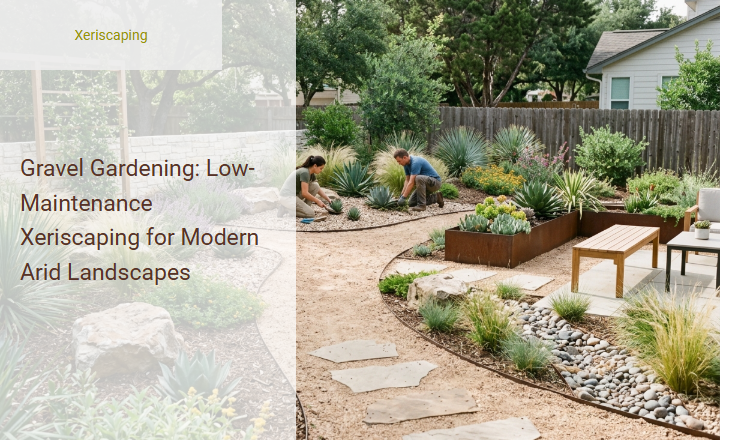
Homeowners in arid regions face a losing battle: soaring water utility bills and the exhausting chore of keeping thirsty turfgrass alive under a scorching sun. While traditional lush lawns have long been the suburban standard, escalating droughts demand a fundamental shift in how we approach residential land design.
Transitioning to xeriscaping not only slashes water consumption by up to 80% but also yields a sophisticated, sculptural aesthetic that elevates modern architectural curb appeal. However, success requires a key distinction: true gravel gardening is not merely pouring rocks over dirt; it demands strategic soil drainage and an understanding that "low-maintenance" does not mean "zero-maintenance." For instance, combining decomposed granite with drought-resilient species like Agave parryi prevents erosion while thriving on natural rainfall alone.
In this guide, we will examine the essential design principles, material selections, and systemic installation techniques required to transition your yard into a modern, climate-resilient sanctuary.
Read also: Morning Watering vs Evening Watering for Evaporation Reduction
Embracing the Stone: An Introduction to Gravel Gardening
Gravel gardening is an innovative horticultural practice that replaces traditional lawns and water-hungry flowerbeds with beautiful, drought-tolerant stone landscapes. At the heart of this movement is xeriscaping, a landscaping philosophy designed specifically for areas susceptible to drought or where water conservation is a priority. By utilizing various sizes and textures of stone, homeowners can cultivate a vibrant, living ecosystem that requires minimal supplemental watering.
As climate patterns shift and freshwater resources become increasingly precious, gravel serves as a modern, sustainable solution for arid climates. Unlike concrete or asphalt, which create impermeable surfaces and contribute to urban heat islands, gravel allows rainwater to infiltrate the ground naturally, recharging local aquifers while offering an elegant, architectural aesthetic that complements contemporary home designs.
The Functional Benefits of Gravel Mulch
While organic mulches like wood chips decompose over time and require annual replacement, gravel offers a permanent solution that drastically improves soil conditions. It acts as a protective shield for the soil, regulating temperatures so that plant roots do not experience extreme thermal shock during hot summer days or freezing winter nights.
- Superior Moisture Retention: Gravel prevents water from evaporating rapidly from the soil surface, ensuring that every drop of moisture is directed down to the root zone.
- Excellent Weed Suppression: A thick layer of aggregate suffocates airborne weed seeds, preventing them from establishing a foothold in your garden bed.
- Unmatched Durability: Inorganic stone does not rot, blow away in high winds, or wash away during torrential downpours, making it a highly cost-effective choice over time.
Choosing Your Medium: Types of Gravel and Aggregates
Selecting the right aggregate is crucial for both the health of your plants and the visual appeal of your landscape. Pea gravel consists of small, rounded stones that are comfortable to walk on, making them ideal for pathways and intimate seating areas. River rock offers larger, water-worn boulders and stones that bring a natural, riparian look to dry creek beds. Crushed stone features angular edges that lock together, providing a highly stable surface that does not shift underfoot.
Foundation First: Site Preparation and Soil Management
A successful gravel garden depends entirely on proper preparation of the underlying terrain. Without adequate planning, you risk poor drainage and persistent weed growth that can ruin the integrity of your landscape design.
- Clear the designated area of all existing turf, weeds, and debris, ensuring you dig down deep enough to accommodate your gravel depth.
- Grade the soil away from any structures or foundations to guarantee that heavy rains drain safely away from your home.
- Assess your soil drainage; heavy clay soils may need to be amended with coarse grit or organic matter to prevent water from pooling beneath the gravel layer.
- Evaluate the weed barrier debate: while geotextile fabrics prevent stone from sinking into the soil, they can trap organic debris over time, creating a fertile seedbed for weeds; many experts prefer planting directly into bare soil topped with a thick layer of clean stone.
Flora for the Stone: Selecting Arid-Adapted Plants
The true beauty of a gravel garden lies in the contrast between structural stone and resilient, textured foliage. Choosing plants that naturally thrive in rocky, nutrient-poor, and dry environments ensures a low-maintenance landscape that remains attractive year-round.
Succulents and Cacti
Species such as Agave, Sedum, and Sempervivum store water in their fleshy leaves, allowing them to withstand prolonged dry spells with ease. Their bold, architectural shapes look striking against a clean gravel backdrop.
Ornamental Grasses
Grasses like Blue Fescue, Feather Reed Grass, and Mexican Feather Grass add movement, texture, and a soft contrast to the rigid lines of stone, catching the wind beautifully.
Mediterranean Herbs
Lavender, Rosemary, Thyme, and Sage thrive in warm, gravelly conditions, releasing delightful aromatics while requiring virtually no supplemental watering once established.
Principles of Modern Arid Landscape Design
Modern gravel garden design is about balance, structure, and mimicking natural landforms. Instead of cluttering the space with too many varieties, successful designers use restraint and focus on form and rhythm.
"In gravel gardening, the empty spaces between plants are just as important as the plants themselves, providing breathing room for the eye."
Create a sense of harmony by grouping plants in hydrostatic zones based on their specific water needs. Use larger, weathered boulders as architectural focal points to anchor your plantings, giving the illusion that the garden has been carved naturally out of the surrounding wild landscape.
Planting Technique: How to Install Plants in Gravel
Planting directly into a gravel-mulched bed requires a specific technique to prevent soil from mixing with the clean stone layer, which would otherwise encourage weed growth.
- Scrape back the gravel layer from the target planting area, exposing the bare soil underneath.
- Dig a hole that is twice as wide as the plant's root ball but equal in depth.
- Place the plant in the hole, ensuring the crown rests slightly above the surrounding soil level to prevent rot.
- Backfill the hole with the excavated soil, tamping it down gently to eliminate any air pockets around the roots.
- Carefully push the gravel back around the base of the plant, keeping the stone a few inches away from the main stem to prevent moisture buildup.
Smart Watering: Irrigation Strategies for Xeriscapes
While gravel gardens are designed to conserve water, new plants still require regular moisture to establish deep, resilient root systems.
Drip Irrigation Systems
Installing a subsurface drip irrigation system delivers water directly to the plant roots, minimizing loss due to evaporation. Emitting water slowly over several hours encourages roots to grow deep into the soil profile rather than staying near the hot surface.
Deep Watering Schedules
Rather than watering lightly every day, transition established plants to infrequent, deep watering cycles. This mimicking of natural desert rain patterns creates incredibly tough, drought-resistant specimens.
Low Maintenance, Not No Maintenance: Seasonal Care
Although gravel gardens dramatically reduce your chore list, they still require occasional attention to remain looking pristine and healthy throughout the year.
- Remove fallen leaves and organic debris promptly using a leaf blower or rake to prevent organic matter from decomposing into the gravel.
- Hand-pull any opportunistic weeds that manage to germinate in the stone layer before they have a chance to set seed.
- Prune dead flower stalks and trim back overgrown ornamental grasses in the late winter to make room for fresh spring growth.
Troubleshooting Common Gravel Garden Challenges
No garden is completely free of challenges. Anticipating potential issues allows you to implement simple, proactive solutions to maintain your landscape's health and beauty.
Dealing with Shifting Stones
Over time, high-traffic areas might experience shifting gravel. Installing deep, sturdy landscape edging or using stabilizer binders can keep your aggregates locked firmly in place.
Managing Heat Reflection
Light-colored stones can reflect intense heat onto nearby plants. To mitigate this, incorporate heat-tolerant shade trees or choose darker, non-reflective stone varieties in areas exposed to harsh afternoon sun.
Summary
"Gravel Gardening: Low-Maintenance Xeriscaping for Modern Arid Landscapes" explores an innovative and sustainable approach to modern landscaping in water-scarce regions. As traditional turf lawns become increasingly impractical due to climate change, gravel gardening offers an eco-friendly, visually striking alternative. The article details how combining various gravel aggregates with drought-tolerant flora-such as succulents, ornamental grasses, and hardy Mediterranean herbs-creates a vibrant, climate-resilient sanctuary.
By replacing high-water lawns with gravel mulch, homeowners can drastically cut water consumption, eliminate mowing, and naturally suppress weed growth. The guide covers crucial preparation steps, including soil grading, drainage optimization, and planting techniques designed to help arid species thrive. Ultimately, this modern xeriscaping method demonstrates that conserving water does not mean sacrificing aesthetic appeal, providing a practical blueprint for creating low-maintenance, beautiful, and environmentally responsible outdoor spaces.
Leave a comment