
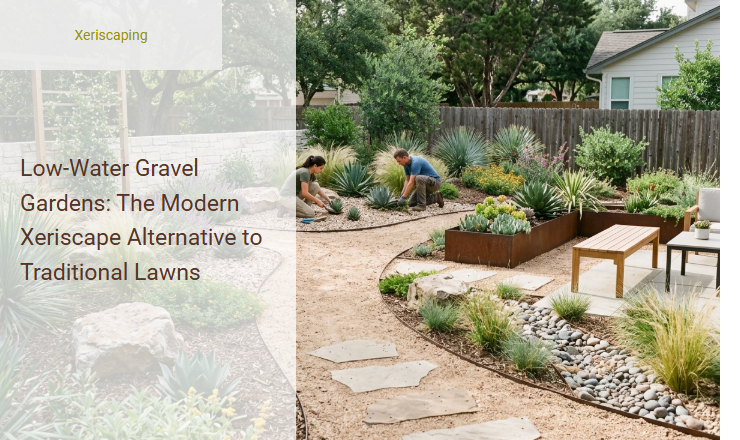
For many homeowners, maintaining a lush, green lawn has become an uphill battle against rising water rates, strict drought mandates, and endless weekend mowing. While traditional xeriscaping has long been proposed as the primary solution, many find the prospect of a sparse, cactus-only yard unappealing. Enter the modern gravel garden: a sophisticated design alternative that drastically reduces water consumption while delivering a lush, multi-textured aesthetic.
It is important to note that these are not sterile stone yards; rather, they are dynamic, living ecosystems that require strategic soil preparation and a thoughtful approach to planting depth to succeed. By pairing permeable aggregates with resilient species like purple coneflower, blue fescue, and creeping thyme, you can create a self-sustaining haven. In this article, we will break down the essential design principles, plant selection criteria, and step-by-step installation techniques to help you successfully transition from high-maintenance turf to a thriving, low-water oasis.
Read also: Deciduous Trees vs Evergreen Conifers for Summer Shade
The Cost of the Green Dream: Why Traditional Lawns are Fading
For decades, the lush, emerald-green carpet has been the gold standard of suburban landscaping. However, maintaining this pristine turf comes at a devastating ecological and financial cost. Traditional lawns demand thousands of gallons of water, frequent mowing, and chemical fertilizers that pollute local waterways. Homeowners are increasingly feeling the pinch of rising water rates and the endless chore of weekend lawn maintenance. Gravel gardens have emerged as the modern, sustainable alternative, offering a stunning, low-stress landscape that thrives in harmony with nature rather than fighting against it.
Demystifying the Gravel Garden: What is Modern Xeriscaping?
A gravel garden is a specialized landscaping system where drought-tolerant plants are grown directly in a thick layer of aggregate, relying on natural rainfall once established. It is a key element of modern xeriscaping, a method of landscaping designed specifically for water conservation. Unlike the monotonous monoculture of a traditional lawn, a gravel garden features a rich tapestry of textures and structural plants. It also differs significantly from sparse, barren desert landscapes; instead of a dry expanse of sand with a single cactus, a well-designed gravel garden is a lush, dynamic ecosystem brimming with life and color, using stone to lock in moisture and protect the soil.
The Hidden Benefits: Why Make the Switch?
Transitioning from a thirsty lawn to a gravel garden yields profound rewards for both your lifestyle and the local environment. Here are the primary advantages of making the switch:
- Water Conservation: Reduces outdoor water usage by up to eighty percent, significantly lowering monthly utility bills.
- Biodiversity Support: Creates a thriving habitat for native pollinators, beneficial insects, and songbirds.
- Low Maintenance: Eliminates the need for mowing, edging, and heavy chemical applications.
- Year-Round Aesthetic: Provides beautiful structural interest, seed heads, and evergreen textures even during the dead of winter.
Designing Your Space: Site Selection and Layout
Before moving any stone, it is essential to analyze the unique microclimate of your yard. Most drought-tolerant plants require full sun, meaning your chosen site should receive at least six hours of direct sunlight daily. Slope and natural drainage patterns must also be assessed; gravel gardens perform best on flat areas or gentle, well-draining slopes where water does not pool after a heavy rain.
Laying the Groundwork: Soil Preparation and Weed Control
The success of a gravel garden depends entirely on proper preparation of the planting bed. Unlike traditional gardens, the goal here is to avoid rich, organic-heavy soil, which encourages rapid, floppy weed growth and causes drought-tolerant roots to rot.
- Remove the existing lawn entirely using a sod cutter or the sheet-mulching method.
- Excavate the top two to three inches of soil to accommodate the upcoming layer of aggregate.
- Incorporate sharp sand or fine grit into the remaining topsoil to ensure rapid drainage.
- Level the area, keeping a slight grade to direct stormwater away from the foundation of your home.
Curating the Palette: Selecting Drought-Tolerant Plants
Choosing the right flora is the most creative step in establishing your new landscape. You want to select resilient species that naturally thrive in lean, dry conditions and look beautiful arranged together.
| Plant Category | Key Characteristics | Recommended Varieties |
|---|---|---|
| Mediterranean Herbs | Aromatic foliage, highly drought-resistant, loves full sun. | Lavender, Rosemary, Thyme, Oregano |
| Ornamental Grasses | Adds movement, texture, and winter structure to the garden. | Blue Fescue, Little Bluestem, Feather Reed Grass |
| Resilient Succulents | Fleshy leaves that store water, low-growing ground cover. | Sedum (Stonecrop), Sempervivum (Hens and Chicks) |
The Planting Process: Working Directly in Gravel
Planting in a gravel garden is a unique process because the aggregate layer acts as your mulch. Instead of planting in soil and mulching over it, you lay your gravel down first and plant directly through it.
- Spread your selected gravel evenly across the prepared garden bed to a depth of three to four inches.
- Position your potted plants on top of the gravel to finalize your visual layout.
- Push the gravel aside to expose the underlying soil, dig a hole twice as wide as the root ball, and place the plant inside.
- Fill the hole back with lean soil, firming it gently around the base, and then carefully sweep the gravel back around the collar of the plant, ensuring no soil remains exposed on the surface.
Choosing the Aggregate: Depth, Texture, and Stone Selection
The aggregate you choose acts as a vapor barrier, locking in precious soil moisture while preventing airborne weed seeds from taking root in the dirt below. For the best results, aim for a consistent depth of three to four inches of stone.
- Pea Gravel: Smooth, rounded stones that are comfortable to walk on but tend to shift underfoot.
- Crushed Granite: Angular stones that lock together tightly, creating a stable surface that stays in place.
- River Rock: Larger stones ideal for creating dry creek beds and natural drainage accents.
Long-Term Care: Maintenance Myths Debunked
While gravel gardens are incredibly low-maintenance, they are not entirely maintenance-free. Understanding the routine care required will ensure your landscape remains vibrant for years to come.
"The beauty of a gravel garden lies in its self-sustaining nature. We do not fertilize, we rarely water, and our main task is simply appreciating the changing seasons."
- Helen Dillon, Renowned Horticulturist
During the first growing season, new plants will require deep watering once a week to help their roots establish deep in the soil. Once established, supplemental watering is only necessary during extreme, prolonged droughts. Each spring, cut back dead ornamental grass stalks and clean away fallen leaves to keep the stone surface looking tidy.
Embracing the Future: Your Path to a Resilient Landscape
Stepping away from the traditional lawn is a powerful way to reclaim your time, save money, and heal the local ecosystem. By replacing thirsty turf with a dynamic gravel garden, you create a living tapestry of color, movement, and life. The modern home deserves a landscape that looks forward, not backward. Take the first step toward environmental stewardship today and design a garden that thrives on neglect.
Ready to transform your outdoor space? Explore our step-by-step design templates to plan your sustainable landscape transformation.
Summary
In the face of increasing droughts and environmental concerns, traditional lawns are giving way to more sustainable landscapes. "Low-Water Gravel Gardens: The Modern Xeriscape Alternative to Traditional Lawns" explores the ecological and aesthetic benefits of gravel gardening. By replacing high-maintenance turfgrass with a strategic mix of gravel mulch and drought-tolerant perennials, homeowners can drastically reduce water consumption and eliminate the need for chemical fertilizers or constant mowing.
Unlike sparse, desert-like xeriscaping, modern gravel gardens feature lush, layered plantings of ornamental grasses, herbs, and wildflowers that thrive in nutrient-poor soils. This design not only creates a dynamic, texturized landscape with year-round visual interest but also supports local biodiversity by attracting essential pollinators. Ultimately, the article positions gravel gardens as a practical, low-maintenance, and climate-resilient solution for modern homeowners seeking an eco-friendly outdoor sanctuary.
Leave a comment