
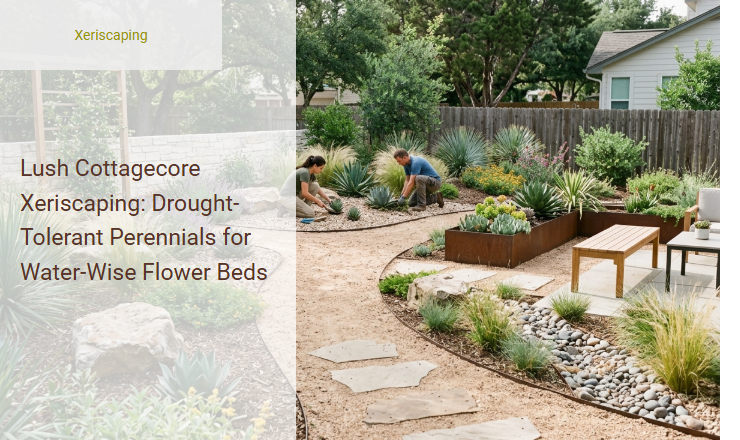
Gardeners dreaming of a romantic, overflowing cottage garden often find their ambitions thwarted by scorching summers and rising water restrictions. Maintaining those thirsty, delicate blooms can feel like a losing, costly battle against nature. However, adopting a water-wise approach doesn't mean sacrificing the whimsical, dense aesthetic of classic English borders. By marrying cottagecore charm with xeriscaping principles, you can design a resilient landscape that thrives on minimal moisture.
This sustainable strategy grants you a self-sufficient, breathtaking sanctuary that slashes utility costs while supporting local pollinators. Keep in mind, however, that "drought-tolerant" is not synonymous with "zero care"; these perennials require attentive watering during their first one to two seasons to properly establish their deep root systems.
Reliable, structure-building specimens like Lavandula (Lavender), Achillea (Yarrow), and Echinacea (Coneflower) serve as perfect proof that hardy plants can deliver soft, romantic textures. Below, we will explore the best drought-tolerant perennials, essential soil preparation techniques, and design layouts to help you curate your own water-wise cottage haven.
Read also: Peat Moss vs Coconut Coir for Moisture Retention
Embracing the Paradox: The Charm of Dry Cottage Gardens
For generations, the classic cottage garden has been associated with damp, misty climates and an endless supply of water. However, a romantic, overflowing aesthetic does not require water-guzzling plants. Enter cottagecore xeriscaping, a design movement that marries the whimsical, dense planting style of English countryside gardens with the ecological wisdom of water-wise gardening. By carefully selecting drought-tolerant species, homeowners can achieve a lush, sprawling sanctuary that thrives on neglect and minimal irrigation. Embracing low-water landscaping allows you to cultivate a sustainable paradise where romantic blooms spill over pathways and support local pollinators without straining local water resources.
Principles of Water-Wise Cottage Design
Creating a drought-tolerant cottage garden relies on clever spatial planning. The core of this approach is hydrozoning, the practice of grouping plants with similar water needs together to maximize irrigation efficiency. Instead of sparse, modern xeriscaping, cottage design demands a layered planting style, where tall background specimens, mid-sized perennials, and low groundcovers are packed closely to shade the soil and reduce evaporation. To maintain that classic, nostalgic feel, focus on a soft, romantic color palette dominated by pastels, dusty pinks, cool blues, and silvery-green foliage, which naturally reflects harsh sunlight while evoking a vintage dreamscape.
Structural Backbone: Drought-Tolerant Flowering Shrubs
To give your garden year-round shape and presence, you need resilient shrubs that offer both architectural form and beautiful blossoms. These woody plants serve as the anchors of your garden beds, providing a reliable green backdrop even during the hottest summer months.
- Butterfly Bush (Buddleja davidii): Known for its arching habit and cone-shaped flower spikes, it draws in butterflies and thrives in lean, dry soils.
- Rose of Sharon (Hibiscus syriacus): Offers a tropical, vintage look with large, cup-shaped blooms that appear in late summer when other plants fade.
- Rockrose (Cistus): A tough Mediterranean native featuring delicate, crepe-paper-like flowers and aromatic, resinous foliage that easily withstands drought.
Sun-Loving Perennials for Vintage Color
The true magic of the cottage aesthetic lies in the herbaceous perennials that bloom year after year with minimal intervention.
Yarrow
With its flat-topped flower clusters and feathery, fern-like foliage, Achillea is an indispensable workhorse. It thrives in poor, dry soil and comes in a variety of warm, sunset hues.
Lavender
The iconic scent and silvery spikes of Lavandula are essential for any romantic garden. This Mediterranean native prefers baking sun and sharp drainage, requiring almost no supplemental water once established.
Coneflowers
With their prominent central cones and drooping petals, Echinacea species bring a wild, meadow-like charm. They are exceptionally drought-tolerant and attract beneficial songbirds in the autumn.
Whispering Textures: Airy Grasses and Soft Foliage
A cottage garden should feel alive, reacting to every passing breeze. Integrating drought-tolerant ornamental grasses and billowy perennials introduces movement and softens the hard edges of garden structures. Mexican Feather Grass sways elegantly in the wind, while the hazy purple spires of Russian Sage create a romantic, soft-focus mist among your brighter flowers.
"To capture the true essence of a carefree cottage garden, weave tactile, wind-swept textures between your flowering perennials to mimic the effortless beauty of a natural meadow."
Tapestry Groundcovers: Creating a Living Mulch
In a dry cottage garden, bare soil is the enemy. By utilizing a dense carpet of low-growing, water-wise groundcovers, you create a living mulch that suppresses opportunistic weeds, retains vital soil moisture, and cools the roots of neighboring plants. Creeping Thyme and various species of Stonecrop are ideal for this purpose, knitting together to fill every crack and crevice with beautiful, low-profile textures.
Romantic Blooms for Dry Shade
The areas beneath mature trees or along north-facing walls are notoriously difficult to plant, combining low light with intense root competition for water. Fortunately, several cottage classics thrive in these challenging microclimates.
Coral Bells
Under the botanical name Heuchera, these plants are prized for their dramatic, ruffled foliage in shades of amber, plum, and lime, topped by delicate, airy flower wands that dance in the shade.
Cranesbill Geraniums
These tough, low-maintenance hardy cranesbills form dense mounds of deeply lobed leaves and cup-shaped blossoms, easily tolerating dry shade once their root systems find their footing.
Soil Preparation: The Foundation of Drought Resilience
The secret to a thriving dry garden lies beneath the surface. Proper soil preparation ensures that plant roots can grow deep enough to access moisture during dry spells.
- Incorporate organic matter: Mix compost into the soil to improve its moisture-holding capacity while still allowing excess water to drain away.
- Ensure excellent drainage: Amend heavy clay soils with organic grit or fine gravel to prevent waterlogged roots, which can be fatal to drought-tolerant plants.
- Apply a thick layer of organic mulch: Spread a 3-inch layer of bark mulch, leaf mold, or straw to insulate the soil and prevent evaporation.
Smart Irrigation: Watering for Deep Roots
While these plants are drought-tolerant, they still require conscious watering practices to establish their resilience. The goal is to encourage deep, robust root systems rather than shallow, weak ones. Using drip irrigation lines buried beneath your mulch delivers water directly to the root zone, minimizing evaporation loss. Additionally, incorporating rainwater harvesting systems, such as rain barrels, allows you to utilize natural precipitation to sustain your garden through the driest spells.
Always remember the golden rule of xeriscaping: water deeply and infrequently rather than giving light, daily sprinkles that keep root systems lazy and close to the baking surface.
Gentle Maintenance for a Wild, Lush Look
A cottagecore garden should look organic and slightly untamed, rather than manicured and rigid. Embracing a relaxed maintenance schedule actually benefits your plants and supports local wildlife throughout the year.
- Deadhead selectively: Remove spent blooms in early summer to encourage a second wave of flowers, but leave late-season seed heads for wild birds.
- Prune with a light hand: Shape your structural shrubs in late winter to maintain their natural, arching form instead of shearing them into unnatural spheres.
- Leave the winter debris: Allow hollow stems and fallen leaves to remain until spring, providing critical shelter for overwintering beneficial insects.
Summary
The article "Lush Cottagecore Xeriscaping: Drought-Tolerant Perennials for Water-Wise Flower Beds" explores how to beautifully merge the romantic, overflowing aesthetic of traditional cottage gardens with eco-conscious, low-water landscaping principles. It successfully challenges the misconception that water-wise gardening requires a sparse, desert-like design.
By strategically selecting resilient, drought-tolerant perennials-such as lavender, yarrow, coneflowers, Russian sage, and salvia-gardeners can design dense, colorful flower beds that thrive with minimal irrigation. The guide offers practical advice on essential xeriscaping techniques, including soil improvement, organic mulching, and smart companion planting to maximize moisture retention. Ultimately, this approach provides a sustainable roadmap for cultivating a vibrant, pollinator-friendly sanctuary that respects local water resources while maintaining a whimsical, nostalgic charm.
Leave a comment