
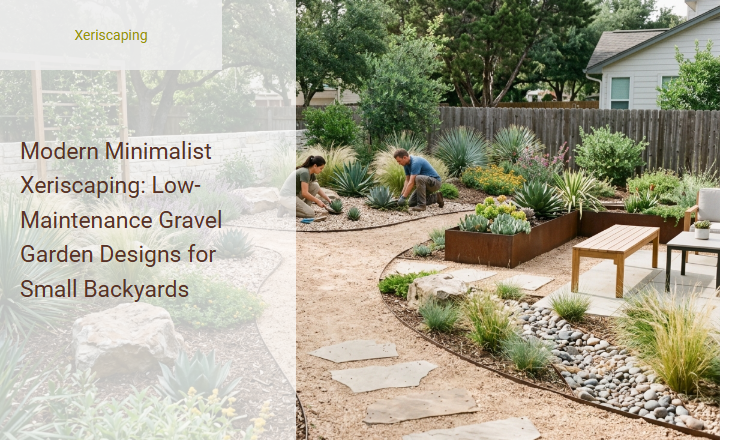
Homeowners with compact outdoor spaces often find themselves trapped in an exhausting cycle of watering, weeding, and mowing a struggling patch of turf. While a traditional grass lawn is long considered the default backyard standard, dense urban lots and shifting climate realities make maintaining these thirsty green carpets increasingly impractical.
Transitioning to modern minimalist xeriscaping grants you a sophisticated, architectural outdoor extension that slashes water bills and frees you from relentless weekend chores. However, true success requires a shift in perspective: low-maintenance does not mean zero-maintenance, as proper soil preparation and drainage planning remain essential first steps.
By pairing clean textures like charcoal slate chips or pea gravel with structural, drought-tolerant specimens such as Agave parryi and blue fescue, you can craft a striking, high-end sanctuary. This guide will walk you through essential design layouts, material selections, and step-by-step installation techniques to maximize your small backyard's potential.
Read also: Hydrozoning vs Random Planting for Resource Conservation
Introduction to Modern Minimalist Xeriscaping
In urban and suburban settings, small backyards often present a design challenge: how do you create a stylish, functional outdoor retreat without overcrowding the limited space? Modern minimalist xeriscaping offers a sophisticated solution. By moving away from thirsty turfgrass and embracing curated gravel gardens, homeowners can transform cramped yards into expansive, tranquil sanctuaries that harmonize with nature.
Gravel gardens serve as the cornerstone of this design philosophy, seamlessly blending ecological responsibility with a sleek, contemporary aesthetic. The clean lines, muted color palettes, and open expanses characteristic of minimalism create an illusion of space, making even the smallest courtyard feel deliberate, open, and undeniably modern.
The Core Benefits of Gravel-Based Gardens
Transitioning from a traditional lawn to a gravel-based xeriscape offers functional and economic advantages. These installations work in tandem with the environment while drastically reducing the time required for weekend chores.
- Water Conservation: Gravel acts as a natural mulch, reducing soil evaporation and retaining deep moisture, which cuts outdoor water consumption by up to 70%.
- Low Maintenance: Without a lawn to mow, edge, fertilize, or reseed, your maintenance routine is reduced to light, occasional tidying.
- Budget-Friendliness: Bulk aggregates and gravel are highly cost-effective to source and install compared to extensive wood decking, intricate masonry, or high-maintenance sod.
- Year-Round Visual Appeal: Unlike traditional gardens that turn brown and dormant in winter, gravel maintains its clean structure, color, and texture through all four seasons.
Designing the Layout for Small Spaces
Successful small-scale landscaping relies heavily on deliberate spatial planning. When working with limited square footage, every square inch must serve a visual or functional purpose.
Establish Geometric Zones
Divide your backyard into clear, functional zones using strong geometric lines. A rectangular seating area framed by sharp metal edging creates a sense of order, separating the active lounge space from peripheral planting zones.
Balance Positive and Negative Space
In minimalist design, empty space is as important as the physical elements. Allow open gravel expanses to act as "negative space" that gives your eyes room to rest, preventing the small yard from feeling cluttered.
Create a Single, Strong Focal Point
Instead of scattering multiple small features, focus on one dramatic element. A singular structural specimen plant, a sleek water feature, or a solitary boulder acts as an anchor that draws the eye and defines the garden's character.
Choosing the Perfect Gravel and Aggregates
The type, size, and color of your stone aggregate define the overall mood of your minimalist garden. Selecting a unified color palette ensures a cohesive and refined look.
- Pea Gravel
- Small, rounded stones that are comfortable to walk on. Available in warm beige and soft cream tones, they introduce a natural, organic warmth to modern layouts.
- Crushed Granite
- Angular stones that lock together to create a stable, slip-resistant walking surface. Often sourced in cool grays and charcoal, it provides a sharp, industrial-chic foundation.
- River Rocks
- Larger, smooth stones worn down by water. Best used sparingly in dry creek beds, around focal points, or as accent borders to break up flat gravel surfaces.
Soil Preparation and Weed Prevention
A long-lasting gravel garden depends entirely on the preparation work done beneath the surface. Skipping these crucial steps can lead to poor drainage and persistent weed invasions.
- Clear the designated area of all existing turf, weeds, and debris, excavating the soil to a depth of roughly 3 to 4 inches.
- Grade the subgrade away from your home's foundation to ensure proper surface water runoff.
- Amend the soil in designated planting pockets with organic compost and coarse sand to promote excellent drainage for drought-tolerant plants.
- Lay down a high-quality, woven, professional-grade landscape fabric over the entire area to suppress weeds while allowing water and air to penetrate the soil.
- Distribute your chosen gravel evenly across the barrier, maintaining a uniform depth of 2 to 3 inches.
Selecting Minimalist, Drought-Tolerant Plants
Plants in a minimalist design are treated like living sculptures. Rather than planting dense, colorful borders, choose a few striking specimens that stand out against the clean background of the gravel.

Incorporate structural plants like Agave, Blue Fescue, and Yucca. These varieties offer clean, architectural silhouettes. Pair them with wispy ornamental grasses that sway gently in the breeze, introducing movement and texture to offset the stillness of the stone.
Integrating Minimalist Hardscape Elements
To make your gravel garden truly functional, integrate hardscape elements that define paths and seating areas. This contrast of materials adds depth to the landscape.
Large, oversized concrete pavers or natural slate flagstones laid in a linear pattern create beautiful, floating walkways through the gravel. These flat surfaces offer a sturdy path for walking while emphasizing geometric, modern design lines.
"When combining stone and wood, aim for stark contrast. The warmth of a simple cedar deck set against cool-toned charcoal gravel instantly elevates the entire yard's design."
Low-Maintenance Care and Upkeep Tips
While a gravel garden requires far less attention than a traditional lawn, a regular maintenance routine keeps it looking pristine and deliberate.
Debris Removal: Use a leaf blower on a low setting or a lightweight rake to gently clear fallen leaves and twigs off the gravel surface before they decompose into organic soil.
Occasional Weed Control: Even with a barrier, windblown seeds can sprout in the gravel layer. Hand-pull these stragglers immediately, or spot-treat them with a natural horticultural vinegar solution.
Strategic Watering: Newly installed drought-tolerant plants need regular watering for their first year. Once their root systems are established in the soil beneath the gravel, you can gradually reduce watering to a bare minimum.
Illuminating Your Gravel Garden
A thoughtful lighting scheme transforms your minimalist garden into a dramatic, architectural space after sunset, highlighting textures that are easily missed during the day.
Position subtle, low-voltage LED uplights at the base of your structural plants or sculptural rocks to cast long, dramatic shadows against nearby walls. Avoid overhead floodlighting; instead, opt for shielded path lights that cast downward pools of light, keeping the atmosphere intimate and mysterious.
Embracing Sustainable Outdoor Living
Reimagining a small backyard through the lens of modern minimalist xeriscaping is more than an aesthetic upgrade; it is a commitment to sustainable living. By replacing resource-heavy grass with a curated landscape of gravel, stone, and resilient plantings, you create an outdoor room that honors the local climate.
The resulting oasis serves as a peaceful escape from the busy world, proving that we do not need to sacrifice style, luxury, or comfort to live in harmony with our environment.
Summary
This article explores the art of modern minimalist xeriscaping, offering practical inspiration for transforming limited outdoor spaces into stylish, low-maintenance sanctuaries. By focusing on gravel garden designs, the guide demonstrates how homeowners can significantly reduce water consumption and weekend upkeep without sacrificing contemporary aesthetic appeal. It highlights the strategic selection of various gravel textures, river rocks, and drought-tolerant flora-such as architectural succulents, ornamental grasses, and hardy lavender-to create depth and visual interest in tight spaces.
Readers will discover clever layout techniques tailored specifically for small backyards, including geometric pathways, defined seating zones, and minimalist focal points that make small areas feel larger. Ultimately, this article serves as an essential roadmap for eco-conscious homeowners wishing to create a sustainable, budget-friendly, and effortlessly beautiful backyard retreat that thrives with minimal daily intervention.
Leave a comment