
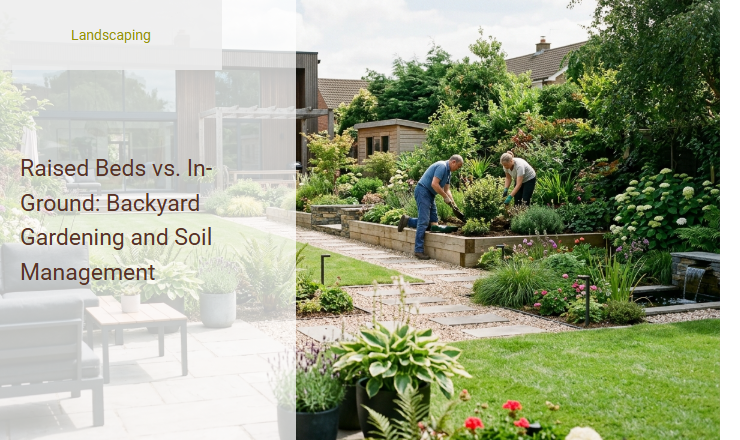
Deciding how to lay out a backyard garden often begins with a frustrating struggle: dealing with native soil that is heavily compacted, nutrient-depleted, or riddled with invasive weeds. Before selecting seeds or digging, gardeners must first evaluate their unique site topography and local microclimates.
Choosing the correct planting framework grants backyard growers unparalleled control over soil biology and drainage, ultimately maximizing seasonal crop yields. However, it is crucial to stipulate that neither method is a magic bullet; success depends on understanding that each system requires distinct irrigation strategies and maintenance workflows. For instance, while deep-rooted carrots thrive in the loose, customized soil mix of a raised bed, expansive crops like winter squash often perform better in-ground with targeted composting.
This article provides a comprehensive comparison of raised beds and in-ground gardening, analyzing soil management, upfront costs, and physical accessibility to help you design your ideal garden.
Introduction to Backyard Gardening Styles
For centuries, the act of planting seeds directly into the earth has sustained civilizations. However, modern backyard enthusiasts face a fundamental design and horticultural choice: do you cultivate the native earth beneath your feet, or do you build custom, elevated structures to house your crops? The debate between traditional in-ground gardening and raised bed systems is more than just an aesthetic preference. It dictates your daily physical effort, your watering schedule, and the overall productivity of your harvest.
Choosing the right cultivation style requires balancing environmental conditions with personal lifestyle needs. Whether you are dealing with stubborn native clay, seeking relief from back pain, or working with a strict budget, understanding the core differences between these two methodologies is the first step toward building a thriving backyard sanctuary.
Defining Raised Bed Gardening
Raised bed gardening involves growing plants in soil that is elevated above the natural ground level, typically enclosed by a protective frame. These structures can be constructed from a variety of durable materials, including rot-resistant cedar, galvanized steel, composite wood, or even repurposed masonry blocks. By elevating the growing area, this method creates clean, distinct boundaries in the backyard layout, offering an immediate visual appeal characterized by neat pathways, structured organization, and a highly manicured appearance that resists the encroachment of lawn grasses.
Exploring Traditional In-Ground Gardening
Traditional in-ground gardening represents the timeless practice of planting directly into the existing earth. This method dates back to the dawn of agriculture, relying entirely on the native landscape to sustain plant life. Rather than imposing artificial boundaries, in-ground plots celebrate an organic connection to native soil, allowing the root systems of crops to tap into deep, natural underground water reserves and geological mineral deposits. The supreme simplicity of this style means you bypass construction entirely, utilizing the natural contours of your yard to create a flowing, integrated agricultural space.
Soil Management and Composition in Raised Beds
One of the greatest advantages of raised beds is the absolute control you maintain over your growing medium. Because you fill the beds yourself, you can bypass poor native soil entirely and prevent soil compaction by never stepping on the growing area. To ensure optimal aeration, nutrient retention, and drainage, gardeners typically fill these structures with a premium, specialized substrate mixture.
An ideal ratio for filling raised beds includes:
- 50% High-Quality Topsoil: Provides the fundamental mineral base and structural support for plant roots.
- 30% Organic Compost: Delivers essential nutrients, introduces beneficial microbial life, and aids in moisture retention.
- 20% Coarse Vermiculite or Peat Moss: Ensures excellent aeration, lightens the mix, and prevents the medium from compacting over time.
Soil Management and Amendment for In-Ground Beds
Unlike the customizable luxury of raised beds, cultivating crops in-ground requires working with and systematically improving the existing native earth. Gardeners must actively address native challenges such as heavy clay, which suffocates roots, or sandy soil, which drains too quickly to retain nutrients. Restoring and maintaining native soil health is a continuous but highly rewarding biological process.
- Soil Testing: Analyze the native pH and nutrient levels to determine precise nutritional deficiencies.
- Organic Amendment: Spread a thick, three-to-four-inch layer of rich organic compost over the garden area to feed soil microbes.
- Gentle Aeration: Use a broadfork or light tilling to incorporate the compost into the top six inches of native soil without destroying natural soil structure.
- Cover Cropping: Plant winter cover crops like crimson clover or daikon radish to naturally break up compacted clay and fix nitrogen into the earth.
Water Dynamics: Drainage versus Moisture Retention
Water behaves fundamentally differently depending on the elevation of your planting area. Raised beds, due to their elevated nature and loose, porous soil mixes, offer exceptional drainage. Gravity pulls excess moisture down quickly, preventing roots from sitting in stagnant water. While this is ideal during periods of heavy rain, it means that raised beds dry out much faster, necessitating a more frequent and diligent watering schedule during hot summer months.
Conversely, in-ground plots excel at natural moisture retention. The vast, uninterrupted volume of the surrounding earth acts as a sponge, holding water deep below the surface. This allows deep-rooting vegetables to access moisture long after the topsoil has dried, reducing your overall irrigation needs and protecting crops during temporary droughts.
Soil Temperature and Microclimates
The thermodynamic properties of raised beds and in-ground gardens differ significantly, creating unique microclimates for root systems. Because raised beds sit entirely above the frost line and are exposed to warm ambient air on all sides, their soil warms up significantly faster in the early spring. This allows northern gardeners to plant cold-hardy crops weeks ahead of schedule. However, this same exposure means that raised beds freeze much faster in the winter, offering very little insulation for perennial root systems compared to the thermal mass of the earth.
"Studies in agricultural thermodynamics demonstrate that elevated growing structures can experience spring soil temperatures up to 8 to 15 degrees Fahrenheit warmer than surrounding native ground, accelerating seed germination but increasing the risk of rapid thermal cycling during late-season frosts."
In-ground beds, insulated by the surrounding planetary mass, maintain highly stable temperatures throughout the year. They resist sudden air temperature drops, providing a safe, insulated environment that keeps perennial crops protected from harsh winter freezes.
Ergonomics, Accessibility, and Pest Control
The physical demands of gardening vary wildly between these two styles. Raised beds can be constructed to heights of two to three feet, virtually eliminating the need for bending, kneeling, or stooping. This makes them highly accessible for individuals with mobility challenges, back issues, or joint pain. In-ground gardening, by contrast, demands constant physical engagement with the ground level, requiring kneeling, bending, and heavy lifting during planting and weeding cycles.
From a pest management perspective, raised beds act as a physical barrier. Their height deters crawling insects, while hardware cloth installed at the base can completely block burrowing pests like gophers and moles. In-ground plots are more vulnerable to underground burrowers and crawling insects, though they do benefit from hosting a more diverse array of natural soil predators, like ground beetles and beneficial nematodes, which naturally regulate pest populations.
Cost, Setup, and Longevity Analysis
Embarking on a gardening journey requires evaluating both upfront financial investment and long-term maintenance labor. While raised beds require a higher starting budget for structural materials and imported soil, they save labor in subsequent years. In-ground beds are incredibly cheap to start, but require continuous physical effort to keep weeds and compaction at bay season after season.
| Feature | Raised Bed Gardening | In-Ground Gardening |
|---|---|---|
| Initial Financial Cost | Moderate to High (Lumber, metal, screws, imported soil mix) | Very Low (Basic tools, compost, seeds) |
| Setup Labor | High (Construction, leveling, importing and mixing soil) | Low to Moderate (Sod removal, basic tilling or double-digging) |
| Longevity & Durability | Varies (Wood rots in 5-10 years; metal lasts 15+ years) | Infinite (The soil remains, though fertility must be maintained) |
| Weed Maintenance | Very Low (Invasive weeds are easily excluded and hand-pulled) | High (Constant encroachment of surrounding grass and wild weeds) |
Making Your Decision: A Tailored Gardening Path
Selecting the ideal cultivation method depends on aligning your physical needs, financial constraints, and backyard layout with the unique properties of each style. Neither method is objectively superior; instead, each serves a distinct gardening lifestyle and microclimatic condition.
To finalize your strategy, evaluate these primary factors:
If you face physical limitations, struggle with rocky or heavy clay soil, or desire an organized, visually clean backyard aesthetic, investing in raised beds offers an accessible, highly productive solution that minimizes weeding and bending. The initial setup cost pays dividends in ergonomic comfort and rapid spring warming.
If you are working with a limited budget, have access to high-quality native loam, or wish to farm a large, expansive area of land, in-ground gardening provides an unconstrained, deeply satisfying connection to the earth. It offers natural temperature insulation, superior drought tolerance, and an infinite lifespan with zero construction waste.
| Feature | Raised Beds | In-Ground Gardening |
|---|---|---|
| Initial Cost & Setup | High (lumber, hardware, imported soil, labor) | Low (uses native soil, minimal tools required) |
| Soil Control | Complete control over soil mix, texture, and nutrients | Dependent on native soil; requires ongoing amendments |
| Drainage & Temp | Excellent drainage; warms up faster in spring | Slower drainage; retains moisture longer; slower to warm |
| Weed & Pest Control | Minimal weeds; easy to install underground gopher barriers | High weed pressure; vulnerable to burrowing pests |
| Ergonomics | Highly accessible; less bending, kneeling, and back strain | Physically demanding; requires constant bending and kneeling |
| Water Retention | Dries out quickly; requires frequent, targeted irrigation | Retains natural moisture well; lower watering frequency |
| Flexibility & Scale | Fixed location and size; hard to expand cheaply | Highly scalable; easy to expand or redesign layouts |
Leave a comment