
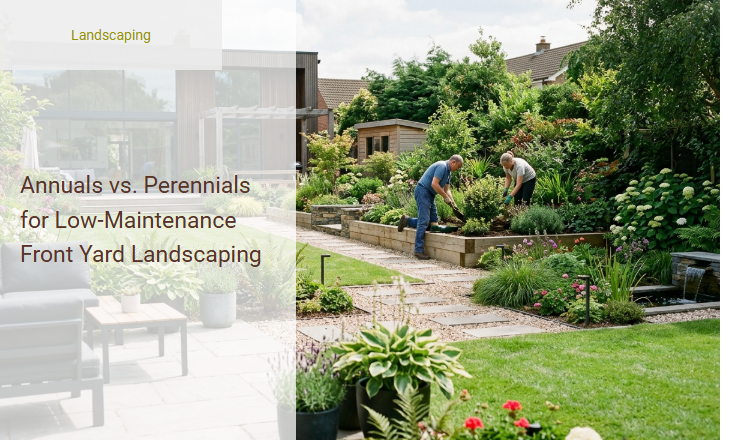
Many homeowners dream of a welcoming front yard but find themselves trapped in an endless cycle of weeding, watering, and replanting every weekend. Achieving vibrant curb appeal shouldn't feel like a demanding second job.
Before purchasing any greenery, it is crucial to understand how plant lifecycles dictate your long-term maintenance schedule. Striking the right balance between these botanical categories grants you a stunning, high-impact landscape while returning valuable hours of free time back to your weekends.
However, we must stipulate that "low-maintenance" is not synonymous with "zero-maintenance." While hardy perennials like Hostas offer reliable, year-after-year structure, strategically incorporating easy-care annuals like Marigolds provides instant seasonal color without demanding constant upkeep.
In this guide, we will analyze the key differences between annuals and perennials, outlining a practical framework to help you design a balanced, low-effort front yard that thrives with minimal intervention.
Introduction to Low-Maintenance Curb Appeal
Creating an inviting front yard doesn't have to mean spending every weekend pulling weeds or replanting delicate flowers. Homeowners seeking a beautiful, low-stress, and high-impact exterior often find themselves choosing between two main botanical categories: annuals and perennials. Achieving low-maintenance curb appeal relies on understanding how these two plant types work, allowing you to maximize visual impact while minimizing your physical labor.
Annuals: Instant Color with Seasonal Effort
Annual plants are species that complete their entire life cycle-from germination to seed production-within a single growing season. Because they must reproduce quickly, they channel their energy into producing vibrant, fast-growing color that lasts from spring until the first winter frost. While they offer unmatched brightness, the primary trade-off is that they will die off completely when cold weather arrives, requiring you to replant them every single year.
Perennials: The Long-Term Backbone of Your Yard
Perennial plants are the true survivors of the garden world, living for three or more years. Unlike their single-season counterparts, perennials go dormant in the winter and return each spring from their established root systems. These plants form the permanent, low-maintenance structural foundation of your front yard landscaping, growing larger and more robust with each passing year without requiring yearly replanting.
Maintenance Showdown: Annuals vs. Perennials
Watering and Weeding Requirements
Annuals typically have shallow root systems, meaning they require frequent watering, especially during hot summer days. Perennials, with their deep and established roots, are far more drought-tolerant once established. However, both require initial weeding to prevent nutrient competition.
Deadheading and Replanting Tasks
To keep annuals blooming, you will often need to practice deadheading-removing spent flowers to encourage new growth. At the end of the season, you must dig them up and discard them. Perennials require minimal deadheading, though they may need occasional pruning or division every few years, completely skipping the annual replanting chore.
Cost-Benefit Analysis: Short-Term vs. Long-Term Investment
At the garden center, annuals often seem like the more budget-friendly choice because of their low upfront cost per individual flat. Perennials, on the other hand, carry a higher initial price tag due to their maturity and longevity. However, because perennials return year after year and can often be divided to create new plants for free, they offer substantial long-term savings.
Investing in perennials pays compounding dividends; a single purchase provides years of beauty, while annuals require a recurring financial investment every spring.
Bloom Cycles and Curb Appeal Longevity
One of the most significant differences between these two categories lies in their blooming timelines. Annuals are engineered to bloom non-stop, offering continuous color throughout the entire warm season. Perennials have much shorter, distinct blooming windows that usually last only a few weeks. To maintain consistent curb appeal with perennials, you must strategically layer different species that bloom at different times of the year.
Top Low-Maintenance Annuals for Easy Color
If you want fast color without constant fuss, these resilient annuals are excellent choices for front yard borders and containers:
- Marigolds: Highly drought-tolerant pest-repellers that bloom in bright yellow and orange hues.
- Zinnias: Heat-loving flowers that thrive on neglect and attract pollinators with minimal watering.
- Sweet Alyssum: A carpet-forming annual that releases a sweet fragrance and requires almost no deadheading.
- Petunias: Modern wave varieties provide cascading color in containers without the need for constant pinching.
Top Low-Maintenance Perennials for Effortless Growth
For a reliable foundation that thrives year after year with little to no intervention, consider these tough perennials:
- Coneflowers (Echinacea): Native, drought-tolerant powerhouses that attract butterflies and survive harsh winters.
- Hostas: Excellent shade-loving foliage plants that require zero maintenance once established in damp soil.
- Black-Eyed Susans (Rudbeckia): Tough, summer-blooming wildflowers that spread easily and withstand intense heat.
- Lavender: A fragrant, evergreen perennial that thrives in poor, sandy soil with very little water.
The Golden Ratio: Combining Both for Peak Performance
The secret to an effortless front yard is not choosing one over the other, but rather striking the perfect balance. Landscaping experts recommend using a 70/30 structural ratio, where perennials make up seventy percent of your garden bed to establish a permanent, low-maintenance framework. The remaining thirty percent can be dedicated to annuals, placed in key focal areas like entryways or border edges, to provide high-impact, season-long color accents without overwhelming your schedule.
Final Verdict: Choosing the Right Path for Your Yard
Your ideal landscaping strategy depends on what you value most: immediate, long-lasting color or permanent, low-effort growth. If you enjoy seasonal hands-on gardening and want instant satisfaction, focus your budget on vibrant annuals. If you prefer to make a one-time investment of time and money for a garden that looks great year after year, invest in hardy perennials. Evaluate your budget, assess your available free time this weekend, and head to your local nursery to start building your dream curb appeal today.
| Comparison Feature | Annuals | Perennials |
|---|---|---|
| Lifespan | One growing season (dies completely in winter). | 3+ years (goes dormant in winter, regrows in spring). |
| Bloom Duration | Continuous from spring to frost (constant color). | Short bloom window (typically 2 to 6 weeks per year). |
| Maintenance | High (requires yearly replanting and frequent watering). | Low to Moderate (requires pruning and occasional division). |
| Financial Investment | Low upfront cost; high recurring annual expense. | Higher upfront cost; zero recurring cost (spreads naturally). |
| Front Yard Design Role | Instant curb appeal, pot/border fillers, flexible layouts. | Structural backbone, reliable green framework, seasonal succession. |
Leave a comment