
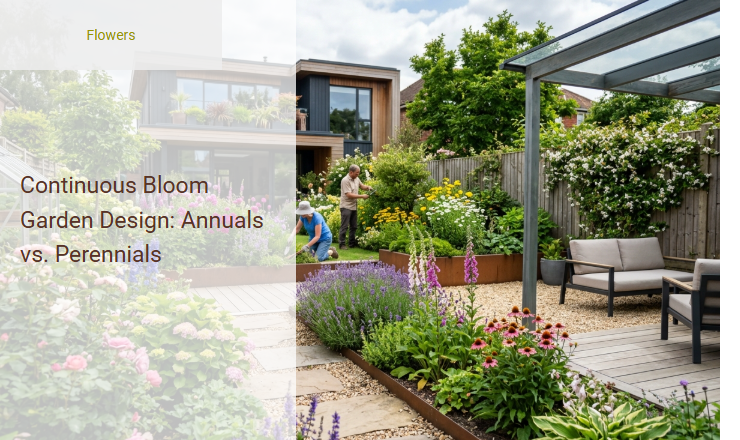
Many passionate gardeners struggle with the disappointing "mid-summer slump"-that frustrating period when a once-vibrant spring landscape suddenly fades into a dull, green monotony by August. Before introducing new plants, however, one must first understand how regional soil chemistry and seasonal light shifts dictate natural growth cycles. Mastering this baseline relationship grants you the ultimate reward: a self-sustaining, multi-textured canvas that elevates your property's visual appeal across all four seasons.
Note: Achieving this continuous display requires a disciplined assessment of your specific USDA Hardiness Zone and moisture levels, rather than relying on impulse nursery purchases.
For example, strategically pairing the intense, season-long energy of annual Petunias with the dependable, structural return of perennial Coneflowers (Echinacea) creates a flawless color transition. Below, we will analyze the unique strengths of both annuals and perennials, compare their long-term maintenance costs, and outline a step-by-step design blueprint for non-stop seasonal interest.
The Philosophy of the Ever-Blooming Garden
A garden should not be a fleeting spectacle that vanishes after a few short weeks of spring glory. Instead, the highest aspiration of landscape design is to create a dynamic, living tapestry that remains vibrant and engaging through every season of the year. The philosophy of the ever-blooming garden focuses on continuous interest, ensuring that as one wave of color fades, another rises to take its place. To achieve this perpetual motion, gardeners rely on the complementary relationship between two primary plant categories: annuals and perennials. By understanding how these groups work together, you can orchestrate a landscape that never truly goes dark.
Understanding Annuals: The Sprinters of the Garden
Annual plants are the true sprinters of the natural world, completing their entire life cycle-from germination to seed production-within a single growing season. Because they have only a few months to reproduce, they channel all their energy into producing rapid growth and abundant, showy flowers. These plants offer immediate, high-impact color that starts almost as soon as they are planted in the spring and continues unabated until the first hard frost of autumn. Relying on annuals allows you to fill garden beds with intense, saturated hues, making them invaluable for filling temporary gaps and providing a reliable, season-long floral display. Their ephemeral nature means they will not return the following year, but their brief presence is marked by an unmatched, continuous burst of energy and color that keeps the garden looking fresh and alive.
Understanding Perennials: The Long-Distance Runners
In contrast to the rapid-fire lifecycle of annuals, perennials are the steady, long-distance runners of the landscape. These enduring plants die back to the ground in winter but return year after year, slowly expanding and maturing over time. Because they do not need to complete their lifecycle in a single season, perennials invest heavily in establishing deeper, more robust root systems. This structural stability makes them highly resilient, allowing them to withstand drought, survive freezing temperatures, and anchor the garden's design. They serve as the permanent structural backbone of the garden, providing a dependable sense of place and architecture. While their individual bloom periods may be shorter than those of annuals, their reliable return and evolving form establish a sense of permanence and rhythm in the landscape.
Direct Comparison: Annuals vs. Perennials
| Feature | Annuals | Perennials |
|---|---|---|
| Lifespan | Single growing season | Multiple years (returns annually) |
| Bloom Duration | Continuous from spring to frost | Typically 2 to 6 weeks per season |
| Maintenance Needs | High (frequent deadheading, watering, and replanting) | Moderate (division, pruning, seasonal cleanup) |
| Initial Cost | Low per plant, but recurring every year | Higher per plant, but a long-term investment |
The Golden Rule of Sequencing Bloom Times
To achieve a seamless transition of color and texture, gardeners must master the art of bloom sequencing. This design strategy involves carefully planning and mapping out plant selections based on their specific flowering windows. Instead of planting species that all bloom simultaneously, you arrange a chronological hand-off where the fading beauty of one plant is immediately masked by the emerging brilliance of another. Successful sequencing relies on several key planning practices:
- Researching the precise blooming windows of your chosen varieties in your local climate zone.
- Layering early, mid, and late-season bloomers within the same planting beds.
- Using foliage plants to maintain visual interest during temporary transitional gaps.
- Grouping plants with overlapping bloom cycles to ensure a continuous chain of color.
Spring Awakening: Setting the Stage
The garden year begins with a burst of fresh energy as the soil warms. To kickstart this vibrant period, design a layered composition that pairs early-blooming perennial bulbs with hardy, cool-season annuals. Bulbs like daffodils, tulips, and crocuses pierce through the cold earth first, offering a welcome sight after winter. Alongside these returning favorites, plant cool-tolerant annuals such as pansies, violas, and snapdragons, which thrive in chilly spring temperatures. This combination ensures that even if a late frost strikes, your garden remains painted in rich, bright colors that define the start of the growing season.
Midsummer Peak: Maximizing the Sun
As the heat intensifies, the summer garden reaches its peak intensity, demanding plants that can thrive under the blazing sun. To maintain high-impact visual interest during these long, hot days, pair heat-tolerant annuals with resilient, long-blooming summer perennials. Combine annuals like zinnias, cosmos, and marigolds-which flourish in intense heat-with sturdy perennials such as coneflowers, black-eyed Susans, and salvia. This partnership ensures that your garden beds remain packed with dense color, utilizing the drought resistance and structural strength of established perennials to support the fast-growing, sun-loving annuals.
Autumn Transition: The Late-Season Finale
As summer fades, the garden does not have to lose its luster. The autumn transition focuses on sustaining warm, rich colors well into the cooler months. By incorporating late-blooming perennials such as asters, stonecrop sedum, and ornamental grasses, you introduce deep textures and structural interest that withstand chilly winds. Interplant these with frost-tolerant annuals like ornamental kales, cabbages, and late-season chrysanthemums to provide bold sweeps of color that endure even after the first light frosts arrive, keeping the landscape lively until winter sets in.
Cultural Practices for Prolonged Blooms
- Deadheading consistently: Regularly removing spent flowers prevents plants from setting seed, forcing them to redirect their energy into producing new buds and flowers.
- Nourishing the soil: Preparing beds with rich organic compost and applying balanced, slow-release fertilizers provides the constant stream of nutrients required for heavy blooming.
- Strategic watering: Utilizing drip irrigation or deep, infrequent watering at the soil level keeps root zones hydrated without promoting disease on damp foliage.
- Mulching beds: Applying a thick layer of organic mulch helps retain soil moisture, regulates root temperatures, and suppresses weeds that compete for vital resources.
Achieving the Perfect Garden Harmony
Creating a landscape that flourishes through every season requires a thoughtful marriage of temporality and permanence. By blending the immediate, tireless color of annuals with the reliable, structural depth of perennials, you construct an ecosystem that is both resilient and dynamic. This deliberate integration ensures that your outdoor space remains a source of beauty, wildlife support, and joy throughout the changing year. A well-planned garden is a living masterpiece that continues to evolve, rewrite, and beautify itself season after season.
| Feature | Annuals | Perennials |
|---|---|---|
| Bloom Duration | Continuous from planting until first frost. | Seasonal window (typically 2 to 6 weeks). |
| Lifespan | One growing season (must replant yearly). | Multiple years (returns each spring). |
| Color Strategy | Instant, high-intensity, non-stop focal points. | Successive blooms planned across different species. |
| Energy Allocation | All energy goes into immediate seed & flower production. | Energy conserved for root establishment and overwintering. |
| Maintenance & Cost | Low initial cost; high recurring annual labor and expense. | High initial cost; low long-term maintenance and division. |
| Role in Garden Design | Reliable gap-fillers for constant season-long brightness. | Structural backbone that dictates changing seasonal textures. |
Leave a comment