
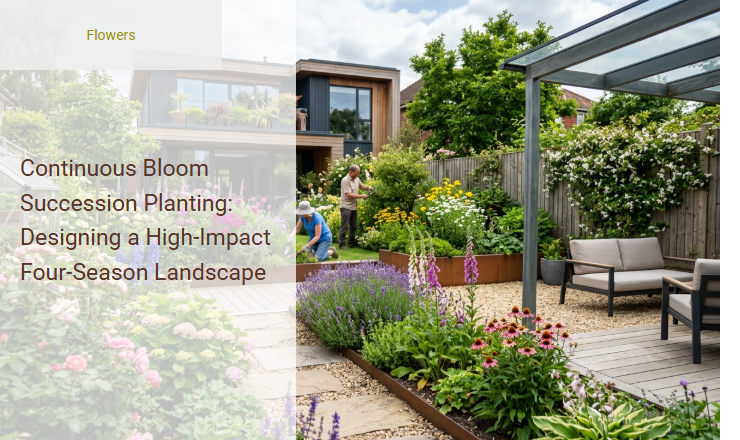
Many horticulturists and landowners struggle with the dreaded "mid-summer slump" or barren winter vistas, where vibrant spring colors quickly fade into a static, uninspiring landscape. Traditional garden designs often rely on single-season showcases, overlooking the critical transitional gaps between blooming periods.
Mastering continuous bloom succession planting solves this by granting your property uninterrupted aesthetic value and heightened ecological vitality year-round. However, achieving this seamless rotation requires precise site analysis and structured planning rather than simple plant replacement. Strategically pairing early-season anchors like winter-blooming Helleborus with robust late-summer performers like Echinacea establishes a reliable botanical sequence.
This guide will outline the essential design principles, cultivar selection strategies, and maintenance frameworks needed to construct a high-impact, four-season landscape.
Read also: Annuals vs Perennials for Constant Color
Foundations of Year-Round Color
Continuous bloom succession planting is the art and science of choreographing a landscape so that as one plant's flowers fade, another's begin to open. This method transforms the traditional garden-which often peaks in a single season-into a dynamic, living canvas that shifts gracefully through all four seasons. Rather than witnessing a sudden burst of spring color followed by months of static green, a succession-designed garden offers visual interest every single day of the year.
The benefits of this approach extend far beyond simple aesthetics. Psychologically, a year-round garden fosters a deeper connection to nature, offering restorative visual therapy and a daily reminder of seasonal rhythms. Ecologically, a continuous bloom cycle provides a steady, uninterrupted supply of pollen and nectar for bees, butterflies, and other vital pollinators, turning a standard backyard into a critical wildlife sanctuary.
Analyzing Your Garden's Microclimates
Before selecting any plants, you must thoroughly evaluate your garden's unique environmental conditions. These factors dictate which plants will thrive and how their bloom times might shift.
Macro and Micro Factors
- USDA Hardiness Zones: Establish your baseline temperature limits to ensure plants can survive your coldest winters.
- Soil Composition and Drainage: Test your soil texture-whether clay, loam, or sand-as heavy, wet soil can rot roots, while fast-draining soil requires drought-tolerant selections.
- Wind Exposure: High winds can dry out foliage and snap tall stems, necessitating windbreaks or sturdy, low-growing plants.
Shifting Seasonal Sun Patterns
Sunlight is not static. A spot that receives full sun in the summer when the sun is high in the sky might be cast in deep shade during winter and early spring due to low sun angles and neighboring structures. Map these light variations monthly to place plants where they will receive their required light hours during their active growing and blooming phases.
The Layers of Succession Design
To achieve a seamless transition of color and texture, successful gardens rely on structural layering. By arranging plants by height, you create depth and ensure that no plant is hidden from view when it reaches its peak performance.
The Height Hierarchy
Arranging plants requires a systematic approach from the tallest structural elements down to the ground level:
- Canopy and Understory Trees: These provide the high-level framework and filtered shade.
- Shrubs and Tall Perennials: Acting as the mid-tier backbone, they bridge the gap between trees and lower plantings.
- Mid-height Perennials and Grasses: These fill the body of the border with shifting seasonal colors.
- Groundcovers and Low Bulbs: These carpet the soil, suppressing weeds and providing the final layer of detail.
Applying Color Theory
Blending overlapping bloom cycles requires careful color coordination. Harmonizing adjacent colors-such as soft purples, pinks, and blues-creates a soothing transition. Conversely, pairing complementary colors like yellow and violet can inject vibrant energy into the garden during high-summer peaks.
Spring: The Awakening Canvas
The garden year begins with a subtle awakening, starting long before the last frosts have departed. By planning a sequence of early bloomer varieties, you can enjoy flowers while snow is still on the ground.
The Early Season Progression
- Minor Bulbs: The very first arrivals are minor bulbs like Galanthus (snowdrops) and Crocus, pushing through cold soil to signal the winter thaw.
- Spring Ephemerals and Hellebores: Soon after, wood anemones and winter-blooming hellebores display their durable, nodding blossoms.
- Mid-Spring Bulbs: Tulips, daffodils, and hyacinths burst forth in a vivid explosion of color, filling the borders.
- Early-Flowering Shrubs: Forsythia and fothergilla provide a structural, vertical display of blooms and sweet fragrances.
Summer: The High-Impact Peak
Summer brings long days and intense heat, requiring robust plants that can maintain their peak visual performance without faltering. The design focus shifts from delicate spring blossoms to bold, saturated colors and textured foliage.
Sustaining Mid-Season Brilliance
- Coneflowers (Echinacea): These tough perennials stand up to intense heat and dry conditions, offering daisies in shades of pink, orange, and white.
- Salvias: Providing spikes of deep blue, purple, and red, salvias attract pollinators and offer repeat blooms when deadheaded regularly.
- Hydrangeas: These dramatic shrubs fill the mid-to-late summer landscape with massive flower heads that slowly transition to vintage hues as they age.
Autumn: The Golden Finale
As summer's intensity fades, the autumn garden transitions to a rich, warm palette. Rather than winding down, this season can be a glorious climax of deep jewel tones, interesting textures, and graceful movements.
Late-Season Stars and Foliage
- Asters and Sedums: These tough perennials provide vital late-season pollen, blanketed in shades of purple, pink, and copper.
- Ornamental Grasses: Species like Miscanthus and Pennisetum catch the low autumn light, adding movement, soft textures, and golden plumes.
- Deciduous Shrubs: Many shrubs offer a second act with brilliant foliage changes, persistent berries, and architectural seed heads.
Winter: Structure, Bark, and Berries
Winter reveals the true skeleton of your garden design. When the soft foliage and bright petals are gone, the focus turns to form, texture, and subtle colors that stand out against gray skies or white snow.
Designing for the Coldest Months
- Evergreen structures like boxwoods, yews, and hollies provide solid shapes that anchor the garden beds.
- Colorful stems such as redosier dogwood twigs and peeling river birch bark offer striking structural color.
- Persistent berries on winterberry shrubs and dried coneflower seed heads provide texture and support overwintering wildlife.
Plant Selection: Natives and Cultivars
Creating a highly resilient garden requires a thoughtful balance between native species and cultivated plants. Native plants are deeply adapted to your local climate and soil, making them low-maintenance choices that are essential for supporting local birds and insects. However, incorporating select cultivars can enhance your design by introducing plants with longer bloom times, compact habits, and improved disease resistance.
By blending these two plant categories, you ensure that the garden remains vibrant and visually appealing for humans while remaining a highly functional habitat for local wildlife.
Maintenance for Continuous Performance
A garden with non-stop blooms does not happen by accident; it requires timely maintenance to keep plants healthy, vigorous, and productive throughout their cycles.
Essential Horticultural Tasks
- Pruning early-blooming shrubs immediately after they flower to promote next year's buds.
- Deadheading spent flowers regularly to encourage plants to produce new buds instead of setting seed.
- Enriching the soil with organic compost annually to supply nutrients for continuous flowering.
- Managing moisture through drip irrigation and mulching to keep plants unstressed during hot dry spells.
- Dividing overgrown perennials in early spring or autumn to maintain plant health and create new starts.
Embracing the Dynamic Garden
A four-season garden is not a static installation, but an ongoing partnership with nature. As the seasons progress, you will discover unexpected plant combinations, varying bloom times, and shifting patterns of light and shadow. Embracing this constantly evolving landscape is the true joy of succession design, turning your outdoor space into an active process of creative discovery.
By keeping a garden journal, you can track exact bloom dates, note areas that need more color, and plan minor adjustments for the following year. Over time, these small modifications will perfect your succession, resulting in a mature, resilient sanctuary that brings beauty and life to your home every single day of the year.
Summary
Continuous Bloom Succession Planting: Designing a High-Impact Four-Season Landscape offers a comprehensive guide to creating a dynamic garden that remains visually captivating throughout the entire year. The core philosophy centers on transition-focused design, where plants are meticulously selected and layered based on their sequential bloom times. Instead of a single peak season, this approach ensures a seamless handoff of color and texture from early spring bulbs to midsummer perennials, rich autumn foliage, and structural winter elements like evergreens and ornamental stems.
Beyond its striking aesthetic appeal, succession planting plays a vital role in ecological conservation. By establishing a continuous cycle of blooms, gardeners provide a dependable, year-round food source and habitat for local pollinators and wildlife. Ultimately, this sustainable design strategy transforms traditional landscapes into resilient, ever-changing ecosystems that offer beauty, structure, and ecological value in every season.
Leave a comment