
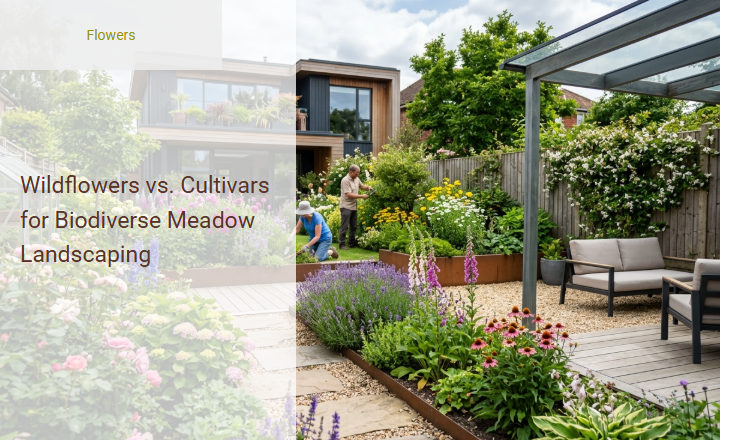
As eco-conscious landscaping gains momentum, many land managers struggle to convert static, high-maintenance lawns into thriving, biodiverse sanctuaries. Bridging the gap between aesthetic design and ecological function is rarely straightforward, as the commercial marketplace is flooded with competing botanical options. Successfully navigating this selection process grants you a resilient, self-sustaining ecosystem that dramatically reduces maintenance costs while actively supporting local wildlife.
However, an important educational stipulation must be managed: a visually stunning bloom does not always translate to a high-quality habitat. For example, while the wild Purple Coneflower (Echinacea purpurea) provides essential nectar for native bees, its highly modified cultivar 'Double Delight' features structural changes that restrict pollinator access entirely.
This article will analyze the critical distinctions between true native wildflowers and cultivated varieties, examine their differing impacts on local fauna, and provide a practical framework for selecting the optimal botanical mix for your project.
Introduction to Meadow Landscaping: Wildflowers vs. Cultivars
For decades, the pristine green turf lawn has stood as the default standard for residential and commercial landscapes. However, an ecological shift is underway as homeowners and land managers trade resource-heavy grass for the vibrant complexity of biodiverse meadows. These living tapestries conserve water, eliminate the need for synthetic chemical treatments, and rebuild damaged soils. As this sustainable movement grows, gardeners face a critical decision regarding their plant palette. The debate centers on whether to sow true native wildflowers-species that evolved naturally within a specific geographic region-or to plant cultivated varieties (cultivars and nativars), which are bred by humans for specific aesthetic or functional traits.
Understanding Native Wildflowers: Nature's Original Blueprint
Native wildflowers represent the original flora of a region, having evolved over thousands of years alongside local soil types, weather patterns, and wildlife. These plants are the biological cornerstone of their native ecosystems. Because they share a deep evolutionary history with regional fauna, they offer perfectly synchronized resources, such as nectar and pollen that emerge precisely when local insects hatch. Their survival mechanisms are highly refined; they have developed deep root systems to withstand intense droughts, natural chemical defenses to deter local herbivores, and an innate resilience to the seasonal extremes of their specific home range. Choosing these plants means preserving the biological heritage of the land.
What are Cultivars? The Role of Selective Breeding
Cultivars, short for "cultivated varieties," are plants that have been deliberately selected and bred by humans to highlight desirable characteristics. When these cultivars originate from native species, they are often referred to as nativars. Horticulturalists propagate these plants vegetatively via cloning-such as stem cuttings or division-to ensure that every new plant replicates the exact traits of the parent. Through selective breeding, growers can produce plants with vibrant new colors, highly sought-after double blooms that feature extra rows of petals, more compact or uniform growth habits, and enhanced resistance to common diseases like powdery mildew. While these traits make them highly appealing for tidy landscapes, they represent a significant departure from the wild genetics found in nature.
Pollinator Partnerships: How Plant Choice Impacts Local Wildlife
The relationship between native pollinators and wild plants is a highly specialized partnership. Many native bees, butterflies, and beetles have mouthparts, bodies, and nesting cycles designed to interact with specific wild flower shapes and blooming schedules. When we alter these plants, we risk disrupting this delicate ecological web.
The Impact of Altered Anatomy
Cultivated varieties often feature modified physical structures that pose challenges for local insects. For instance, cultivars bred for double blooms often convert their pollen-producing stamens into extra petals, leaving little to no pollen or nectar for visiting bees. Other modifications, such as altered leaf colors from green to purple or bronze, can change the chemical markers of the plant, making it unrecognizable or unpalatable to native butterfly caterpillars that rely on the foliage for food. Changes in flower color or tube depth can also prevent pollinators from detecting or physically reaching the food reserves within the flower.
Aesthetics and Control: The Visual Appeal of Cultivars in Managed Landscapes
While ecological purists favor wild species, cultivars offer distinct advantages when it comes to visual design and public acceptance. In urban and suburban settings, wild meadows can sometimes look unkempt or chaotic to the untrained eye. Cultivars provide a bridge between ecological intent and structured aesthetics by offering predictable growth habits and uniform heights. Gardeners can design with confidence, knowing a plant will not flop over or aggressively crowd out its neighbors. Many cultivars are also bred for extended blooming periods, ensuring that a garden maintains its vibrant color and manicured appeal from late spring through the first frost of autumn.
Genetic Diversity: The Key to Climate and Pest Resilience
The primary strength of wild native plants lies in their rich genetic diversity. Every seed in a wild-harvested population contains a unique combination of genetic material, much like individual humans. This diversity acts as an evolutionary insurance policy for the landscape. If an unusual drought, extreme winter freeze, or novel disease strikes, genetically diverse populations are highly likely to contain individuals with the specific traits needed to survive and reproduce. Conversely, because cultivars are typically cloned, an entire planting shares the exact same genetic weaknesses. If a pest or pathogen targets a specific vulnerability in a cultivar, it can quickly decimate the entire population, leaving the landscape bare.
Establishment and Maintenance: Comparing Long-Term Care Needs
Establishing a new planting requires careful planning, but the long-term maintenance needs of native wildflowers and cultivars diverge significantly once the plants are settled into their environment.
Native Meadow Maintenance
True native wildflowers require rigorous preparation to eliminate existing turf and aggressive weeds, as they can take several years to establish from seed. However, once their deep root systems are established, they require no supplemental watering, no synthetic fertilizers, and minimal mowing. They thrive in poor soils and self-sustain for decades with simple annual cutting.
Cultivar Garden Maintenance
Cultivars, often purchased as potted plants, establish much faster and offer immediate visual satisfaction. However, because they are often bred for showy displays rather than survival, they may require regular watering during dry spells, routine application of fertilizers to sustain their heavy blooms, and hands-on maintenance like division and deadheading to keep them healthy over time.
The Hybrid Approach: Designing a Harmonious and Functional Meadow
Property owners do not have to make an all-or-nothing choice between ecological integrity and visual order. A hybrid approach allows designers to curate a harmonious landscape by blending the two styles. You can plant highly structured, disease-resistant cultivars near walkways, entryways, and borders where a neat, manicured appearance is desired. Further into the interior of the property, you can transition into a diverse seed mix of true native wildflowers. This layout creates a clean visual frame that signals human care, while the wild interior provides high-quality habitat and forage for local wildlife, achieving a balance of form and function.
Sourcing Your Plants: Navigating Nurseries and Botanical Names
Finding genuine native plants requires looking past flashy retail marketing. Big-box nurseries often label plants as "native" when they are actually heavily modified nativars. To find true wild species, you must learn to read the botanical names on plant tags. A true native species is designated by its two-word scientific name, such as Echinacea purpurea. If you see a third name enclosed in single quotes, such as Echinacea purpurea 'Magnus', you are looking at a cultivar. To ensure you are buying genetically diverse, locally adapted plants, bypass commercial garden centers and source directly from specialized native plant nurseries or local conservation district sales.
Cultivating the Future: Making Informed Decisions for Your Eco-System
Transforming your landscape from a sterile lawn into a dynamic meadow is a powerful step toward healing local ecosystems. Whether you choose the rugged resilience of wild native species, the refined aesthetics of cultivars, or a thoughtful blend of both, your choice matters. By evaluating your personal aesthetic preferences, maintenance capacity, and ecological goals, you can select a customized plant palette that supports biodiversity while bringing lasting beauty to your home. Every step away from standard turf grass helps build a healthier, more vibrant planet.
| Comparison Metric | Native Wildflowers | Cultivars (Nativars) |
|---|---|---|
| Genetic Diversity | High. Grown from seed; broad gene pool allows adaptation to climate and soil changes. | Low. Vegetatively cloned for identical traits; lacks evolutionary flexibility. |
| Ecological Function | Optimal. Provides evolutionary matched pollen, nectar, and host tissue for native insects. | Variable. Altered flower shape (e.g., double blooms) or leaf color can restrict pollinator access. |
| Growth & Form | Dynamic. Varied heights and natural sprawl; mimics native plant communities. | Predictable. Uniform heights, compact habits, and unnaturally prolonged blooming periods. |
| Establishment & Cost | Cost-effective. Best established from bulk seed mixes directly sown over large areas. | Expensive. Must be purchased as individual container plugs; rarely available as viable seed. |
| Meadow Longevity | Self-sustaining. Readily self-seeds to naturalize and maintain the meadow indefinitely. | Short-lived. Often sterile, fails to self-seed, or reverts to wild-type genetics over generations. |
Leave a comment