
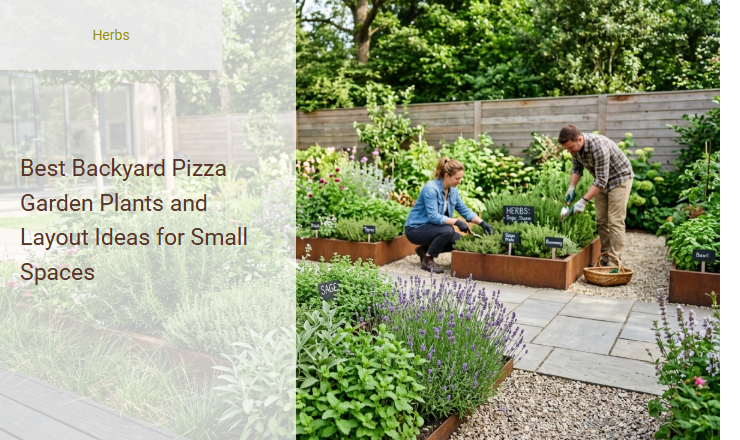
Craving the unmatched taste of artisanal, wood-fired pizzas but feeling restricted by a cramped backyard or modest balcony is a common frustration for home chefs. With the recent rise of high-quality outdoor pizza ovens, the desire for gourmet, scratch-made toppings has surged. Cultivating your own ingredients grants you access to unparalleled, sun-ripened flavors right at your doorstep, bypassing bland, store-bought alternatives.
However, successful cultivation in limited footprints stipulates strategic planning rather than sprawling acreage. Utilizing compact, high-yielding varieties-such as container-friendly 'Patio' Roma tomatoes and dwarf Genovese basil-proves that small spaces can yield abundant culinary harvests. To help you succeed, this guide outlines the best pizza garden plants and innovative, space-saving layout ideas designed to maximize your backyard's potential.
Read also: Greek Oregano vs Italian Oregano for Pizza Gardens
The Joy of a Small-Space Pizza Garden
Imagine stepping outside onto your balcony or patio and plucking sun-warmed cherry tomatoes, fragrant basil leaves, and spicy jalapeños to scatter directly onto your pizza dough. Creating a backyard pizza garden is a delightful way to transform even the most limited outdoor spaces into a culinary haven. You do not need rolling acres to cultivate gourmet toppings; a few well-placed pots can yield a bounty of ingredients.
Growing your own pizza toppings offers unmatched freshness, intense home-grown flavor, and the pure satisfaction of a fully customizable farm-to-table experience right at your doorstep.
Essential Herbs: The Aromatic Foundation
- Sweet Basil (Ocimum basilicum): This fast-growing herb thrives in small pots and requires pinching at the stems to promote a bushy, lush growth habit, ensuring you have continuous leaves all summer long.
- Greek Oregano (Origanum vulgare hirtum): A hardy, low-growing perennial that drapes beautifully over the edges of containers, providing a concentrated, spicy aroma perfect for pizza sauces.
- Rosemary (Salvia rosmarinus): An upright, woody shrub that can easily be kept compact with regular pruning, adding a robust, pine-like fragrance to gourmet white pizzas.
Compact Tomatoes for Perfect Pizza Sauce
Roma Tomatoes
Roma tomatoes are the classic choice for rich, thick pizza sauces due to their low water content and meaty texture. Determinate Roma varieties grow to a fixed size, making them highly manageable for small gardens and patio containers while still yielding a massive harvest all at once.
Tiny Tim Cherry Tomatoes
Tiny Tim is a true dwarf variety that excels in window boxes and small pots. Reaching only about 12 to 18 inches in height, these compact plants produce an abundance of sweet, juicy cherry tomatoes that add bursts of flavor when tossed fresh onto a hot pizza crust.
Colorful Peppers to Spice Up Your Layout
Compact pepper plants are as beautiful as they are delicious. Incorporating dwarf sweet bell peppers and jalapeños into your small-space garden layout provides structural variety and vibrant pops of red, yellow, and green. These plants remain naturally bushy and neat, making them ideal container companions.
Sweet bell peppers provide a mild, crunchy sweetness when roasted, while jalapeños add a fiery kick for those who prefer their pizza with a bit of heat. Their glossy foliage and bright fruits elevate the visual appeal of any patio display.
Companion Planting Secrets for Pizza Gardens
Companion planting is the art of growing different plants together for mutual benefit. In a tight pizza garden layout, maximizing space and plant health is crucial. Pairing the right plants together helps naturally deter pests, improves soil health, and can even enhance the flavor profiles of your harvest.
Pro Tip: Plant sweet basil directly alongside your tomato plants. Basil naturally repels pests like hornworms and thrips, while many gardeners swear that this proximity noticeably sweetens the flavor of the ripening tomatoes.
Vertical Layout Ideas for Tight Spaces
- Use wall planters mounted on sturdy fences or balcony walls to grow shallow-rooted herbs like oregano and thyme, keeping them at eye level for easy harvesting.
- Install compact trellises in larger pots to guide climbing determinate tomato vines upward rather than sprawling across valuable floor space.
- Hang hanging baskets from patio rafters to grow cascading cherry tomatoes or trailing rosemary, utilizing empty overhead space efficiently.
Creative Container Arrangements on Patios
Creating an aesthetic pizza garden on a patio involves grouping containers of varying heights to form a lush, tiered green space. Place taller tomato pots at the back, medium-sized pepper plants in the middle, and low-growing herb window boxes in the front. This arrangement ensures every plant receives adequate sunlight while remaining easily accessible for daily care.
The "Pizza Slice" Raised Bed Design
For those with a small yard or a larger patio space, the "Pizza Slice" raised bed is a whimsical and highly organized design. This layout utilizes a circular raised bed partitioned into six or eight wedge-shaped sections, mimicking the slices of a real pizza. Each slice is dedicated to a specific ingredient, creating a stunning visual map of your culinary toppings.
For optimal growth, plan a circular bed with a minimum diameter of 4 feet and a height of 12 inches. This size allows enough room for tomato vines in the center slices, and peppers and herbs in the outer wedges, making spatial planning incredibly simple and efficient.
Soil and Sunlight: Optimizing Small Spaces
Crowded container gardens require premium soil conditions to sustain high yields. Use a high-quality organic potting mix amended with compost to provide a rich supply of essential nutrients. Since container nutrients wash away with frequent watering, apply a balanced, slow-release fertilizer every few weeks to keep your fruiting crops thriving.
To ensure robust growth and bountiful harvests, your pizza garden must receive at least six to eight hours of direct sunlight daily. If your balcony or patio is partially shaded, position your tomatoes and peppers in the sunniest spots, as they require the most heat to ripen.
Harvest to Oven: Crafting Your Backyard Pizza
- Harvest herbs by pinching the stems just above a leaf node, which encourages bushier growth and prevents the plants from bolting.
- Pick tomatoes and peppers when they are fully colored and firm to the touch, ensuring the peak concentration of natural sugars.
- Roll out your favorite pizza dough, spread a rich sauce made from your stewed Roma tomatoes, and top with freshly grated cheese.
- Bake the pizza in a hot oven or outdoor pizza oven, adding your fresh basil leaves during the last minute of baking to preserve their bright, aromatic flavor.
Summary
Creating a backyard pizza garden is a delightful and efficient way to grow fresh, flavorful toppings even in the smallest outdoor spaces. This guide highlights the essential plants needed for the ultimate home-baked pizza, focusing on robust Roma tomatoes for rich sauces, fragrant herbs like basil and oregano, and versatile vegetables such as bell peppers, onions, and garlic.
To maximize limited space, the article explores creative layout ideas tailored for compact areas. Key strategies include using vertical planters for herbs, utilizing container gardening on patios, and designing a whimsical, circular "pizza slice" raised bed. By incorporating companion planting techniques, gardeners can naturally deter pests and boost crop yields. Ultimately, a small-scale pizza garden offers a sustainable, family-friendly project that brings the fresh taste of the garden directly to your kitchen table.
Leave a comment