
Many home pizzaiolos struggle to replicate the elusive, mouth-watering aroma of an authentic pizzeria, often watching their carefully crafted sauces fall flat despite using fresh garden herbs. Before planting, it is crucial to recognize that a successful pizza garden relies on matching precise botanical profiles to your specific culinary goals.
Mastering this cultivar selection grants you the power to engineer the perfect flavor balance directly from soil to slice. However, achieving this requires a basic stipulation: you must align your culinary preferences with your garden's physical microclimate. For instance, the pungent, spicy kick of Greek Oregano (Origanum vulgare subsp. hirtum) thrives under different environmental stressors than the milder, sweeter Italian Oregano (Origanum x majoricum).
In this guide, we will analyze the distinct flavor profiles, growth habits, and cultivation requirements of both cultivars to help you select the ideal herb for your backyard pizza oven.
Introduction to the Ultimate Pizza Herb Dilemma
For any backyard pizzaiolo, crafting the perfect pie is a labor of love that extends beyond the flour and water to the very herbs grown in your garden. While basil often steals the spotlight, the true backbone of a pizza's aromatic profile lies in the oregano you scatter over the sauce. Choosing the right cultivar can elevate a simple slice into a culinary masterpiece, sparking a delicious rivalry between Greek oregano and Italian oregano. Each herb brings a distinct personality to the wood-fired oven, forever changing how you balance flavor, acid, and cheese.
Botanical Origins and Characteristics
Understanding the botanical roots of these herbs explains why they behave so differently in the kitchen. Greek oregano, scientifically known as Origanum vulgare subsp. hirtum, is a true wild oregano native to the craggy, sun-baked hillsides of Greece. It exhibits a robust, bushy growth habit with hairy leaves and white flowers, thriving in harsh, dry environments. In contrast, Italian oregano is a sterile hybrid crossing common oregano (Origanum vulgare) with sweet marjoram (Origanum majorana). This hybridization results in a slightly trailing growth habit with smoother, lighter-green leaves and a more delicate physical structure, reflecting its gentler genetic heritage.
Greek Oregano: The Bold and Savory Classic
If you crave a robust, punchy aroma that instantly evokes a classic pizzeria, Greek oregano is your undisputed champion. This variety is celebrated for its intense, pungent, and earthy flavor profile, which leaves a lingering, slightly spicy warmth on the palate. The secret to this power lies in its exceptionally high concentration of carvacrol, an essential oil compound that acts as a natural flavor powerhouse. This heavy-hitting chemical profile ensures that the herb holds its own against acidic tomato sauces, smoky charred crusts, and heavy, rich cheeses, making it the perfect match for traditional, rustic pizzas.
Italian Oregano: The Sweet and Subdued Alternative
For pies that require a gentler touch, Italian oregano offers an elegant, refined solution. Inheriting the delicate, floral genes of its sweet marjoram lineage, this hybrid boasts a sweet, mild, and slightly herbaceous flavor profile. It lacks the aggressive, biting heat of its Greek cousin, instead delivering subtle hints of citrus and pine. This subdued nature makes Italian oregano incredibly versatile, ensuring it complements rather than overpowers delicate pizza toppings like fresh heirloom tomatoes, creamy ricotta, or thin ribbons of prosciutto.
Flavor Comparison: Greek vs. Italian Oregano
| Feature | Greek Oregano | Italian Oregano |
|---|---|---|
| Flavor Strength | Strong, pungent, and spicy | Mild, sweet, and subtle |
| Primary Chemical Compound | Carvacrol (high concentration) | Terpinen-4-ol and moderate carvacrol |
| Aroma | Earthy, intensely aromatic | Floral, citrusy, and herbaceous |
| Best Pizza Style | Rustic, heavy sauce, meat-forward pies | Delicate white pies, fresh Margherita |
| Heat Tolerance (Cooking) | High (retains flavor under high heat) | Moderate (best added late or post-bake) |
Cultivating for Flavor in Your Pizza Garden
Provide Maximum Sunlight
To coax out the rich essential oils that give these herbs their signature aromas, plant both cultivars in a spot that receives at least six to eight hours of full daily sunlight. Intense light triggers the synthesis of carvacrol and other flavor compounds.
Ensure Perfect Soil Drainage
These plants despise soggy roots, which dilute their flavor and invite rot. Utilize a sandy, gritty loam with a neutral to slightly alkaline pH, mimicking the dry Mediterranean hillsides where they naturally flourish.
Practice Deficit Watering
Avoid overwatering. Allowing the soil to dry out completely between waterings slightly stresses the plants, which encourages them to concentrate their flavor-packed essential oils rather than putting energy into watery leafy growth.
Harvesting and Pruning for Maximum Yield
- Harvest in the Morning: Clip your oregano stems in the early morning after the dew has evaporated but before the intense midday sun causes the volatile essential oils to dissipate.
- Target Pre-Bloom Stems: Cut the stems just as the flower buds begin to form. This is the precise moment when the leaves contain their highest oil concentration and peak flavor.
- Use the One-Third Rule: Never harvest more than one-third of the plant at a time. Leave behind plenty of node points to stimulate bushy, lateral regrowth for your next pizza night.
- Prune Regularly to Prevent Woody Stems: Pinch back the growing tips throughout the season to prevent the plants from becoming woody and to extend your fresh harvest window well into autumn.
The Pizza Sauce Showdown: Fresh vs. Dried
The choice between fresh and dried oregano, as well as the timing of its application, radically alters the final taste of your pizza. When constructing a slow-simmered pizza sauce, dried Greek oregano is the preferred option. The drying process concentrates the essential oils, and the long, warm cooking process coaxes out deep, savory notes without turning bitter. Conversely, fresh Italian oregano shines brightest as a post-bake garnish. Tearing the fresh leaves directly onto a hot, freshly baked pie allows the residual heat to gently release the herb's sweet, volatile oils, filling the air with a bright, herbaceous perfume that would otherwise be destroyed by the intense heat of a pizza oven.
Pairing Oregano with Classic Pizza Styles
Matching your herb variety to your pizza style creates a harmonious flavor profile on the plate. Choose Greek oregano when baking robust New York-style pizzas or garlic-heavy Neapolitan marinara pizzas, where the intense heat and rich tomato sauces require a bold, peppery counterpoint. On the other hand, reserve Italian oregano for delicate white pizzas topped with ricotta and garlic, or classic Margherita pizzas, where its sweet, subtle undertones elevate the creamy mozzarella and fresh tomatoes without overpowering the simplicity of the dish.
Designing Your Pizza Garden Layout
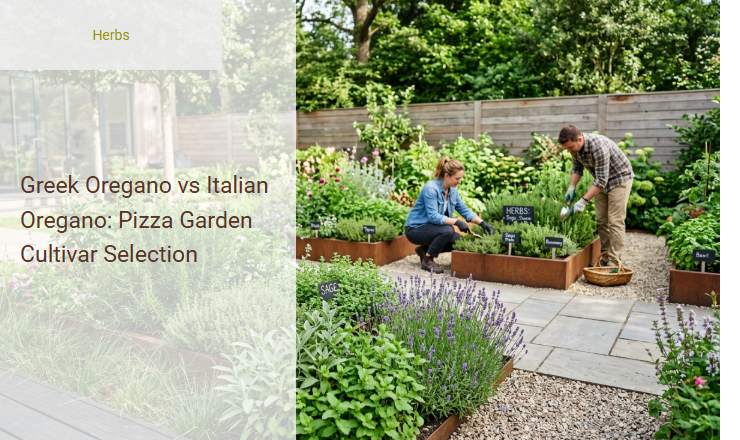
Creating a dedicated pizza garden bed requires a thoughtful layout that respects the ecological needs of each plant. Position your sun-loving, drought-tolerant Greek and Italian oregano on the dry, south-facing margins of the garden bed. This keeps them safe from the heavier watering needs of thirsty tomatoes and lush basil, which should be planted in the richer, moisture-retaining center of the plot. Garlic can be interspaced between the tomatoes to act as a natural pest deterrent. This tiered arrangement ensures that each plant receives its optimal microclimate while keeping all your essential pizza toppings within arm's reach.
| Feature | Greek Oregano (Origanum vulgare hirtum) | Italian Oregano (Origanum x majoricum) |
|---|---|---|
| Flavor Profile | Sharp, pungent, earthy, and peppery. Dominant. | Mild, sweet, and herbal with marjoram undertones. |
| Pizza Application | Simmered in heavy tomato sauces; used as a dried topping. | Grateful fresh post-bake; ideal for light/Margherita pizzas. |
| Heat Tolerance (Cooking) | High; flavor intensifies with cooking and drying. | Low; delicate oils dissipate quickly under high heat. |
| Growth & Hardiness | Hardy perennial (Zones 5-9). Prostrate/spreading habit. | Tender perennial (Zones 7-9). Larger, upright bushy habit. |
Leave a comment