
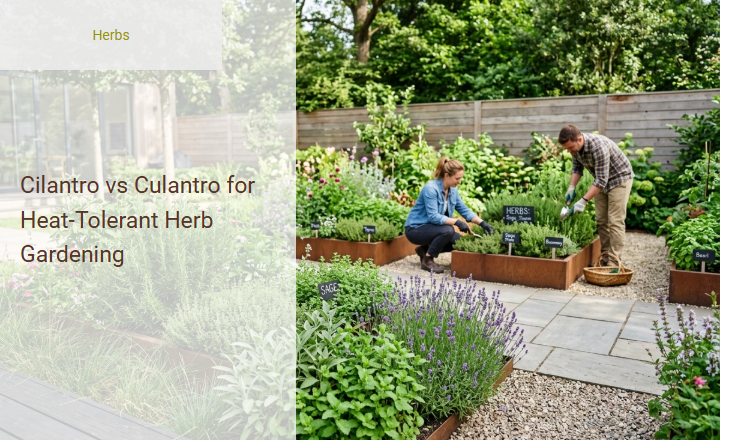
For many backyard growers, the onset of summer brings a familiar frustration: watching delicate cilantro rapidly bolt to seed, leaving herb gardens bare just as salsa season begins. To maintain a productive kitchen garden year-round, successful cultivators must look beyond traditional cool-season crops and adapt to shifting seasonal dynamics. Embracing climate-resilient alternatives grants gardeners the ultimate reward of an uninterrupted, vibrant harvest even during the hottest months of the year.
However, an important caveat must be established: while they share a nearly identical culinary profile, true cilantro (Coriandrum sativum) and its tropical counterpart culantro (Eryngium foetidum) are distinct botanical species with different needs. For example, while standard cilantro struggles and goes to seed when temperatures exceed 75°F, spiny-leafed culantro thrives in scorching 90°F+ heat. This guide compares their growth habits, flavor profiles, and cultivation requirements to help you optimize your summer herb garden.
The Summer Herb Dilemma: Cilantro vs Culantro
For many home gardeners and culinary enthusiasts, cultivating a steady supply of fresh herbs is a joyful cornerstone of the growing season. However, as the midsummer sun intensifies, a common frustration arises in the herb bed. Popular leafy greens that thrive in the gentle warmth of spring suddenly turn bitter, stretch upward, and go to seed, leaving backyard chefs without their favorite fresh ingredients.
This seasonal struggle is particularly notorious with cilantro, a staple of salsas, curries, and street tacos worldwide. Fortunately, there is a brilliant, heat-tolerant alternative that delivers the exact same beloved flavor profile without collapsing under the summer sun. Enter culantro: the robust, shade-loving powerhouse that steps up when cilantro steps down.
Understanding Cilantro: The Cool-Season Classic
Key Characteristics of Cilantro
Cilantro, known botanically as Coriandrum sativum, is a delicate annual herb belonging to the Apiaceae family. It is celebrated globally for its bright, citrusy, and herbaceous leaves, which are essential in Mexican, Indian, Middle Eastern, and Southeast Asian cuisines. The plant produces thin, fragile stems topped with deeply lobed leaves that closely resemble flat-leaf parsley.
Despite its association with warm-climate cuisines, cilantro is strictly a cool-season crop. It prefers daytime temperatures between 50°F and 70°F (10°C to 21°C). When environmental temperatures consistently exceed 75°F (24°C), the plant undergoes physiological stress, triggering a survival mechanism known as bolting. During bolting, the plant rapidly sends up a thick, central flower stalk, its leaves become sparse and bitter, and it focuses all its remaining energy on producing white flowers and coriander seeds.
Introducing Culantro: The Shade-Loving, Heat-Tolerant Powerhouse
For those determined to harvest fresh, herb-flavored leaves during the peak of July and August, Eryngium foetidum-commonly known as culantro-is the ultimate garden savior. Native to the tropical regions of the Americas and the Caribbean, this biennial herb has evolved to flourish in hot, humid, and damp environments. Unlike its fragile look-alike, culantro boasts thick, lance-shaped, serrated leaves that grow in a low-lying rosette pattern, giving it an appearance similar to a miniature agave plant or dandelion.
Culantro is a staple in Caribbean, Latin American, and Asian culinary traditions, where it goes by regional names such as *recao*, *ngo gai*, fitweed, or thorny coriander. Its natural habitat is the forest floor, making it highly unique among culinary herbs for its ability to thrive in partial to deep shade. Because it welcomes high humidity and scorching summer temperatures, it remains productive and leafy when other herbs have long withered away.
Flavor Profiles: Subtle Differences in Culinary Impact
While cilantro and culantro share a very similar chemical compound profile-specifically aliphatic aldehydes, which give both herbs their signature aroma-their culinary impact is distinct. Cilantro offers a light, refreshing, and decidedly citrusy flavor with a subtle hint of pepper. Because its volatile oils dissipate rapidly when exposed to heat, cilantro is almost always added at the very end of cooking or used raw as a garnish to preserve its delicate, bright, and clean characteristics.
In contrast, culantro features a much more concentrated, robust, and earthy herbal profile. It is essentially cilantro in high-definition. Its tough leaf structure holds onto its aromatic compounds beautifully, allowing it to withstand long simmering times without losing flavor. When added to stews, curries, and slow-cooked beans, culantro infuses the dish with a deep, savory, and savory-pungent depth that cannot be achieved with cilantro alone.
Botanical Differences: Delicate Fronds vs. Spiky Leaves
To the untrained eye, the names might sound nearly identical, but a physical comparison reveals two completely different plants. Identifying them correctly ensures proper placement in the garden and correct handling in the kitchen.
Here is a side-by-side comparison of their physical traits:
- Cilantro (Coriandrum sativum): Features delicate, thin, and feathery leaves on slender stems, growing in a bushy upright habit up to 2 feet tall.
- Culantro (Eryngium foetidum): Features long, thick, strap-like leaves with sharp, serrated edges that grow in a low, ground-hugging rosette.
- Cilantro Flowers: Clusters of tiny, lacy white or light-pink flowers that appear quickly in warm weather.
- Culantro Flowers: A central, cone-shaped spiky green flower head surrounded by sharp bracts, which appears much later in the season.
Heat Tolerance: Why Culantro Dominates the Summer Garden
The stark difference in heat tolerance between these two herbs comes down to their evolutionary origins. Cilantro is native to Western Asia and the Mediterranean, adapted to mild, wet winters and dry summers, which prompts it to quickly complete its life cycle and set seed before the dry season peaks. High temperatures signal to the cilantro plant that its time is running out, causing it to bolt.
Culantro, coming from tropical rainforest understories, is biologically geared to handle constant warmth and moisture. Instead of rushing to seed under the summer sun, it continues to put out heavy, green foliage. This makes culantro a reliable, low-maintenance producer during the muggiest summer months.
Summer Garden Tip: When the heat rises, plant your culantro under the shade of larger garden crops, like tomatoes or peppers. This mimics its natural forest-floor habitat, keeping the leaves tender and delay-free.
Tips for Growing Cilantro in Warm Climates
If you still wish to grow classic cilantro during the warmer months, you will need to implement specific strategies to outsmart the weather. It requires diligent management to delay bolting as long as possible.
- Select Bolt-Resistant Varieties: Look for specific cultivars bred for heat tolerance, such as 'Slo-Bolt', 'Santo', or 'Calypso', which can last up to several weeks longer than standard varieties.
- Provide Afternoon Shade: Position your cilantro where it receives morning sun but is shielded from the harsh, direct rays of the afternoon.
- Apply Deep Mulch: Lay a thick layer of organic mulch, such as straw or shredded leaves, around the base of the plants to keep soil temperatures cool and retain moisture.
- Water Consistently: Avoid letting the soil dry out, as moisture stress is a direct trigger for the plant to bolt.
By mimicking cool spring conditions through shading and soil cooling, you can successfully extend your fresh cilantro harvest well into the early summer.
How to Grow and Harvest Culantro Successfully
Planting and Care
Culantro is best started indoors from seed, as the seeds are tiny and can take up to 25 days to germinate. Sow them on the surface of moist, well-draining seed-starting mix, pressing them in lightly without burying them, as they require light to sprout. Once established, transplant them into a spot in your garden that receives partial to full shade. Keep the soil consistently moist but never waterlogged; adding organic compost will help retain the structure and moisture culantro loves.
Harvesting Techniques
Harvesting culantro is highly rewarding and straightforward. Always harvest the outermost, oldest leaves first by cutting them close to the base of the plant. This encourages the central crown to continue producing fresh, tender leaves. If the plant attempts to send up its spiky, central flower stalk, pinch it off immediately at the base to keep the focus on leaf production and maintain a sweet, non-bitter flavor.
Culinary Substitution: How to Swap Cilantro and Culantro
Because culantro's flavor profile is so concentrated, you cannot swap them on a simple one-to-one basis. Using too much culantro in a dish can easily overpower other ingredients. Additionally, because of its tough, fibrous texture, culantro yields best results when cooked into a dish, whereas cilantro is usually chopped raw.
When substituting one for the other, use the guide below to balance the flavors in your recipes:
| Desired Herb | Substitute Herb | Conversion Ratio / Method |
|---|---|---|
| 1 Cup Fresh Cilantro (Raw) | Culantro (Raw) | Use 1 to 2 fresh leaves of culantro, chopped very finely to break down the tough fibers. |
| 1 Cup Fresh Cilantro (Cooked) | Culantro (Cooked) | Use 3 to 4 leaves of culantro, added early in the cooking process to allow the fibers to soften. |
| 1 Tablespoon Culantro (Cooked) | Cilantro (Cooked/Raw) | Use 1/2 cup of fresh cilantro, added only during the final 2 minutes of cooking. |
Conclusion: Choosing the Best Herb for Your Garden Bed
Navigating the summer heat does not mean you have to sacrifice the vibrant, fresh flavors of your favorite dishes. By understanding the biological strengths of both herbs, you can design a garden that provides a seamless, year-round harvest. Plant delicate cilantro during the cool, refreshing days of autumn and spring, and transition to hardy, robust culantro as the summer heat sets in.
By embracing both of these culinary gems, you can keep your kitchen stocked with that signature zesty flavor profile no matter how high the thermometer climbs. Your salsas, curries, and summer stews will thank you.
| Feature | Cilantro (Coriandrum sativum) | Culantro (Eryngium foetidum) |
|---|---|---|
| Heat Tolerance | Very low; bolts (goes to seed) rapidly above 75°F (24°C). | Excellent; thrives in hot, humid tropical climates. |
| Flavor Intensity | Mild, citrusy, and fresh; degrades quickly when cooked. | Highly concentrated; retains strong aroma and holds up to high-heat cooking. |
| Optimal Sun Exposure | Requires afternoon shade in hot climates to delay bolting. | Prefers partial to full shade, which keeps leaves tender. |
| Growth Habit & Lifespan | Fast-growing, delicate annual; requires frequent successional planting. | Slow-starting biennial or short-lived perennial; provides a continuous, long-term harvest. |
| Physical Texture | Thin, fragile, parsley-like leaves; wilts quickly in dry heat. | Thick, tough, serrated lance-shaped leaves; highly resistant to wilting. |
Leave a comment