
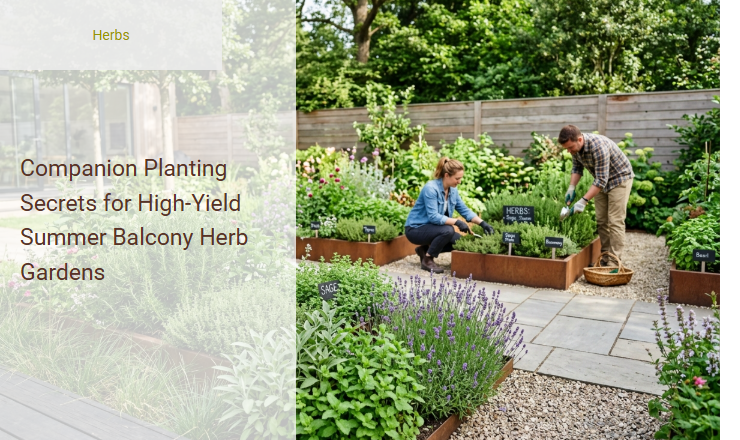
Many urban gardeners struggle with sparse, yellowing herbs and persistent pests on their summer balconies, often feeling limited by cramped pots and harsh, concrete microclimates. Before investing in expensive chemical fertilizers, it is crucial to understand that container-bound plants lack the self-regulating ecosystems of open ground soil.
By unlocking the symbiotic power of companion planting, you can naturally double your harvest and deter destructive insects. However, achieving these high yields requires a basic stipulation: success is not about merely crowding plants together, but carefully managing root depth, sunlight, and moisture compatibility within confined spaces.
For example, pairing moisture-loving sweet basil with heat-tolerant peppers creates a natural, moisture-retentive canopy, while planting trailing thyme beneath upright rosemary maximizes vertical space. In this guide, we will analyze the science of container synergy, outline the ultimate summer herb pairings, and provide a step-by-step layout for your high-yield balcony garden.
Read also: Cilantro vs Culantro for Hot Climates
Section 1: Maximizing Small Spaces with Companion Planting
Summer brings the perfect opportunity to transform your limited balcony into a lush, aromatic oasis. For urban gardeners, the main challenge is always space. Fortunately, companion planting offers an elegant solution to maximize your harvest. By intentionally grouping mutually beneficial herbs together in the same containers, you can create a self-sustaining ecosystem that thrives even in tight quarters.
This ancient agricultural method optimizes the spatial and nutritional resources of your balcony. Instead of growing single herbs in isolated pots, pairing complementary varieties allows you to utilize every inch of soil and air space. Boosted yields, improved flavors, and healthier plants are just a few of the rewards you will reap by implementing this smart gardening strategy during the warm summer months.
Section 2: How Companion Planting Works on a Balcony
To succeed with balcony gardening, it is essential to understand the underlying science of how plants interact. Container environments are highly concentrated ecosystems. In these small spaces, companion plants work together by creating favorable microclimates. For instance, taller, sun-loving herbs can provide gentle shade to lower-growing, delicate plants, protecting them from the harsh midday summer sun.
Beyond physical shelter, companion planting excels at pest deterrence. Many aromatic herbs produce volatile organic compounds that mask the scent of host plants or actively repel unwanted insects. Additionally, root systems can engage in nutrient sharing and dynamic biological interactions beneath the soil, making the uptake of water and vital minerals much more efficient for all roommates in the pot.
Section 3: Choosing the Right Containers and Soil
The foundation of a thriving balcony herb garden lies in the physical home you provide for your plants. Because companion herbs share confined spaces, selecting the proper containers and high-quality soil is non-negotiable for preventing root rot and ensuring long-term health.
When selecting your gear, prioritize the following guidelines:
- Select pots with ample drainage holes to prevent standing water at the root level.
- Choose deep containers that offer at least twelve inches of soil depth to accommodate multiple root systems.
- Opt for lightweight, breathable materials like terracotta or fabric pots for optimal aeration.
- Fill containers with a premium, organic potting mix formulated specifically for container vegetables and herbs.
Section 4: The Ultimate Duo: Basil and Oregano
A Sun-Loving Match Made in Heaven
If you want to start your companion planting journey with a guaranteed success, look no further than the combination of sweet basil and oregano. These two culinary powerhouses are natural allies that thrive under the exact same environmental conditions. Both herbs require six to eight hours of direct sunlight daily and prefer warm, summer temperatures to fuel their rapid growth.
Planting them together in a single large container encourages a symbiotic relationship. Basil grows upright, reaching for the sky, while oregano forms a low, bushy ground cover that shades the soil, keeping the root zone cool and reducing water evaporation. This structural harmony results in vigorous growth and intensely flavorful leaves for both plants.
Section 5: Rosemary and Thyme: The Drought-Tolerant Partners
Thriving in the Mediterranean Heat
For hot, south-facing balconies that receive intense summer heat, rosemary and thyme are the ideal partners. These woody, Mediterranean herbs have adapted to thrive in nutrient-poor, dry soils. Planting them together creates an incredibly low-maintenance setup because they share a strong aversion to overwatering, which is the most common cause of plant failure in container gardening.
Both rosemary and thyme require excellent drainage and minimal watering to prevent root rot. They develop rich essential oils under slightly stressful, dry conditions, making their foliage exceptionally aromatic. By pairing them, you create a beautiful, aromatic arrangement that handles the summer heatwaves with effortless ease.
Section 6: Moisture-Loving Matches: Mint, Parsley, and Chives
Managing High Water Needs in Summer
While some herbs prefer dry conditions, others require consistent moisture to prevent them from wilting and turning bitter. Grouping moisture-loving herbs together is a smart strategy, particularly during the peak of summer when containers dry out rapidly. Utilizing a self-watering planter is highly recommended for this group to keep the soil evenly damp.
The ideal moisture-loving cohort includes:
- Spearmint or Peppermint (kept in its own sub-container to control spreading)
- Italian Flat-Leaf Parsley
- Garlic Chives or Common Chives
Section 7: Natural Pest Repellers for Your Herb Garden
Harnessing Aromatic Defense Systems
Pests like aphids, spider mites, and whiteflies can quickly overwhelm a small balcony garden. Instead of resorting to harsh chemical pesticides, you can use the power of aromatic companion plants to create a natural, protective shield around your vulnerable herbs.
By interplanting highly aromatic herbs throughout your balcony space, you disrupt the visual and chemical cues that pests use to locate their preferred food sources. This organic defense mechanism keeps your plants healthy and ensures your herbs remain safe to harvest and consume straight from the stem.
Section 8: Vertical Layering for Maximum Yield
When horizontal floor space is tight, the only way to expand your herb garden is up. Vertical layering is a highly productive companion planting technique that mimics natural forest structures by organizing plants based on their height, growth habits, and light requirements.
To implement vertical layering effectively on your balcony, consider these structural combinations:
- Plant tall, upright herbs like dill or fennel in the center or back of the container to act as the canopy layer.
- Surround the base with mid-sized, bushy herbs like cilantro or bush basil to fill the middle tier.
- Underplant with low-growing, trailing herbs like creeping thyme to spill over the edges, conserving soil moisture and utilizing the lowest layer.
Section 9: Critical Mistakes to Avoid
Not all herbs make good neighbors. Pairing incompatible plants in the same container can lead to stunted growth, root competition, or the death of one or both species. To ensure a successful harvest, you must be strategic and avoid common planting mismatches.
Never plant these combinations together in the same pot:
- Invasive Mint with anything else: Mint spreads rapidly via aggressive underground runners and will quickly choke out the roots of neighboring plants.
- Drought-lovers with moisture-lovers: Pairing rosemary with moisture-loving parsley will result in either dry, dead parsley or rotten rosemary roots.
- Crowded root systems: Packing too many aggressive growers into a tiny pot starves all plants of essential nutrients and water.
Section 10: Your Summer Maintenance and Harvesting Guide
A successful companion-planted balcony garden requires a consistent maintenance routine to support heavy summer growth. Because multiple plants are sharing nutrients and water in a confined space, attentive care is the key to sustaining high yields. Checking your soil daily is crucial, especially during heatwaves, as container soils dry out rapidly under direct sunlight.
To keep your herbs productive, apply a diluted organic liquid fertilizer every two weeks to replenish lost nutrients. When harvesting, use sharp shears and never remove more than one-third of the plant at a time. This regular pruning stimulates fresh, bushy growth and prevents the plants from flowering, ensuring a continuous supply of aromatic leaves all summer long.
Summary
Transform your limited outdoor space into a lush, productive oasis with the power of companion planting. Companion Planting Secrets for High-Yield Summer Balcony Herb Gardens provides a comprehensive guide to maximizing your small-space harvest by strategically pairing mutually beneficial herbs. By grouping plants with compatible sunlight and watering needs-and utilizing natural pest-repellent duos like basil and tomatoes-balcony gardeners can naturally boost plant health, vigor, and flavor.
The article explores essential vertical gardening techniques, container selection, soil optimization, and the science behind symbiotic plant relationships. Learn how to deter common pests, attract beneficial pollinators, and create a self-sustaining microclimate right on your balcony. Whether you are a beginner or an experienced urban gardener, these actionable secrets will help you cultivate a thriving, high-yield culinary herb garden all summer long.
Leave a comment