
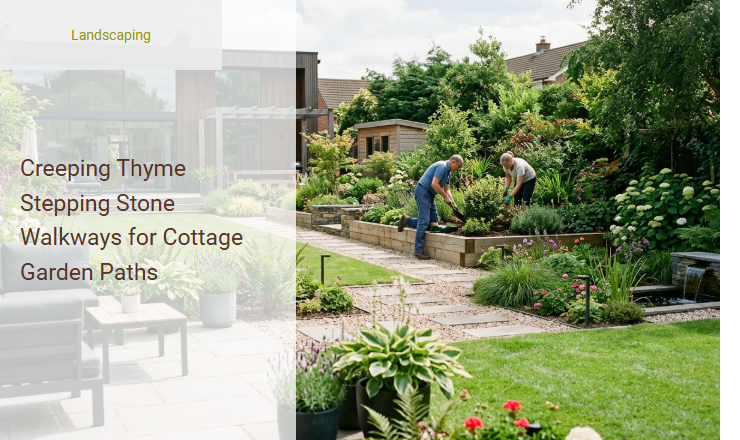
Traditional garden paths often present a frustrating maintenance paradox: rigid concrete feels sterile, while gravel and dirt walkways inevitably succumb to relentless weed growth and erosion. Integrating a living ground cover like creeping thyme between stepping stones elegantly bridges this gap, granting your landscape a soft, aromatic, and self-healing walkway that actually thrives under light foot traffic.
However, achieving this romantic cottage aesthetic requires a fundamental understanding of soil drainage and sunlight; these resilient Mediterranean herbs demand specific planting conditions to prevent root rot. Utilizing proven, hardy varieties such as Red Creeping Thyme (Thymus serpyllum) or Woolly Thyme ensures dense, vibrant coverage that successfully crowds out weeds.
In this comprehensive guide, we will outline the essential steps for soil preparation, stone layout, variety selection, and seasonal care to help you design a beautiful, enduring sensory path.
Read also: Gravel vs Stepping Stones for Garden Paths
The Magic of Creeping Thyme Stepping Stone Paths
Imagine stepping onto a garden path where every footstep releases a wave of sweet, herbal fragrance. Creeping thyme stepping stone walkways transform ordinary garden passages into enchanting journeys, seamlessly blending hard landscaping with soft, living foliage. This classic design choice enhances the whimsical, rustic aesthetic of a cottage garden, creating a tapestry of color and texture that feels deeply integrated into the earth.
As you wander through the garden, the delightful earthy fragrance released by crushed leaves fills the air, while the soft, cushiony texture underfoot softens the transition between hard stone and wild garden beds. It is a sensory experience that invites visitors to slow down and appreciate the natural world.
Why Creeping Thyme is the Perfect Path Companion
Creeping thyme is more than just a beautiful groundcover; it is a highly functional partner for stone pathways. Its unique biological traits make it uniquely suited to thrive in the tight crevices and harsh microclimates found between stones.
- Low-Growing Habit: It hugs the ground closely, typically staying under two inches tall, which keeps the walkway safe and clear without requiring mowing.
- Drought Tolerance: Once established, its deep root system survives on minimal water, thriving in hot, dry conditions where grass would wither.
- Aromatic Scent Release: Stepping on the foliage bruises the leaves slightly, releasing an invigorating herbal perfume that enhances the sensory garden experience.
- Natural Weed Suppression: Its dense, mat-forming growth habit chokes out opportunistic weed seeds, dramatically reducing manual weeding chores.
Selecting the Best Creeping Thyme Varieties
Not all thyme varieties are created equal when it comes to foot traffic and growth habits. Selecting the right cultivar ensures your path remains vibrant, resilient, and beautifully proportioned to your garden space.
Red Creeping Thyme (Thymus praecox 'Coccineus')
This variety is celebrated for its stunning carpet of deep pink-to-red flowers in mid-summer. It handles moderate foot traffic well and spreads relatively quickly to fill in empty gaps.
Woolly Thyme (Thymus pseudolanuginosus)
Featuring fuzzy, silver-gray foliage, Woolly Thyme offers a distinct felt-like texture. While it is incredibly soft to the touch and highly drought-tolerant, it produces fewer flowers and prefers areas with lighter traffic.
Elfin Thyme (Thymus serpyllum 'Elfin')
The ultimate miniature variety, Elfin Thyme forms extremely tight, slow-growing mats of tiny green leaves. Spangled with pale pink blossoms, it is highly tolerant of foot traffic and fits perfectly in the narrowest stone crevices.
Choosing Your Cottage Garden Stepping Stones
The foundation of any beautiful garden walkway is the stone itself. To capture the relaxed, organic feel of a cottage garden, avoid perfectly uniform pavers. Instead, opt for natural stones with irregular edges and varied earthy tones. Slate, flagstone, and fieldstone are excellent choices that mimic the natural geology of the landscape.
Irregular flagstone, with its broad, flat surfaces and warm beige, gray, or rust tones, provides a perfect foil for the vibrant green of creeping thyme. These natural surfaces hold heat during the day, which the warmth-loving thyme roots appreciate, encouraging faster spreading across the stone borders.
Designing a Natural, Curving Path Layout
A cottage garden path should never look like a straight highway. Instead, it should gently meander through the landscape, disappearing behind tall perennials or curving around a garden bench to create a sense of mystery and exploration. When arranging your stones, mimic the natural stride of a person to ensure a comfortable walk, spacing the centers of the stones roughly 20 to 24 inches apart.
Allow the edges of the pathway to soften by letting nearby plantings drift over the stones. Planting taller flowers like foxgloves or lavender near the curves of the path forces the eye to follow the gentle bend, making the garden feel larger and more organic.
Preparing the Soil and Site for Success
Creeping thyme hates soggy roots and heavy clay. Before laying a single stone or planting a plug, proper soil and site preparation are vital to ensure your living path doesn't drown during the rainy season.
- Clear the Area: Excavate the pathway zone to a depth of about 4 to 6 inches, removing all weeds, grass, and roots completely to prevent future invasion.
- Establish Drainage: Lay a thin, compacted base layer of crushed gravel or coarse sand to facilitate quick drainage away from the stone joints.
- Prepare the Soil Mix: Backfill the planting gaps between the stones with a lean, gritty soil mix consisting of equal parts topsoil, coarse sand, and fine compost.
How to Set and Level the Stepping Stones
To construct a path that is both beautiful and safe, setting the stones correctly is crucial. Start by placing your stones along the excavated pathway to finalize the layout. Excavate individual pockets for each stone, ensuring there is enough space underneath for a stabilizing layer of sand.
Pour a one-inch layer of sand into each pocket, then twist and wiggle the stone into place. Tap the stones gently with a rubber mallet until they sit firmly without wobbling. The top of each stone should sit about half an inch to an inch higher than the surrounding soil level. This subtle height difference ensures that the creeping thyme does not completely swallow the stones over time and prevents water from pooling on the walking surfaces.
Planting Thyme Plugs Between the Stones
Once the stones are securely leveled, it is time to introduce the plants. Gently tuck creeping thyme plugs into the gaps between the stepping stones, spacing them about 6 to 9 inches apart depending on the variety's growth rate. Press the soil firmly around each plug to ensure excellent root-to-soil contact, eliminating air pockets that could dry out the delicate root systems. Water the entire pathway thoroughly immediately after planting with a gentle mist setting to settle the soil.
"Using starter plugs rather than sowing seeds is the secret to a fast-growing, successful living path. Plugs establish deep roots much quicker, enabling them to crowd out weeds and withstand early foot traffic far better than fragile seedlings."
Essential Maintenance for a Lush, Living Walkway
While creeping thyme is incredibly low-maintenance once fully established, a little care during its first year will ensure a dense, vibrant carpet that lasts for decades.
- Watering: Water the plugs deeply once or twice a week during their first summer. Once established, only water during prolonged dry spells.
- Weeding: Hand-pull opportunistic weeds immediately to prevent them from establishing roots under the thyme carpet.
- Trimming: Shear the plants lightly with garden shears after the summer blooming period to stimulate fresh, bushy growth and maintain a tidy appearance.
- Foot Traffic Management: Keep foot traffic light during the first few months to give the roots time to anchor firmly into the soil.
Enjoying Your Sensory Cottage Garden Journey
Step out into the soft morning light and wander down your newly completed pathway. The weathered, rustic stones provide a solid footing, framed by a soft, emerald cushion of living thyme. As your feet make contact with the plants, the air fills with a refreshing, sweet aroma that brings an immediate sense of peace. This living walkway is more than just a passage from one area of your yard to another; it is an interactive sensory experience that connects you deeply to the garden.
Investing a little weekend effort into building a thyme-lined path yields years of beauty, fragrance, and joyful exploration. Your steps will always be greeted by a burst of fresh herbal scent and a tapestry of vibrant blossoms, making every trip down the garden path an unforgettable sensory delight.
Summary
Creeping thyme stepping stone walkways offer an enchanting, low-maintenance pathway option perfect for whimsical cottage gardens. By interplanting resilient creeping thyme (such as Thymus serpyllum) between natural stepping stones, gardeners can create a durable, fragrant, and visually stunning garden feature. This evergreen ground cover thrives in full sun and well-draining soil, releasing a delightful herbal aroma whenever stepped upon.
Beyond its sensory appeal, creeping thyme acts as a living mulch that naturally suppresses weeds and resists light foot traffic. During the summer, the pathway bursts into vibrant shades of pink, lavender, or white, attracting essential pollinators like bees and butterflies. This eco-friendly alternative to traditional lawns reduces mowing and watering needs while adding romantic, old-world charm to your outdoor space, making it a perfect project for any garden enthusiast.
Leave a comment