
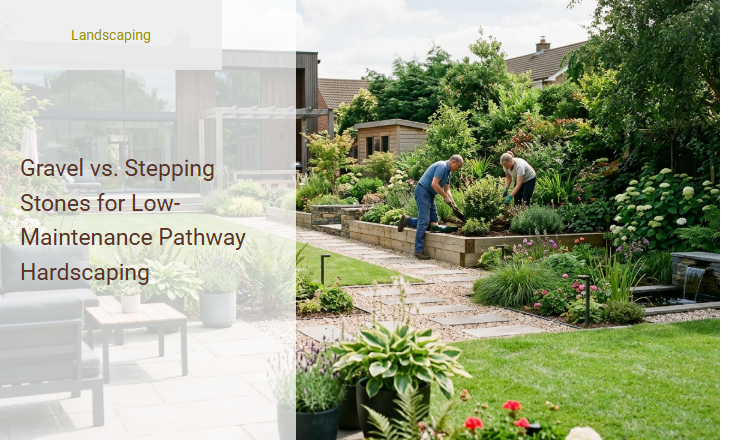
Keeping backyard walkways pristine often feels like an endless battle against persistent weeds, mud, and soil erosion, leaving homeowners exhausted by constant weekend upkeep. Before selecting a quick fix, it is essential to first consider how pathway materials impact your property's overall drainage and landscape cohesion. Making the right strategic choice grants you a beautiful, permanent walkway that elevates your home's aesthetic while reclaiming your valuable leisure time.
To be clear: no outdoor hardscape is entirely maintenance-free, as windblown debris and natural settling will always occur. However, utilizing reliable options like crushed pea gravel or flagstone stepping stones provides a highly resilient foundation. In this guide, we will compare gravel and stepping stones across installation complexity, cost, and long-term durability to help you select the ideal low-maintenance solution for your property.
Introduction to Low-Maintenance Pathway Hardscaping
Creating a beautiful garden requires a balance between aesthetic appeal and practical upkeep. Homeowners often struggle to choose the perfect material for their garden trails, finding themselves caught in a design dilemma. Gravel pathways offer a natural, fluid look but raise concerns about shifting stones and weed growth. Meanwhile, stepping stone paths present a highly structured, timeless elegance but require a higher initial investment and careful leveling.
Choosing between these two popular low-maintenance options depends heavily on how you intend to use your yard. While both options elevate your outdoor space, they demand different levels of commitment in terms of preparation and long-term care. Striking the right balance between installation ease and enduring beauty is key to achieving a functional landscape that you will enjoy for years to come.
The Case for Gravel: Advantages and Drawbacks
Gravel is a classic choice for informal pathways, prized for its natural texture and relaxing crunch underfoot. However, like any hardscaping material, it comes with a distinct set of pros and cons that homeowners must evaluate before breaking ground.
The Advantages of Gravel Pathways
Gravel is exceptionally budget-friendly and adapts easily to organic, curving path shapes.
- High Affordability: Pea gravel and decomposed granite are significantly cheaper than stone slabs.
- Excellent Drainage: Rainwater flows directly through the loose stones, preventing puddles.
- Easy Installation: It requires minimal excavation and no precise leveling of individual stones.
The Drawbacks of Gravel Pathways
Despite its charm, loose aggregate can present unique maintenance challenges over time.
- Susceptibility to Weeds: Airborne seeds easily find their way into the gaps between stones and sprout.
- Shifting and Spreading: Without sturdy edging, gravel tends to migrate into lawns and flowerbeds.
- Difficult to Clear: Removing leaves, snow, or debris from loose gravel can be frustrating.
The Case for Stepping Stones: Benefits and Limitations
Stepping stones offer a highly structured, clean look that can anchor a landscape design. Understanding their physical benefits and design limitations helps clarify if they are right for your yard.
The Benefits of Stepping Stones
Stepping stones add a sense of permanence and classic style to any garden walkway.
- Long-Term Durability: Natural slate, flagstone, or concrete pavers can last for decades without degrading.
- High Aesthetic Appeal: They create stunning focal points and fit seamlessly into lush lawns or groundcovers.
- Low Loose Debris: Unlike gravel, solid stones stay exactly where you put them, keeping your lawn safe from stray rocks.
The Limitations of Stepping Stones
These beautiful pathways require a more careful installation and a higher financial investment.
- Higher Upfront Cost: Sourcing quality flagstone or heavy concrete pavers is much more expensive than buying bulk gravel.
- Potential Tripping Hazards: If the soil settles unevenly, stones can tilt and create dangerous uneven surfaces.
- Labor-Intensive Placement: Every single stone must be individually leveled to ensure a safe, stable walking surface.
Cost Analysis: Initial Investment vs. Long-Term Value
When planning a garden walkway, your budget must account for both the immediate cash outlay and the cost of maintaining the path over the next five to ten years. While gravel is incredibly inexpensive upfront, it may require regular replenishment. Stepping stones cost more at the start but offer unmatched longevity.
| Pathway Type | Initial Material Cost | Labor & Installation Cost | Long-Term Maintenance Cost |
|---|---|---|---|
| Gravel Path | Low (under $5 per sq. ft.) | Low (Highly DIY-friendly) | Moderate (Requires replenishment and weed control) |
| Stepping Stones | High ($15 - $30+ per sq. ft.) | Moderate to High (Heavy lifting required) | Low (Occasional leveling or joint repair) |
Over time, the cost gap narrows. A well-installed stepping stone path requires almost no replacement materials, whereas gravel paths often need fresh layers added every few years to maintain their depth and combat compaction.
DIY Friendliness: Installation Complexity Compared
For the weekend warrior, the complexity of installation is a major decision factor. Both projects can be completed without professional help, but one requires significantly less physical labor and precision than the other.
The Gravel Pathway DIY Process
Gravel is highly forgiving for beginners because the loose stones naturally fill in any minor imperfections in your excavation work.
- Mark the pathway layout using garden hoses or spray paint, then excavate the soil to a depth of three inches.
- Install a sturdy border or edging material along the sides to keep the gravel contained.
- Lay down heavy-duty landscape fabric to suppress weed growth and separate the gravel from the soil.
- Pour and rake the gravel evenly across the path, compacting it slightly for a firm walking surface.
The Stepping Stone DIY Process
Installing stepping stones requires a keen eye for level surfaces and a lot of patience to prevent future shifting.
- Map out the stride distance between stones by laying them on the grass and taking a natural walk down the path.
- Cut away the turf and dig out individual shallow holes slightly deeper than the thickness of each stone.
- Add a thin layer of sand to the bottom of each hole to act as an adjustable leveling base.
- Place each stone into its hole, using a rubber mallet and a spirit level to ensure they sit flush with the surrounding ground.
Novice gardeners will find gravel pathways much easier to install. It requires far less precision leveling and eliminates the heavy lifting associated with moving large, natural stone slabs.
Durability and Lifespan Under Foot Traffic
A pathway must withstand constant foot traffic, heavy rain, freezing winter temperatures, and summer heat. Natural stepping stones excel in durability, weathering the elements effortlessly without breaking down. Conversely, gravel does not break, but it does disperse, requiring regular physical intervention to maintain its structure after heavy storms or high-volume usage.
"High-quality flagstone and slate stepping stones can easily endure for over half a century with minimal structural wear, making them one of the most durable hardscaping investments a homeowner can make." - Landscape Design Association
In regions prone to severe frost heaving, gravel has a slight advantage as it shifts naturally with the frozen ground without cracking. However, for sheer longevity under heavy daily use, stepping stones remain the superior choice, as they do not erode or wash away during torrential downpours.
Weed Control and Routine Maintenance Requirements
Low-maintenance does not mean zero-maintenance. Understanding the daily and seasonal chores associated with both materials will help you avoid unpleasant surprises down the road.
Gravel Maintenance: Managing Drift and Weeds
Gravel pathways require active grooming to look their best. To manage weeds, you must install a high-quality weed barrier, but over time, organic debris will decay on top of the stones, creating a fertile ground for weeds to grow anyway. Routine raking is necessary to level out high and low spots created by foot traffic. You will also need to blow or hand-pick leaves and twigs, which can easily get mixed into the stones.
Stepping Stone Maintenance: Leveling and Clearing
Stepping stones require very little day-to-day work but benefit from occasional structural tune-ups. Weed control is generally restricted to the gaps between the stones, which can be managed by planting dense, low-growing groundcovers like creeping thyme. If a stone settles unevenly or sinks due to soil erosion, you will need to lift it, add more sand beneath, and set it back in place to prevent tripping hazards. Cleaning is as simple as a quick sweep or a spray with a garden hose.
Design Integration: Matching Your Landscape Aesthetic
The materials you choose should complement the architectural style of your home and the overall mood of your garden. Gravel has a soft, organic texture that works beautifully in rustic cottage gardens, where plants spill over the edges, or in Japanese Zen gardens, where raked gravel symbolizes flowing water. Stepping stones, on the other hand, offer clean lines and structural weight that perfectly match modern minimalist landscapes, providing a strong sense of direction and order.

For transitional spaces, combining different stone colors and textures allows you to bridge the gap between structured hardscaping and wild, natural plantings. Selecting the right color palette-such as warm buffs for rustic yards or cool grays for contemporary homes-will pull your entire outdoor aesthetic together.
The Hybrid Approach: Combining Gravel and Stepping Stones
If you find yourself torn between the affordability of gravel and the solid stability of stepping stones, a hybrid pathway offers the perfect middle ground. By placing large flat stepping stones inside a gravel-filled frame, you create a path that is both highly functional and visually striking.
To build this hybrid path, you first excavate the area, lay down landscaping fabric, and secure your edging. Next, place the stepping stones along the route at a natural walking distance. Once the stones are positioned, pour pea gravel into the gaps around them, filling the empty spaces until it sits flush with the stone surfaces. This technique ensures that your feet always land on a stable, solid stone, while the surrounding gravel provides excellent drainage and a beautiful, contrasting texture.
This design also minimizes the main drawbacks of both individual materials. The heavy stepping stones anchor the path and reduce gravel displacement, while the gravel base eliminates the need to perfectly level the soil under every single flagstone, saving significant installation time and effort.
The Final Verdict: Choosing the Best Pathway for Your Yard
Selecting the right path comes down to weighing your current budget against your long-term maintenance preferences and aesthetic goals. If you want a quick, affordable, and charmingly rustic DIY project, gravel is an exceptional choice that will serve your garden well for years to come.
If you prefer a highly durable, permanent feature with striking visual impact and minimal weekly maintenance, investing in stepping stones is the ideal route. By carefully evaluating your personal style, physical comfort with DIY work, and landscape requirements, you can confidently install a pathway that enhances the beauty and accessibility of your outdoor oasis.
| Feature | Gravel Paths | Stepping Stone Paths |
|---|---|---|
| Cost & Materials | Low; inexpensive bulk materials and basic landscape fabric. | Moderate to High; individual stone costs and base sand/gravel. |
| Installation | Easy; fast DIY excavation, pouring, and leveling. | Moderate; requires precise spacing, leveling, and sinking of each stone. |
| Stability & Mobility | Loose; shifts underfoot, difficult for wheelchairs, strollers, and high heels. | Firm; provides solid, flat, and secure steps for easier walking. |
| Maintenance | High; requires regular raking, weeding, and periodic replenishment. | Low; occasional sweeping, washing, and edging of surrounding grass. |
| Drainage | Excellent; highly permeable surface prevents water pooling. | Variable; runoff occurs on stones, drains into surrounding gaps. |
| Lifespan | Moderate; prone to spreading and sinking into soil over time. | High; durable stone or concrete lasts decades without degradation. |
Leave a comment