
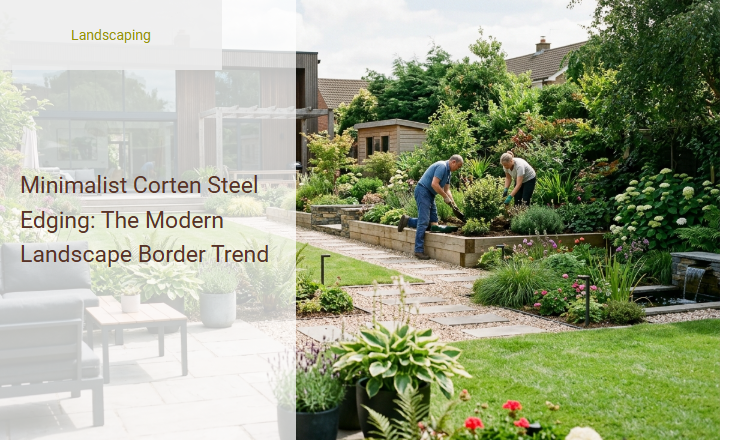
Maintaining crisp, defined garden borders is a perpetual struggle for homeowners. Traditional plastic edging inevitably cracks under UV exposure, while timber borders rot and warp, leaving once-pristine landscapes looking chaotic and unfinished.
To solve this, modern landscape design has shifted toward industrial-grade materials that bridge the gap between architectural structure and organic growth. Choosing weathered metals grants your property an immediate, structurally superior boundary that actually increases in durability over time.
However, successful integration requires a basic understanding of how this copper-chromium alloy develops its protective, rust-like patina without degrading. When executed correctly, it provides flawless, razor-sharp transitions-such as separating a minimalist black basalt gravel path from soft, vibrant fescue turf.
In this guide, we will examine the engineering benefits of Corten steel, outline essential installation techniques to prevent soil staining, and explore how to leverage this material for a sophisticated, low-maintenance outdoor aesthetic.
Read also: Plastic vs Metal for Landscape Edging
The Rise of Corten Steel in Modern Landscaping
In the realm of contemporary outdoor design, Corten steel has emerged as a revolutionary material that beautifully bridges the gap between industrial strength and organic warmth. Characterized by its signature weathered orange-brown patina, this unique weathering steel develops a rich, textured finish when exposed to the elements, shifting from raw metallic grey to deep hues of amber and rust. It is this striking evolution of color and texture that has made it the premier choice for modern, minimalist landscape design, allowing designers to introduce a raw yet refined aesthetic into residential and commercial gardens alike.
Defining the Minimalist Garden Aesthetic
Modern minimalist gardens emphasize clean lines, geometric structures, and a controlled palette of materials. By stripping away unnecessary clutter, this design style creates tranquil spaces where the focus remains on spatial harmony and defined boundaries. The ultra-thin profile of Corten steel edging integrates into this philosophy, providing a crisp divider that organizes organic garden elements without occupying unnecessary space. With its slim yet incredibly rigid structure, Corten steel allows landscapers to establish razor-sharp borders that define the modern landscape.
Top Benefits of Choosing Corten Steel Edging
Selecting the right materials for your garden border can make a significant difference in both longevity and style. Corten steel edging offers several outstanding advantages over traditional alternatives:
- Extreme Durability: It is engineered to withstand harsh weather conditions without chipping, cracking, or rotting.
- Virtually Low Maintenance: Once installed, there is no need for painting, sealing, or ongoing treatments.
- Exceptional Flexibility: It can be easily bent to create smooth, flowing curves as well as sharp, angular corners.
- Long-Term Cost-Effectiveness: While the upfront cost may be higher than plastic, its lifepsan ensures a far greater return on investment.
Understanding the Patina: How Corten Steel Weathers
The secret behind the longevity of Corten steel lies in its unique chemical composition, which includes elements like copper, chromium, and nickel. When exposed to rain and humidity, the steel undergoes a controlled oxidation process that creates a tight, protective rust-like layer on its surface. Instead of destroying the metal, this protective patina seals the underlying steel, preventing moisture from penetrating deeper and halting further corrosion.
Creative Ways to Design with Corten Edging
Corten steel edging provides a versatile design tool that can be used to elevate different zones of your outdoor space. Here are several creative ways to incorporate these weathered borders:
- Creating clean lawn lines that prevent grass roots from creeping into surrounding flower beds.
- Separating gravel walkways and stone dust paths from delicate ground covers.
- Framing raised garden beds to create multi-tiered planting zones with a modern edge.
Essential Installation Tips for a Seamless Look
To achieve a professional, flush finish with your metal borders, proper installation is key. Prepare your workspace by digging a shallow trench along the desired border line using a flat spade.
- Ensure the trench depth allows the edging to sit slightly above the soil surface to maintain a clean boundary.
- Secure the individual panels tightly into the ground using the integrated stakes.
- Join individual sections carefully, keeping in mind that snug connections prevent shifting over time.
Corten Steel vs. Traditional Edging Materials
Evaluating your options helps ensure you select the best material for your specific project goals. Below is a comparison of Corten steel against common traditional garden borders:
| Material | Aesthetic Appeal | Lifespan | Overall Value |
|---|---|---|---|
| Corten Steel | Modern / Industrial Rust | Over 25 Years | High (Long-term savings) |
| Plastic | Basic / Low-end | 1 - 3 Years | Low (Requires constant replacement) |
| Pressure-Treated Wood | Rustic / Natural | 5 - 10 Years | Medium (Subject to rot and warping) |
| Concrete / Brick | Traditional / Heavy | 15 - 20 Years | Medium (High installation labor) |
Is Corten Steel Environmentally Friendly?
Modern design often demands sustainable solutions, and weathering steel delivers on ecological fronts as well. Its incredible lifespan minimizes the cycle of manufacturing, shipping, and discarding short-lived alternatives.
"Corten steel requires zero toxic chemical treatments during its manufacturing process or its lifecycle, making it safe for organic vegetable gardens and surrounding wildlife habitats. Its one hundred percent recyclability further reduces its overall carbon footprint." - Green Building Council Research
Preventing Rust Runoff and Soil Staining
While the weathering process yields a gorgeous orange-brown finish, the initial oxidation phase can result in minor rust bleeding. During wet weather, water may wash loose iron oxide particles onto surrounding porous surfaces like concrete or light-colored natural stone. To prevent unsightly staining, it is wise to install the edging slightly recessed or apply a rust converter sealant to lock in the color once the desired patina has fully formed.
Elevating Your Modern Landscape
Corten steel edging serves as a highly functional barrier that effortlessly doubles as a striking visual frame for your garden elements. By blending structural integrity with a warm, organic texture, this material allows you to create crisp boundaries that evolve beautifully over time. Embracing this low-maintenance modern trend provides a lasting, sophisticated structure that elevates any outdoor space into a masterclass of contemporary design.
Summary
Minimalist Corten steel edging has emerged as a leading trend in modern landscape design, offering a perfect blend of industrial chic and organic beauty. Characterized by its unique weathering properties, Corten steel develops a rich, rust-colored protective patina over time. This natural oxidation process not only shields the metal from ongoing corrosion but also creates a warm, earthy aesthetic that blends seamlessly with plants and soil.
This durable material provides crisp, clean lines that beautifully define garden beds, pathways, and lawns. Its ultra-slim profile delivers a sleek, minimalist look that traditional brick, stone, or plastic borders simply cannot match. Highly malleable yet incredibly strong, it can be easily shaped into straight runs or sweeping curves. Virtually maintenance-free and exceptionally long-lasting, Corten steel edging is the ultimate sustainable choice for homeowners and landscape architects looking to elevate their outdoor spaces with a contemporary, architectural edge.
Leave a comment