
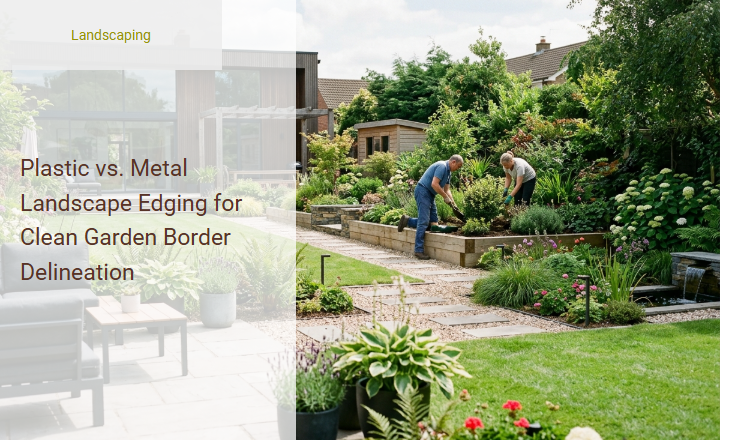
Achieving a crisp, permanent line between your lawn and garden beds often feels like an endless battle against invasive turfgrass and shifting soil. Before investing in new plantings or fresh mulch, establishing a structural barrier is essential to preserve your landscape's design integrity and prevent hours of tedious manual edging.
Selecting the right border material grants you a low-maintenance, pristine aesthetic that instantly elevates your property's overall curb appeal. However, a successful installation requires a key stipulation: material performance is highly contingent upon your specific soil composition, local climate, and budget limitations.
Whether you require the rigid durability of professional-grade steel and aluminum, or the forgiving flexibility of recycled polyethylene, each option offers distinct functional advantages. In this comprehensive comparison, we will analyze plastic versus metal landscape edging across durability, installation complexity, and lifetime value to help you make the optimal choice for your property.
Choosing the Perfect Garden Border: Plastic vs. Metal Edging
A beautifully manicured garden relies heavily on clean lines and defined spaces. Garden border delineation is not just about keeping soil and mulch from spilling onto your lawn; it is about creating a visual structure that elevates your entire outdoor space. When it comes to selecting the right materials for this task, homeowners often find themselves at a crossroads choosing between two dominant contenders: plastic and metal.
Both materials offer distinct advantages and drawbacks. Selecting the ideal border requires balancing aesthetics, budget, and longevity. Making the right choice will define whether your garden looks like a professional landscape design or a quick weekend project, making your choice of materials the defining factor in your landscape's visual success.
Understanding Plastic Landscape Edging
Plastic landscape edging is typically manufactured from high-density polyethylene (HDPE) or recycled plastic materials. It is widely recognized for its lightweight nature and remarkable pliability, allowing gardeners to easily contour borders around curving flowerbeds and winding pathways.
This material stands out as a highly popular entry-level choice for novice gardeners and DIY enthusiasts alike. Its primary appeal lies in its outstanding affordability and simple handling. For those looking to quickly define their garden beds without breaking the bank, plastic provides a functional solution that requires minimal specialized tools to install.
Exploring Metal Landscape Edging
Metal landscape edging, commonly crafted from steel or aluminum, offers a stark contrast to its plastic counterpart. It is highly favored by professional designers for high-end, permanent landscaping projects where structure and clean lines are paramount. With its incredibly thin profile, metal edging sinks discreetly into the soil, creating an almost invisible boundary that keeps grass from encroaching on garden beds.
The defining characteristics of metal borders are their exceptional durability and premium finish. Unlike softer materials, metal provides a rigid, structural barrier that resists shifting over time. This makes it the go-to option for homeowners seeking a sophisticated, architectural look that will last for decades.
Durability and Lifespan: Which Material Holds Up Best?
When evaluating the lifespan of these materials, weather resistance is a critical factor. Plastic edging is highly susceptible to the elements; prolonged exposure to harsh UV rays can cause it to become brittle, crack, and fade over time. Furthermore, plastic can easily be chipped or sliced by lawnmowers and weed-whackers, and severe winter frost heaves can push the light material out of the ground.
In contrast, metal edging stands up incredibly well to external forces. Aluminum does not rust, and weathering steel (like Corten) forms a protective, rustic patina that prevents deep corrosion. Metal easily deflects lawnmower blades without sustaining structural damage and remains securely anchored despite temperature fluctuations.
Aesthetic Differences and Design Flexibility
The visual impact of your garden border shapes the overall mood of your outdoor space. Metal edging offers a sleek, minimalist aesthetic. Its crisp, razor-thin lines are ideal for modern, contemporary, or formal garden designs, allowing the plants themselves to take center stage without visual distraction.
On the other hand, plastic edging has a much thicker, visible top bead. This creates a softer, more casual look. While it is highly flexible and excellent for organic, freeform shapes, the prominent black or green plastic lip remains visible along the garden boundary, which some homeowners feel detracts from a high-end look.
"The choice of edging material dictates the clean lines of a landscape. Metal disappears into the background to highlight the plantings, whereas plastic often introduces an unwanted visual barrier." - Sarah Jenkins, Landscape Architect
Installation Process: DIY-Friendly or Professional Grade?
Installing garden edging varies significantly depending on the material chosen. Plastic is remarkably DIY-friendly, requiring only basic garden tools. Metal, while still manageable for ambitious homeowners, often demands more precision, physical effort, and sometimes specialized cutting tools like hacksaws or angle grinders.
- For plastic: Dig a shallow trench, unroll the flexible plastic coil, place it into the trench, and secure it with plastic or metal stakes driven through the pre-made slots.
- For metal: Slice a straight vertical cut into the turf using a spade, slide the interlocking metal sections into the slit, and anchor them firmly with heavy-duty metal stakes.
Upfront Cost vs. Long-Term Value
Budget is a major deciding factor for most landscaping projects. Plastic edging is incredibly inexpensive upfront, making it ideal for tight budgets or temporary installations. However, because plastic degrades and requires replacement every few years, metal edging often proves to be the more cost-effective choice over a ten-to-twenty-year span due to its permanent nature.
| Material Type | Upfront Cost (per foot) | Expected Lifespan | Long-Term Value Rating |
|---|---|---|---|
| Plastic (HDPE) | Low ($0.50 - $1.50) | 2 - 5 Years | Moderate (Requires replacement) |
| Metal (Steel/Aluminum) | Moderate to High ($2.50 - $6.00) | 15 - 25+ Years | High (One-time investment) |
Maintenance and Care Requirements
To keep your garden borders looking pristine, some level of seasonal maintenance is required. Plastic and metal react differently to changing seasons, physical impacts, and ground shifts, requiring distinct upkeep routines.
- Plastic Edging Maintenance: Inspect annually for frost heaves, push popped sections back down, and replace brittle or cracked sections damaged by lawnmowers.
- Metal Edging Maintenance: Check alignment occasionally, tap down raised stakes, and monitor raw steel borders to ensure rust patina remains stable and does not bleed onto nearby concrete.
Environmental Impact and Sustainability
For the eco-conscious gardener, the environmental footprint of landscaping materials is an essential consideration. Plastic edging is a petroleum-based product that does not biodegrade. Over time, deteriorating plastic can break down into microplastics, entering the surrounding soil and water systems. While some plastic borders use recycled contents, their end-of-life recycling options remain limited.
Metal edging is a highly sustainable choice. Both steel and aluminum are 100% recyclable and often made from pre-existing recycled scrap metal. They have a significantly longer lifespan, meaning less manufacturing energy and waste over time, representing a superior sustainable choice for green-minded homeowners.
The Final Verdict: Choosing the Right Edging for Your Yard
Your choice between plastic and metal landscape edging depends on your specific priorities. If you are working on a strict budget, planning a temporary garden layout, or prefer an easy DIY afternoon project, plastic edging serves as a practical, flexible solution.
Conversely, if you want a premium, sleek aesthetic, high durability against lawnmowers, and a permanent border that will last for decades, investing in metal edging is the superior decision. Weighing these factors helps ensure you select the ideal garden border that satisfies both your aesthetic preferences and practical requirements.
| Feature | Plastic Edging | Metal Edging (Steel/Aluminum) |
|---|---|---|
| Lifespan & Durability | 1 to 5 years; degrades under UV light; cracks in freezing temperatures. | 15 to 25+ years; resists frost, rot, and lawnmower impacts. |
| Cost Efficiency | Low upfront cost ($1–$2/ft); high replacement frequency. | High upfront cost ($2.50–$6/ft); lowest lifetime cost. |
| Visual Appearance | Bulky, highly visible profile; prone to warping and uneven lines. | Slim, discrete profile; creates crisp, clean, professional curves. |
| Installation & Stability | Highly flexible, fast DIY setup; prone to "frost-heaving" out of soil. | Rigid yet bendable; secured with heavy stakes; remains flush. |
| Environmental Impact | Petroleum-based; non-biodegradable; degrades into microplastics. | 100% recyclable; inert material with zero chemical leaching. |
Leave a comment