
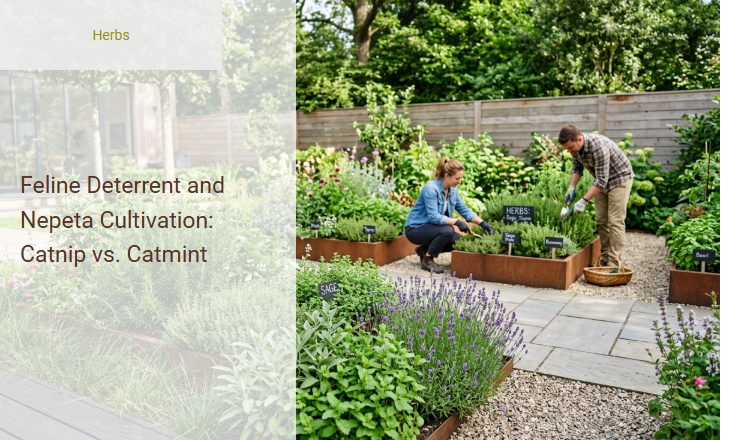
Many horticulturists and homeowners struggle to maintain pristine gardens against the disruptive digging and foraging of neighborhood cats, while others face the opposite challenge of designing a safe, stimulating outdoor space for their own pets without sacrificing curb appeal. Navigating these conflicting goals requires a deeper look into the diverse Nepeta genus, which serves as the botanical bridge between ornamental garden design and feline behavioral management.
Choosing the correct specimen grants you the dual benefit of a visually stunning landscape and strategic control over animal visits. However, effective cultivation stipulates recognizing that different cultivars contain vastly different concentrations of nepetalactone, the chemical compound responsible for feline responses. For example, while true Catnip (Nepeta cataria) acts as an intense feline stimulant, ornamental Catmint (Nepeta x faassenii) provides robust pest-deterrent properties and structured beauty.
This article provides a comprehensive comparison of their cultivation requirements, chemical profiles, and landscape applications to help you make an informed botanical choice.
Introduction to the Nepeta Genus
Within the vast mint family, few plant groups spark as much fascination and joy as the *Nepeta* genus. Renowned worldwide by both passionate gardeners and devoted pet owners, this plant family bridges the gap between aesthetic horticulture and animal behavior. Two of its most famous representatives, Catnip and Catmint, often find their names used interchangeably, yet they serve very different roles in the domestic garden. While one is a wild, behavior-altering treat for felines, the other stands as a refined, long-blooming ornament that anchors landscape designs. Understanding the nuances between these aromatic herbs allows growers to tailor their landscapes for maximum visual beauty and feline enjoyment. This guide explores their botanical identities, cultivation needs, and practical uses, providing a clear roadmap for every home gardener.
Botanical Differences: Catnip vs. Catmint
Though closely related, Nepeta cataria (commonly known as Catnip) and Nepeta x faassenii (often referred to as Catmint) display distinct physical characteristics and growth habits. Recognizing these differences is key to choosing the right plant for your landscape.
- Nepeta cataria features a somewhat weedy, upright growth habit, often reaching heights of up to three feet. Its leaves are coarse, heart-shaped, and dusty green with distinct tooth-like margins. The flowers are typically small, sparse, and pale white with light purple spots.
- Nepeta x faassenii is a sterile hybrid plant that grows in neat, mounding drifts. It generally reaches heights of one to two feet and features narrow, grayish-green leaves. Its blooms are far more showy, forming dense spikes of lavender-blue flowers that cover the foliage for most of the summer.
- Classification-wise, Catnip is a pure species native to Europe and Asia, whereas Catmint is a sterile hybrid cultivated specifically for garden performance and longevity.
The Chemistry of Attraction: Understanding Nepetalactone
At the heart of the Nepeta genus lies a fascinating chemical compound that dictates how insects and animals interact with these plants. This compound is known as nepetalactone, a volatile organic chemical produced in microscopic glands on the underside of the leaves and stems. For the plant, this chemical acts as a potent natural defense mechanism designed to repel herbivorous insects that might otherwise consume the foliage. Ironically, while it serves as a shield against pests, it behaves as a powerful attractant for feline species. This dual-purpose evolutionary trait makes the genus both incredibly resilient in the wild and highly sought after by humans looking to entertain their pets or naturally protect their garden boundaries.
Feline Behavior: Why Cats React to Catnip
When domestic cats and wild felines encounter the active compounds in Catnip, the reaction is often immediate and dramatic. Upon smelling the plant, felines exhibit behaviors such as rubbing their faces against the leaves, rolling on the ground, vocalizing, and leaping. This response is triggered when nepetalactone binds to olfactory receptors, mimicking feline pheromones.
"The intense reaction to catnip is hereditary, with roughly seventy to eighty percent of felines exhibiting this sensitivity, which lasts for about ten to fifteen minutes before the animal becomes temporarily immune to its effects." Feline Behavioral Institute
This genetic sensitivity is not limited to house cats; magnificent wild predators, including lions, leopards, and jaguars, react with the exact same playful behaviors when exposed to the plant.
Catmint as an Aesthetic and Behavioral Landscape Alternative
For gardeners who want the beauty of the Nepeta genus without the chaotic feline traffic, Catmint serves as the perfect alternative. Nepeta x faassenii provides immense ornamental value, offering a stunning, continuous display of purple-blue flowers from late spring through autumn. Its compact, mounding growth habit behaves beautifully in borders, rock gardens, and pathways. Because it contains much lower concentrations of nepetalactone than its wild cousin, it does not draw stray felines in droves. Visiting neighborhood cats might occasionally sniff or gently rub against a stem, but they rarely destroy the plant. This makes Catmint a highly durable and reliable choice for creating clean, low-maintenance garden borders.
Using Nepeta as an Insect and Feline Deterrent
Beyond their beauty and feline appeal, plants in the Nepeta genus offer highly practical defensive benefits for home gardens. Their strong aromatic oils can be utilized to keep unwanted visitors out of your outdoor spaces.
- To repel mosquitoes, gnats, and aphids, plant Nepeta species near outdoor seating areas, patios, or vulnerable vegetable beds where these pests typically gather.
- To deter stray cats from destroying delicate flower beds, strategically place the highly attractive Catnip in a designated corner of the yard to lure them away from prized plantings.
- Use Catmint as a border barrier around vegetable gardens, as its scent masks the smell of other crops, making them harder for pests to locate.
Cultivation Essentials: Soil, Sunlight, and Planting Guide
Both Catnip and Catmint are notoriously easy to grow, provided their basic environmental needs are met. They thrive in conditions that mimic their native Mediterranean-style habitats, prioritizing plenty of sunshine and sharp drainage over rich, fertile soil.
| Requirement | Catnip (Nepeta cataria) | Catmint (Nepeta x faassenii) |
|---|---|---|
| Sunlight | Full sun to partial shade | Full sun (at least 6 hours daily) |
| Soil Type | Average, sandy, or loamy soil | Poor, sandy, or gravelly soil |
| Soil pH | 6.0 to 7.5 (Neutral) | 6.0 to 8.0 (Highly adaptable) |
| Drainage | Excellent drainage is vital | Extremely drought-tolerant; demands dry soil |
| Spacing | 18 to 24 inches apart | 12 to 18 inches apart |
Maintenance, Pruning, and Propagation Techniques
Maintaining these hardy perennials requires very little effort throughout the growing season. Implementing a few simple pruning and division techniques will keep your plants looking vibrant and healthy year after year.
- Watering Schedule: Establish young plants with regular watering, but once they are mature, only water them during prolonged dry spells to avoid root rot.
- Deadheading and Pruning: Cut Catmint back by half after its first major flush of flowers fades. This stimulates a fresh wave of foliage and a second round of beautiful blooms.
- Division: Divide overcrowded clumps in early spring or autumn. Dig up the root ball, separate it into smaller sections with a sharp spade, and replant them immediately to propagate new specimens.
Harvesting and Preserving Your Nepeta Crop
To enjoy the therapeutic or feline-attracting benefits of your harvest throughout the winter, you must collect and dry the foliage correctly to lock in its natural essential oils.
- Harvest the stems in late morning after the morning dew has completely evaporated but before the afternoon sun weakens the plant's aromatic oils.
- Cut the stems about two inches above the ground, focusing on healthy leaves and newly opened flower buds where nepetalactone concentrations are highest.
- Bundle the stems together with kitchen twine and hang them upside down in a warm, dark, well-ventilated room for two to three weeks.
- Strip the dry, brittle leaves from the stems and store them in airtight glass jars kept in a cool, dark pantry to maintain maximum potency.
Final Verdict: Choosing the Ideal Nepeta for Your Garden Goals
Selecting the perfect Nepeta plant comes down to your primary goals as a gardener and pet owner. If your main objective is to provide a delightful recreational experience for your feline friends or to harvest leaves for calming herbal teas, planting traditional Catnip is the obvious choice. Its rustic, wild charm makes it ideal for dedicated pet corners or informal herb gardens. On the other hand, if you want to enhance your home's curb appeal with sweeping drifts of long-lasting color, Catmint is the superior option, offering pest resistance and clean growth without drawing unwanted neighborhood animals. By matching the specific attributes of these plants to your landscape needs, you can create a beautiful, harmonious outdoor space that delights both humans and nature alike.
| Feature / Use Case | Catnip (Nepeta cataria) | Catmint (Nepeta x faassenii) |
|---|---|---|
| Feline Attractiveness | Extreme; triggers intense euphoric behavior in 70-80% of cats. | Very low to mild; most cats ignore it or show only passive interest. |
| Deterrent Application | Decoy Deterrent: Planted far from off-limit zones to lure cats to a designated sacrificial area. | Passive Barrier: Provides a highly ornamental, lavender-like landscape without attracting neighborhood cats. |
| Nepetalactone Level | High concentration (potent feline attractant). | Trace to low concentration (insufficient to trigger major feline response). |

Leave a comment