
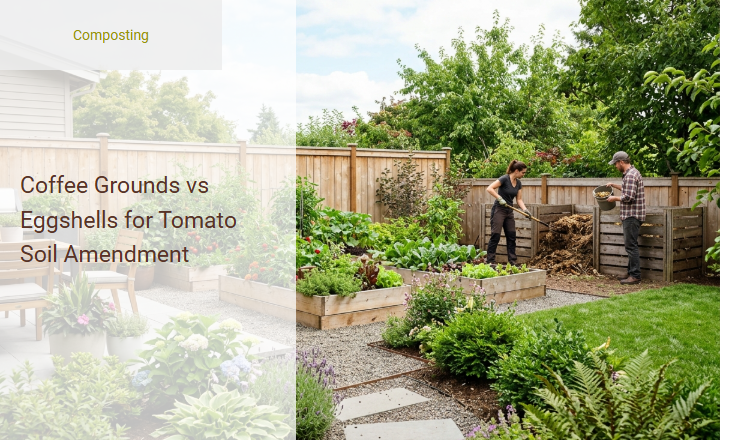
Many passionate tomato growers share the frustrating experience of watching vibrant plants suddenly struggle with yellowing leaves or blossom end rot, despite meticulous watering. Before rushing to purchase synthetic chemical fertilizers, it is crucial to recognize that sustainable soil health is the true driver of crop productivity. Utilizing kitchen waste offers an eco-friendly way to feed your garden, granting you an abundant, nutrient-dense harvest at zero extra cost.
However, successful amendment requires a scientific approach; raw organic inputs must be managed carefully, as improper application can disrupt soil pH or temporarily lock up essential nutrients. For example, while nitrogen-heavy espresso grounds stimulate vegetative vigor, calcium-rich crushed eggshells specifically fortify cell walls to prevent fruit decay.
This article will compare the nutritional profiles of coffee grounds and eggshells, evaluate their synergistic potential, and outline precise application methods to optimize your tomato yield this season.
Introduction: The Tomato Soil Amendment Showdown
Every home gardener dreams of harvesting heavy clusters of sweet, juicy, and flawless backyard tomatoes. Achieving this level of gardening success, however, requires giving these heavy-feeding plants the perfect nutritional foundation. Many horticulturists turn to their kitchens for low-cost, natural solutions. This search for the ultimate DIY nutrient boost often leads to a classic backyard debate: coffee grounds vs eggshells.
Both of these kitchen scraps are celebrated as miracle workers for the garden, but they serve completely different biological purposes. While one promises to supercharge green foliage growth, the other targets structural health and fruit development. Choosing between them, or figuring out how to use them together, is a common dilemma that can make or break your harvest. Let's dig into the science behind these organic amendments to see which reigns supreme.
Understanding Tomato Soil and Nutrient Requirements
To cultivate robust tomato plants, you must first understand the soil environment they thrive in. Tomatoes prefer a slightly acidic to neutral soil pH, ideally between 6.0 and 6.8. If the pH strays too far outside this optimal range, essential elements become locked in the soil, preventing the root system from absorbing them.
Tomatoes are highly demanding plants that require a steady diet of both macronutrients and secondary nutrients to complete their life cycle successfully. Here are their primary nutrient requirements:
- Nitrogen (N): Essential for early vegetative growth, promoting lush, green foliage and strong stems.
- Phosphorus (P): Drives root development, early flowering, and successful fruit set.
- Potassium (K): Enhances overall disease resistance, water uptake, and fruit quality.
- Calcium (Ca): A vital secondary nutrient that builds strong cell walls and prevents physiological disorders.
Coffee Grounds as a Tomato Soil Amendment
Used coffee grounds are highly prized by organic gardeners. Though they look like rich soil, they are actually a green organic material packed with nutrients that can transform your garden bed when utilized correctly.
The Acidity Myth and Reality
A common misconception is that used coffee grounds will drastically lower your soil pH. While fresh coffee grounds are highly acidic, the brewing process washes away most of the soluble acids. The resulting used grounds are actually close to neutral, usually resting between 6.5 and 6.8 pH. Thus, they will not drastically acidify the soil but can gently support the mildly acidic conditions that Solanum lycopersicum prefers.
Improving Soil Structure and Nitrogen Delivery
Used coffee grounds contain roughly 2% nitrogen by weight, along with trace amounts of potassium and magnesium. As microorganisms decompose these organic particles, they slowly release nitrogen into the soil, preventing the rapid leaching associated with synthetic fertilizers. Additionally, the fine texture of coffee grounds helps to improve soil structure, increasing aeration in heavy clay soils and improving water retention in sandy substrates.
Eggshells as a Tomato Soil Amendment
Discarded eggshells are a powerhouse of minerals. Instead of throwing them into the trash, smart gardeners repurpose them to address one of the most common and frustrating tomato cultivation problems.
The Role of Calcium Carbonate
Eggshells are primarily composed of calcium carbonate, a compound that strengthens plant cell walls. Just as calcium builds strong bones in humans, it provides structural integrity to plant tissues. For tomatoes, a steady supply of calcium is critical during periods of rapid cell division and fruit expansion.
Preventing Blossom End Rot
A deficiency of calcium within the developing fruit leads to a devastating physiological disorder known as blossom end rot, characterized by a black, leathery patch at the bottom of the tomato. Amending the soil with finely ground eggshells ensures a steady pool of calcium is available to the roots, helping to eliminate this cellular collapse. However, the calcium must be highly processed and broken down to be bioavailable to the plant's vascular system.
Pros and Cons of Using Coffee Grounds for Tomatoes
Before dumping your morning coffee filter directly onto your tomato beds, it is important to weigh the benefits against the potential hazards of incorrect application.
- Pro: Excellent Nitrogen Source - They provide a sustained, slow-release source of organic nitrogen to feed beneficial microbes and encourage vegetative growth.
- Pro: Enhanced Soil Aeration - Mixing grounds into the soil introduces organic matter that loosens compacted dirt and improves drainage.
- Pro: Earthworm Attraction - Earthworms love coffee grounds, and their movement through the soil naturally aerates the root zone.
- Con: Risk of Nitrogen Locking - If raw coffee grounds are piled too thickly on top of the soil, soil microbes will consume available nitrogen from the surrounding dirt to break down the carbon, temporarily starving the tomato plants.
- Con: Mold and Compaction - A thick layer of wet coffee grounds can form a water-resistant crust, cutting off oxygen and fostering harmful fungal pathogens.
Pros and Cons of Using Eggshells for Tomatoes
Eggshells offer incredible targeted benefits, but they require a long-term perspective and proper preparation to be truly effective.
- Pro: Rich Source of Slow-Release Calcium - They supply a steady, natural stream of calcium over months, promoting long-term soil health.
- Pro: Natural Pest Deterrent - When crushed coarsely and spread on the soil surface, the sharp edges can deter soft-bodied pests like slugs and snails.
- Pro: Completely Safe - Eggshells will not burn plant roots or alter the soil pH to a toxic degree, making them highly forgiving to use.
- Con: Extremely Slow Decomposition - Whole or coarsely crushed eggshells can take years to break down and release their calcium, offering zero immediate help to struggling plants.
- Con: High Preparation Effort - To make the calcium bioavailable, you must wash, dry, and grind the shells into a fine, powdery flour.
Coffee Grounds vs Eggshells: Quick Reference Comparison
| Metric | Coffee Grounds | Eggshells |
|---|---|---|
| Primary Nutrient | Nitrogen (N) | Calcium (Ca) |
| Nutrient Release Speed | Moderate (weeks to months) | Very Slow (months to years) |
| Soil pH Impact | Neutral to slightly acidic | Neutralizes highly acidic soil over time |
| Main Benefit | Foliage growth and soil aeration | Prevents blossom end rot and strengthens cell walls |
| Application Method | Composted or lightly scratched into topsoil | Pulverized into fine powder and mixed into planting hole |
How to Combine Coffee Grounds and Eggshells Safely
To give your tomato plants the ultimate organic boost, combining these two kitchen scraps is highly effective. By balancing the nitrogen-rich coffee grounds with the calcium-rich eggshells, you create a harmonious, dual-action fertilizer. Here is how to apply them safely:
- Prepare the eggshells: Rinse used eggshells thoroughly to remove any raw egg residue, bake them in the oven at 200°F (93°C) for 15 minutes to sterilize, and pulverize them into a fine dust using a blender or coffee grinder.
- Dry the coffee grounds: Spread your used coffee grounds on a baking sheet to dry completely, preventing mold growth prior to application.
- Blend with compost: Mix the pulverized eggshells and dry coffee grounds directly into your compost bin. The high biological activity in compost accelerates the breakdown process, making the nutrients ready for plant uptake.
- Direct planting hole application: When transplanting young tomatoes, mix two tablespoons of ground coffee and two tablespoons of eggshell powder directly into the bottom of the planting hole before placing the root ball.
- Apply a light top dressing: Sprinkle a thin, mixed layer of both ingredients around the drip line of established plants, scratching them lightly into the top inch of soil. Avoid creating thick, impenetrable barriers of coffee grounds that block water and air.
Common Mistakes to Avoid When Amending Tomato Soil
While using kitchen scraps is highly sustainable, improper application can stall plant growth or invite unwanted pests. One of the most widespread errors is throwing whole or large chunks of eggshells directly into the garden. Unbroken shells will remain intact in the soil for years, offering no nutritional value to your current crop while attracting rodents.
Another major pitfall is applying fresh, unbrewed coffee grounds around your plants. Fresh grounds are highly acidic and contain caffeine, which acts as a natural growth inhibitor to young tomato seedlings. Always use thoroughly brewed grounds.
Finally, gardeners often make the mistake of ignoring the overall soil pH and moisture balance. Dumping massive quantities of coffee grounds onto the soil can trap excess moisture, leading to root rot. Balance is key; moderation ensures your tomatoes harvest the rewards without the risks.
The Final Verdict on Coffee Grounds vs Eggshells
Deciding between coffee grounds and eggshells is not a matter of choosing one over the other, but rather understanding when and how to deploy them. Coffee grounds are the superior choice during the early vegetative stage of your tomato plant's life, helping to build a lush, leafy canopy. Ground eggshells are indispensable during transplanting and flowering, ensuring that the fruit develops with thick, rot-resistant skins.
Before applying either amendment, perform a simple soil test to understand your garden's existing nutrient baseline. A balanced garden thrives on targeted application. By utilizing both of these kitchen scraps mindfully, you can feed your soil, reduce kitchen waste, and grow the healthiest, most productive tomato crop of your gardening career.
| Feature | Coffee Grounds | Eggshells |
|---|---|---|
| Primary Nutrient | Nitrogen (N) | Calcium (Ca) |
| Main Benefit to Tomatoes | Stimulates leafy green growth and vegetative vigor. | Prevents Blossom End Rot; strengthens fruit cell walls. |
| Soil pH Impact | Slightly acidic to neutral (improves organic matter). | Alkaline (helps neutralize acidic soils over time). |
| Nutrient Release Rate | Moderate (decomposes relatively quickly). | Very slow (takes months to break down unless powdered). |
| Best Application Method | Mix into compost or scratch lightly into topsoil. | Pulverize into powder and mix into the transplanting hole. |

Leave a comment