
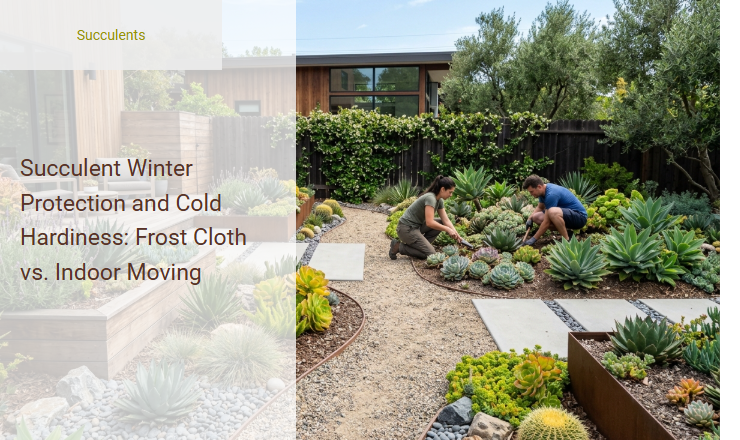
For succulent enthusiasts, the arrival of winter brings a familiar anxiety: watching plunging temperatures threaten to turn a meticulously curated collection into black, frost-bitten mush overnight. To address this challenge effectively, we must first analyze how these desert survivors naturally interact with seasonal shifts.
Successfully navigating this transition grants you the ultimate reward-striking, stress-flushed winter coloration and the peace of mind that your botanical investment is secure. However, defensive gardening requires understanding a key stipulation: cold tolerance is highly species-dependent. While hardy Sempervivum can easily survive outdoors under a blanket of snow, tender species like Echeveria or Crassula will perish at the first hard freeze.
Below, we evaluate the two primary winterization methodologies-deploying outdoor frost cloth versus transitioning plants indoors. By examining the labor, light, and thermal benefits of each, this guide will help you select the optimal protection strategy for your specific climate.
Introduction to Winter Succulent Care
As winter approaches, succulent enthusiasts face a critical challenge: keeping their moisture-rich plants alive during freezing temperatures. Unlike typical houseplants, succulents store water in their leaves and stems, making them highly susceptible to frost damage. This seasonal drop in temperature sparks a common debate among gardeners. Should you shield your outdoor plants using frost cloth, or is it safer to undergo the labor-intensive process of moving them indoors? Choosing the right strategy is essential for ensuring your collection survives the winter chill and thrives come spring.
Understanding Succulent Cold Hardiness
To protect your collection, you must first understand your local USDA Hardiness Zone and how your specific plants react to low temperatures. Succulents are generally categorized into two main groups based on their tolerance to cold:
- Hardy succulents: These plants, such as Sempervivum (Hens and Chicks) and certain Sedums, can survive freezing temperatures down to Zone 5 or lower by entering a dormant state.
- Soft succulents: Often referred to as tender succulents, varieties like Echeveria, Crassula, and Haworthia cannot tolerate frost and will suffer damage or die if exposed to temperatures below freezing.
How Frost Damages Succulent Plants
The very feature that makes succulents so unique-their ability to store water in fleshy leaves-becomes their greatest vulnerability during a freeze. When temperatures drop below freezing, the water stored within the plant's cells expands, forming sharp ice crystals that rupture the cell walls from the inside out.
When these ruptured cells thaw, they lose their structural integrity, causing the leaves to turn mushy, translucent, and eventually blacken with rot. Without proper protective measures, a single night of hard frost can permanently destroy years of plant growth.
Frost Cloth: The Outdoor Shield
For large outdoor gardens or heavy planters, frost cloth, also known as agricultural fleece, offers a highly effective and practical defense mechanism. This specialized lightweight fabric is engineered to trap radiant heat rising from the soil, creating a microclimate that is several degrees warmer than the surrounding air. Unlike plastic sheeting, which can trap condensation and rot the plants, frost cloth provides excellent breathability. It allows vital air circulation and water vapor to escape while still permitting essential sunlight transmission, meaning your succulents can remain covered for several days during a cold snap without suffocating.
Step-by-Step Guide to Applying Frost Cloth
- Monitor the weather: Check the forecast regularly and prepare to apply the cloth when overnight temperatures are predicted to drop near freezing.
- Drape gently: Cover your succulents with the frost cloth, ensuring it drapes all the way to the ground to trap maximum radiant heat from the earth.
- Secure the edges: Use landscape staples, bricks, or heavy stones to secure the edges tightly against the soil, preventing cold wind from blowing underneath.
- Avoid direct contact: Use stakes to prop the cloth up if your succulents have fragile leaves, preventing the weight of the fabric from breaking the stems.
- Remove during the day: Take the cloth off once temperatures rise above freezing during the day to allow for fresh air flow and prevent moisture buildup.
Moving Indoors: Safe Haven from the Cold
When dealing with tender, soft succulents that absolutely cannot tolerate freezing conditions, bringing them indoors is the safest option. Overwintering plants inside a climate-controlled home or heated greenhouse completely eliminates the threat of frost, snow, and freezing rain. This method gives you total control over the environment, allowing you to regulate the temperature and prevent the root rot often caused by cold, wet winter soil. It also turns your winterized succulent collection into beautiful indoor decor throughout the dark winter months.
Tips for Transitioning Succulents Indoors
To ensure a smooth transition from the outdoors to your indoor living space, follow these vital steps to protect both your succulents and your existing houseplants:
- Inspect thoroughly for pests like mealybugs, aphids, and spider mites, treating any infestations before bringing the plants inside.
- Place your succulents in the brightest window available, preferably south- or west-facing, or set up supplemental grow lights to prevent them from stretching.
- Significantly reduce your watering schedule, as indoor succulents grow much slower during winter and require far less moisture.
- Keep plants away from cold drafts near doors and dry heat sources like heating vents or radiators.
Comparison: Frost Cloth vs. Indoor Moving
| Feature | Frost Cloth | Indoor Moving |
|---|---|---|
| Cost | Low to Moderate (affordable rolls of fabric) | Low to High (depending on grow light needs) |
| Labor | Moderate (quick to apply and remove daily) | High (moving heavy pots and organizing space) |
| Effectiveness | High for light frosts; limited in deep freezes | Maximum protection against all freezing weather |
| Best Suited For | In-ground plants, large gardens, mild winters | Potted plants, soft succulents, harsh climates |
Recognizing and Treating Cold Damage
If an unexpected freeze catches you off guard, your succulents may display clear signs of distress. Cold-damaged leaves typically look mushy, translucent, or water-logged, eventually turning brown or black. When you spot these symptoms, it is crucial to remain patient. Resist the urge to do any immediate pruning. The damaged leaves actually act as a protective buffer for the healthy inner core of the plant during subsequent cold nights. Wait until the spring warmth arrives and new growth begins before safely cutting away any dead, shriveled tissue.
Choosing the Best Winter Strategy for Your Garden
Finding the perfect winter protection plan depends on analyzing your specific gardening situation. Consider your local winter climate, the size of your collection, and the indoor space you have available. Gardeners in mild regions with occasional light frosts will find frost cloth to be an efficient, stress-free shield for their plants. Conversely, those living in areas with sustained freezing temperatures or who cultivate delicate, soft succulents should invest the time to move their plants indoors. Assessing these factors carefully ensures your succulent collection remains healthy, vibrant, and ready to burst into growth when the warm spring sun returns.
| Feature | Frost Cloth | Indoor Moving |
|---|---|---|
| Thermal Limit | Moderate (protects down to 28°F / -2°C) | Absolute (climate-controlled environment) |
| Labor & Effort | Low; one-time installation over plants | High; physical hauling and dedicated indoor space |
| Light & Moisture | Permeable; allows natural sun, air, and rain | Restricted; requires artificial light and manual watering |
| Best Application | In-ground plants, large shrubs, hardy crops | Potted tropicals, tender succulents, citrus trees |
Leave a comment