
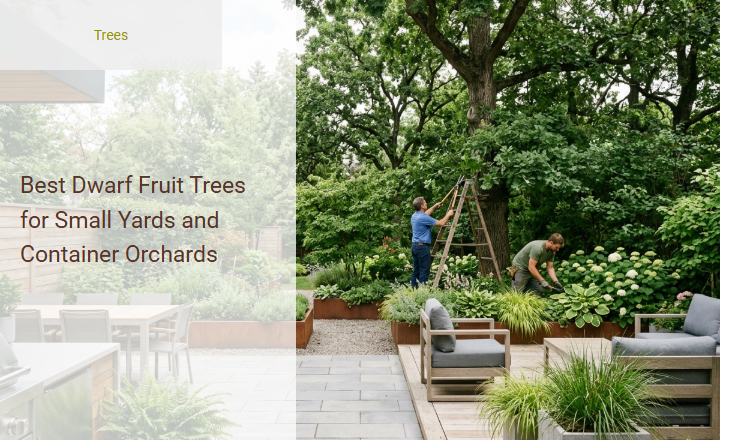
Many aspiring gardeners assume that growing fresh, tree-ripened fruit requires acres of rolling countryside, leaving urban dwellers and suburban homeowners with small patios feeling excluded from the joy of harvesting their own produce. However, modern horticulture has successfully adapted to our shrinking backyard footprints. By understanding how specialized rootstocks restrict canopy growth without sacrificing fruit quality, you can bypass traditional spatial constraints.
Dwarf fruit trees grant you the luxury of a bountiful, hyper-local harvest in a space no larger than a apartment balcony. While cultivating these compact trees does stipulate strict adherence to container drainage protocols and winter root protection, robust varieties like the 'Meyer' Lemon and 'Bonanza' dwarf peach prove that limited soil volume does not compromise yield or flavor. In this guide, we will analyze the best dwarf varieties for your micro-climate and outline the essential maintenance steps for a thriving container orchard.
Read also: Natural Growth vs Espalier for Small Spaces
Introduction to Small-Space Orchards
The dream of plucking ripe, juicy fruit straight from the branch is no longer reserved for those with sprawling acres of countryside. Today, the trend of small-space orchards is taking over urban and suburban homes alike. Whether you have a compact backyard, a sunny balcony, or a modest apartment patio, dwarf fruit trees and innovative growing techniques make it possible to cultivate a bountiful harvest. Space limitations should never prevent you from experiencing the joy of homegrown fruit production.
Benefits of Dwarf Fruit Trees
Dwarf fruit trees are specifically grafted to remain small while producing full-sized fruit, making them the perfect solution for modern gardeners. Here are the key advantages of integrating these compact powerhouses into your garden:
- Early Bearing: Dwarf varieties often produce fruit within their first or second year, much sooner than standard-sized trees.
- Ease of Maintenance: Pruning, harvesting, and pest control are significantly easier when the entire canopy is within arm's reach.
- Portability: Growing dwarf trees in containers allows you to move them to chase the sun or protect them from harsh winter weather.
- High Efficiency: They deliver maximum yield per square foot, making efficient use of limited soil and nutrients.
Best Dwarf Citrus Varieties for Patios
Citrus trees are exceptionally well-suited for container life. They thrive in warm, sunny spots and fill the air with sweet-smelling blossoms before setting fruit. To succeed, ensure they receive at least six to eight hours of direct sunlight daily.
Improved Meyer Lemon (Citrus x meyeri)
This beloved hybrid produces sweet, thin-skinned lemons with a hint of mandarin flavor. It features a naturally bushy growth habit and adapts beautifully to pot culture, staying compact with light pruning.
Key Lime (Citrus x aurantiifolia)
The Key lime is a compact, thorny shrub-like tree that loves heat. It produces small, highly aromatic, tart fruits perfect for baking and drinks, requiring bright, intense light to thrive.
Calamondin Orange (Citrus microcarpa)
Often grown as an ornamental, this incredibly hardy dwarf citrus yields abundant small, sour oranges. It is highly adaptable to indoor environments during winter, provided it sits near a bright southern window.
Top Dwarf Stone Fruits for Small Yards
Stone fruits can also thrive in restricted spaces thanks to specialized rootstocks and genetic dwarfs. Genetic dwarf peaches like 'Bonanza' grow as dense, rounded bushes that rarely exceed six feet, offering showy pink spring blossoms followed by sweet, full-sized yellow peaches. For plums, varieties grafted onto a 'Pixy' rootstock remain highly manageable while still providing a heavy harvest of sweet, juicy plums in late summer.
Growing Tip: Stone fruits require excellent drainage. Elevate your pots slightly on bricks or pot feet to prevent soggy roots, which can lead to root rot and poor fruit development.
Compact Apples and Pears for Columns and Pots
If horizontal space is practically non-existent, vertical gardening is your answer. Columnar apple trees grow straight up like a utility pole, rarely expanding more than two feet wide while bearing fruit directly along the main trunk. Dwarf pears also adapt beautifully to tight spaces when grafted onto specific dwarfing rootstocks, allowing you to enjoy crisp, orchard-fresh harvests from a single pot on your deck.
When purchasing, look for trees grafted onto these specific space-saving rootstocks:
- M27: An extremely dwarfing apple rootstock that keeps trees under six feet tall, perfect for patio pots.
- Quince C: The premier dwarfing rootstock for pears, which encourages early fruiting and maintains a highly compact tree size.
Selecting the Perfect Container and Soil Mix
Choosing the right home for your tree's roots is critical. Start with a container that is at least 12 to 15 inches in diameter, gradually potting up as the tree grows. Terracotta pots offer excellent stability and breathability, though they dry out quickly. Plastic and resin pots are lightweight and retain moisture longer, making them easier to move indoors for the winter. Regardless of material, ensure the pot has ample drainage holes.
- Begin with a high-quality organic potting soil as your base to ensure a clean, nutrient-rich structure.
- Mix in one part coarse perlite or pumice to maximize drainage and prevent the soil from compacting over time.
- Add one part compost or well-rotted manure to provide a steady release of essential organic nutrients.
- Stir in a handful of slow-release organic fertilizer formulated specifically for fruit trees to feed the roots gradually.
Watering and Fertilizing Small-Scale Orchards
Container-grown fruit trees dry out much faster than those planted in the ground. Water deeply whenever the top two inches of soil feel dry to the touch, ensuring water runs out of the bottom drainage holes. During hot summer days, your trees may require daily watering. To support fruit development, a consistent feeding routine is essential, as nutrients leach out of pots during watering.
Apply a balanced organic fruit tree fertilizer during active spring growth and just as the flower buds begin to swell to maximize your harvest potential.
Pruning and Training for High Yields
Pruning is the key to keeping your dwarf fruit trees healthy, compact, and highly productive. By removing dead wood and opening up the canopy, you increase sunlight penetration and air circulation, which reduces disease pressure and stimulates fruit bud development.
Winter Pruning
Perform structural pruning in late winter when the tree is dormant. Focus on removing dead, diseased, or crossing branches, and establish a strong central leader or open-center shape to support future heavy fruit loads.
Summer Pruning
Use summer pruning to control the overall size of the tree and redirect energy. Pinching back vigorous new leafy shoots in mid-summer encourages the tree to channel its resources into developing sweet, high-quality fruit rather than excessive foliage.
Protecting Your Trees from Extreme Weather
Because their root systems are elevated above the ground, containerized fruit trees are highly vulnerable to extreme weather. In freezing winter climates, insulate pots with bubble wrap, apply a thick layer of mulch, wrap the canopy in frost cloth, or move the entire container into an unheated garage or shed. Conversely, intense summer heat waves can bake container roots and scorch delicate leaves.
Watch closely for leaf curl, scorched leaf margins, and sudden fruit drop, which are clear warning signs of extreme temperature stress that require immediate shade or watering.
Harvesting and Enjoying Your Homegrown Fruit
Knowing when to harvest is the final step to small-space orchard success. Most fruits show clear signs of ripeness through color changes, a gentle softening of the flesh, and a sweet fragrance. Apples should pop off the branch with a gentle twist, while citrus is best harvested only after fully coloring on the tree, as it does not continue to ripen once picked.
With just a little care, attention, and the right dwarf varieties, you can transform any sunny corner of your home into a vibrant, edible oasis that rewards you with luscious, sun-ripened fruit year after year.
Summary
Growing a home orchard is no longer limited to expansive rural properties. Dwarf fruit trees offer the perfect solution for urban gardeners, fitting beautifully into small yards, patios, and container gardens. These compact varieties-such as dwarf apples, peaches, cherries, and citrus-typically reach heights of only eight to ten feet while producing full-sized, delicious fruit. They are grafted onto specialized rootstocks that restrict tree size without sacrificing crop yield.
Cultivating dwarf trees in containers also allows for easy portability, making it simple to protect sensitive plants during harsh winters. To ensure success, gardeners should choose self-fertile varieties, utilize well-draining soil, and provide at least six hours of daily sunlight. With minimal pruning and basic maintenance, anyone can enjoy the rich bounty of fresh, homegrown fruit right from their balcony or backyard.
Leave a comment