
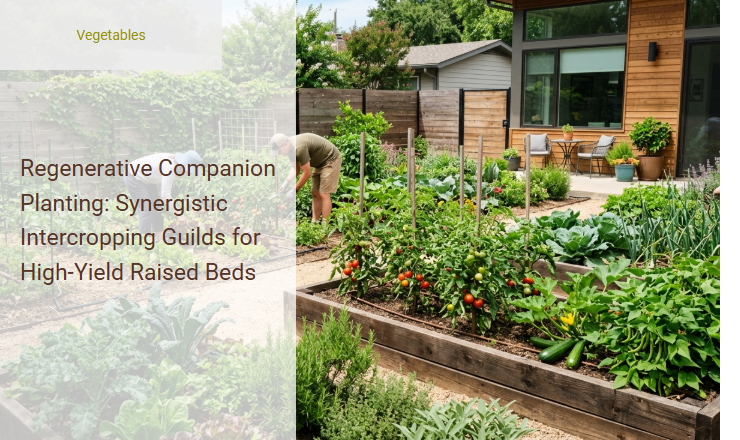
Many intensive gardeners face the frustrating reality of rapid soil depletion and dwindling yields in their raised beds, despite investing significant time and budget into organic fertilizers. Before addressing external inputs, we must first examine how traditional monoculture spacing artificially limits plant potential by leaving soil biology underutilized. Transitioning to regenerative companion planting grants your garden a self-regulating ecosystem that naturally accelerates nutrient cycling and deters pests. However, achieving these high yields stipulates a precise understanding of root architecture and biochemical relationships, rather than casual co-planting. For instance, pairing deep-rooted tomatoes with nitrogen-fixing bush beans and pest-repelling French marigolds creates a structurally and chemically optimized guild that maximizes limited space. This article will analyze the science of synergistic intercropping, outlining practical guild blueprints designed to transform your raised beds into self-sustaining, high-yield powerhouses.
Read also: Intercropping vs Monoculture for Garden Yield
The Foundations of Regenerative Companion Planting
Regenerative agriculture seeks to restore and enhance the natural systems that sustain life. When applied to home gardening, particularly within raised beds, this philosophy manifests as regenerative companion planting. Instead of growing single crops in isolated rows, this method utilizes synergistic intercropping to mimic the complexity, resilience, and fertility of natural ecosystems. By pairing plants that mutually support one another, gardeners can cultivate a self-sustaining environment that naturally boosts soil health and maximizes crop yields without relying on synthetic inputs.
In a raised bed, space is at a premium, making the structural and biological relationships between plants incredibly important. Synergistic intercropping ensures that every square inch of soil is active, protected, and nourished. Rather than depleting the soil, this cooperative planting approach keeps the soil biology active throughout the growing season, turning your garden bed into a thriving, biodiverse oasis that yields abundant, nutrient-dense food.
The Underground Science of Synergistic Intercropping
Beneath the surface of a thriving companion-planted bed lies a complex network of biological transactions. Plants are not passive consumers of nutrients; they actively shape their environment by releasing root exudates-complex mixtures of sugars, amino acids, and enzymes-into the surrounding rhizosphere. These exudates attract specific beneficial microbes, creating a localized soil food web that helps unlock locked-up minerals for plant uptake. When diverse species are planted together, their varied root exudates cultivate a highly diverse and resilient microbial community.
In addition to root chemistry, underground networks of mycorrhizal fungi act as a biological highway system. These fungal threads physically connect the root systems of different plant families, facilitating direct nutrient sharing and water distribution across the entire bed. If one plant is rich in phosphorus while its neighbor lacks it, the mycorrhizal network can help balance the supply. Furthermore, these subterranean networks play a vital role in natural pest disruption. When a plant is attacked by herbivores, it can send chemical warning signals through the fungal network, prompting neighboring plants to ramp up their own chemical defense mechanisms before the pests even arrive.
"The soil is the great connector of lives, the source and destination of all. It is the healer and restorer and resurrector, by which disease passes into health, age into youth, death into life." - Wendell Berry
Optimizing the Raised Bed Microclimate
Raised beds inherently offer unique environmental advantages that make them the ideal stage for companion planting. Because they are elevated above the ground level, their soil warms up significantly faster in the spring, which stimulates early microbial activity and accelerates root development. The controlled soil structure within a raised bed also ensures exceptional drainage, preventing waterlogging and protecting delicate root systems from rotting during heavy rains.
By implementing intensive spacing dynamics, companion planting takes full advantage of this optimized environment. Instead of leaving bare patches of dirt that evaporate moisture and invite weeds, a dense canopy of mutually supportive plants is established. This living mulch protects the soil from the drying effects of wind and harsh sun, preserving a stable microclimate directly at the soil surface.
- Soil Temperature Control: Elevating the growing medium allows the sun to warm the soil earlier in the season, extending the active growing period.
- Excellent Drainage: Structured raised bed soil mixes prevent compaction, allowing excess water to drain freely while retaining vital moisture.
- Intensive Spacing: Planting in dense, layered arrangements maximizes leaf canopy coverage, reducing weed growth and conserving soil moisture.
Guild One: The Three Sisters and Modern Adaptations
The Classic Indigenous Synergy
The Three Sisters guild represents one of the oldest and most successful examples of regenerative polyculture, traditionally practiced by indigenous peoples of North America. This group consists of corn, beans, and squash, planted in close proximity to form a highly cooperative unit. The corn grows tall and strong, serving as a natural living trellis for the climbing beans. In return, the beans-partnering with nitrogen-fixing soil bacteria-draw nitrogen from the air and deposit it into the soil, feeding the nitrogen-hungry corn. Meanwhile, the large, prickly leaves of the squash sprawl across the ground, acting as a living mulch that cools the soil, retains moisture, and deters pests with its rough texture.
A Modern Trellis Adaptation for Small Raised Beds
While the traditional Three Sisters guild is highly productive, giant field corn and sprawling winter squash can quickly overwhelm a standard 4x8 raised bed. Fortunately, modern gardeners can adapt this indigenous wisdom to smaller spaces using compact varieties and vertical structures.
- Install a sturdy metal or wooden trellis at the northern end of your raised bed to support climbing varieties without shading smaller crops.
- Plant pole beans at the base of the trellis alongside a compact, dwarf corn variety or tall sunflowers to act as the structural support element.
- Sow bush varieties of summer squash, zucchini, or compact pumpkins at the southern edge of the bed to provide ground cover without sprawling uncontrollably over your other plants.
Guild Two: The Nightshade Protection Shield
The Classic Trio of Tomatoes, Basil, and Marigolds
In the world of companion planting, few combinations are as highly productive and famous as the nightshade protection shield: tomatoes, basil, and French marigolds. This classic grouping works beautifully in raised beds, where space optimization and pest protection are critical. Tomatoes grow tall, forming a leafy upper canopy, while basil thrives in the partial shade provided by the tomato branches. French marigolds border the grouping, adding vibrant color and protective compounds to the soil and air. Together, they create a highly resilient system that yields bountiful harvests of delicious summer crops.
The true magic of this guild lies in chemical signaling and scent disruption. Tomatoes are highly susceptible to pests like hornworms, aphids, and whiteflies. Marigolds secrete chemical compounds, such as alpha-terthienyl, through their roots, which helps suppress harmful root-knot nematodes in the soil. Additionally, the strong, pungent aromas of both marigolds and basil release volatile organic compounds into the air, masking the scent of the tomato plant and confusing flying pests. This scent barrier keeps predatory insects at bay while encouraging beneficial pollinators to visit. Many gardeners also report that growing basil in close proximity to tomatoes directly improves the flavor of the ripening fruit by altering the local microclimate and soil chemistry.

Guild Three: The Brassica and Allium Defense System
Underground and Above-Ground Deterrence
Members of the brassica family, such as kale, broccoli, and cabbage, are notorious targets for pests like the cabbage moth, aphids, and flea beetles. To build a robust natural defense system, smart gardeners interplant brassicas with alliums, which include onions, garlic, shallots, and chives. The intense, sulfurous scent of alliums acts as an incredibly potent natural deterrent, masking the sweet, leafy smell of brassicas and keeping destructive pests away from your valuable leafy greens.
Beyond chemical pest control, this pairing is highly efficient because it utilizes different soil horizons. Brassicas are heavy feeders with broad, shallow root systems that spread horizontally to capture nutrients near the soil surface. Alliums, on the other hand, have narrow, deep, bulbous root systems that dive straight down into the lower soil horizons. This vertical division of labor means the plants are not actively competing for the same nutrients and water, allowing you to plant them closer together than you would in traditional row gardening. The alliums protect the canopy while the brassicas make use of the upper soil layers, resulting in a highly efficient and self-protecting raised bed system.
Guild Four: Underground Spatial Efficiency with Roots and Shoots
Maximizing the Underground Footprint
To get the highest possible yield from a raised bed, we must look below the surface and optimize the spatial efficiency of the soil. The roots and shoots guild, featuring carrots, radishes, and lettuce, is an exceptional example of spatial and temporal harmony. These three crops grow at vastly different speeds and utilize distinct depths within the soil profile, ensuring that not a single cubic inch of your growing medium is wasted. By understanding their growth rates and root shapes, we can plant them in the exact same footprint simultaneously.
Radishes are the pioneers of this system, germinating within days and maturing in as little as three weeks. As their small, round roots swell, they naturally loosen and aerate the top layer of soil. Carrots are much slower to germinate and grow, taking several months to mature. Their deep, taproots dive straight down into the lower soil layers, accessing water and minerals that shallow-rooted plants cannot reach. Meanwhile, lettuce grows entirely on the surface with a shallow, fibrous root system that keeps the topsoil moist and cool. The table below outlines how these three crops divide soil space and timing to eliminate resource competition.
| Crop Name | Root Depth | Days to Harvest | Main Ecological Benefit |
|---|---|---|---|
| Radish | Shallow (2 to 3 inches) | 21 to 30 days | Aerates topsoil and loosens crust |
| Carrot | Deep Taproot (8 to 12 inches) | 70 to 80 days | Breaks up deep soil and mines minerals |
| Lettuce | Shallow & Fibrous (3 to 4 inches) | 45 to 55 days | Acts as living mulch to retain moisture |
Nurturing the Soil Food Web through Multi-Tiered Guilds
A truly regenerative companion planting system does not just focus on the plants we harvest; it must also support the long-term fertility of the soil itself. Multi-tiered guilds incorporate specialized plants that serve specific ecological roles, such as dynamic accumulators, insectary plants, and nitrogen-fixers. Dynamic accumulators like comfrey or dandelion have deep taproots that mine valuable trace minerals from the deep subsoil and concentrate them in their leaves. When these leaves die back or are cut and used as mulch, they release those minerals into the upper soil profile, making them accessible to shallow-rooted vegetable crops.
To sustain this cycle, we must also support the biological partners that protect and nourish our plants. Insectary plants like dill, sweet alyssum, and yarrow produce tiny, nectar-rich flowers that attract predatory wasps, hoverflies, and ladybugs, keeping pest populations under control naturally. Nitrogen-fixing plants like clover and peas partner with rhizobium bacteria to convert atmospheric nitrogen into a plant-soluble form. By planting these supportive species alongside our primary crops, we feed the soil food web from the bottom up, ensuring our raised beds remain fertile and productive for years to come.
Step-by-Step Mapping and Succession Planning
Setting up a highly productive 4x8 raised bed requires a clear layout plan and a strategic timeline. By mapping out where each guild is positioned and scheduling when to plant them, you can maximize your space and ensure a continuous harvest from spring through autumn. The following guide outlines a practical step-by-step approach to mapping and succession planting in a standard 4x8 layout.
- Map the Bed by Height: Position your tallest plants, such as climbing beans on a trellis or tomatoes, along the northern edge of the bed. This prevents them from casting unwanted shade on shorter, sun-loving plants during the peak of the day.
- Sow the Root and Shoot Guild Early: In early spring, sow your radishes, carrots, and lettuce in the middle section of the bed. Since radishes mature quickly, they will be harvested and gone before the carrots need the physical space to expand.
- Interplant Nightshades and Alliums: Once the danger of frost has passed, transplant your tomatoes, basil, and marigolds into the warm, sunny southern zones. Tuck garlic or onions in between these plants to establish an early aromatic shield.
- Practice Rotational Succession: As soon as early spring crops like radishes and head lettuce are harvested, immediately plant a second wave of warm-season bush beans or leafy greens in those vacant spots to keep the soil covered and active.
Managing your planting schedule ensures that the soil is never left bare. Keeping live roots in the ground at all times sustains the underground microbial networks and maintains excellent soil structure throughout the seasons.
Troubleshooting and Maintaining Your Regenerative Guilds
While companion planting offers incredible benefits, it is not without challenges. One of the most common pitfalls is physical resource competition. If you plant species too closely without considering their ultimate size, fast-growing plants can easily crowd out and starve slower-growing varieties. Over-shading is another frequent issue; a massive tomato plant can quickly block out the sunlight needed by sun-loving herbs if they are planted on the wrong side of the canopy. To prevent these issues, gardeners must actively monitor and manage physical space throughout the growing season.
Maintaining balance within a highly productive raised bed requires observation and a few simple management habits. By taking preventive measures, you can ensure your companion guilds work together harmoniously:
- Prune aggressively: Regularly trim back the lower leaves of tall plants like tomatoes to allow sunlight to reach the understory crops like basil and dwarf marigolds.
- Monitor soil moisture: Highly dense plantings transpire water quickly. Check soil moisture layers regularly and water deeply at the soil level to support all root zones.
- Thin early and often: Do not hesitate to thin root crops like carrots and radishes to their recommended spacing to prevent stunted growth and underground crowding.
- Observe insect interactions: Keep a close eye on pest populations and beneficial insects. If pests begin to overwhelm a guild, introduce more insectary flowers to boost predator populations.
Summary
"Regenerative Companion Planting: Synergistic Intercropping Guilds for High-Yield Raised Beds" provides a comprehensive guide to maximizing agricultural productivity and soil vitality through ecological design. The article details how gardeners can transition from traditional monoculture to biodiverse, self-sustaining ecosystems within raised beds.
By grouping plants into "guilds"-cooperative plant communities-growers leverage natural relationships that mutually enhance growth. Key mechanisms explored include biological nitrogen fixation, dynamic nutrient accumulation, natural pest suppression, and spatial optimization through vertical layering. Rather than relying on synthetic fertilizers and pesticides, this regenerative approach fosters a resilient micro-ecosystem. The guide offers actionable blueprints for designing high-yield guilds, ensuring improved soil structure, enhanced moisture retention, and superior pest management, ultimately leading to abundant harvests with minimal environmental impact.
Leave a comment