
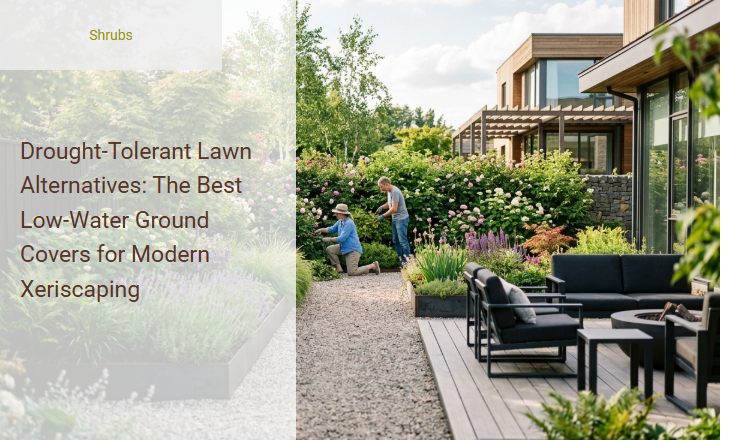
Maintaining a lush, emerald lawn has become an uphill battle for homeowners facing soaring water rates, strict municipal irrigation restrictions, and unpredictable weather patterns. Traditional turfgrass is notoriously resource-intensive, requiring constant pampering just to stay green in arid climates.
Embracing modern xeriscaping offers a elegant way out of this cycle, promising to slash your outdoor water use by up to 60% while virtually eliminating the chore of weekly mowing. However, a successful transition requires managing expectations: "drought-tolerant" does not mean "zero maintenance," particularly during the critical first year when root systems are establishing.
Fortunately, robust species such as creeping thyme, dymondia, and Kurapia demonstrate that you do not have to sacrifice green aesthetics for ecological responsibility. In this guide, we will evaluate the premier low-water ground covers available today, analyzing their traffic tolerance, soil preferences, and growth habits to help you select the ideal alternative for your property.
Read also: Rockrose vs Lavender for Xeriscaping
The Shift to Eco-Conscious Landscaping
Traditional turf lawns have long been the standard of suburban beauty, but keeping them pristine comes with a heavy price tag. Homeowners pay dearly in both soaring water bills and hours of labor, while the planet suffers from the high volume of synthetic fertilizers, chemical pesticides, and excessive water waste needed to maintain non-native grasses. Fortunately, a beautiful, ecological shift is underway. Modern xeriscaping with low-water ground covers offers an eco-friendly and economically savvy alternative, replacing resource-intensive turf with resilient, biodiversity-boosting plants that thrive with minimal intervention.
Key Advantages of Drought-Tolerant Ground Covers
Ditch the high-maintenance monoculture and embrace a dynamic, resilient yard. Replacing traditional grass with drought-tolerant ground covers introduces a wave of environmental and lifestyle benefits that make the transition highly rewarding:
- Significant water conservation, cutting outdoor irrigation needs by up to 50% or more.
- Substantially reduced maintenance, eliminating the need for weekly mowing, trimming, and heavy fertilizing.
- Improved biodiversity, providing food and habitat for vital local pollinators like bees and butterflies.
- Natural weed suppression as dense foliage blankets the soil, preventing weed seeds from taking root.
Creeping Thyme (Thymus serpyllum): The Fragrant Choice
A Fragrant, Low-Profile Turf Alternative
For those who wish to step away from traditional lawns without losing a lush, soft feel underfoot, Thymus serpyllum is an exceptional option. This hardy perennial forms a dense, low-growing carpet that reaches just a few inches in height. During the summer, it explodes into a sea of vibrant purple blooms, attracting beneficial pollinators while releasing a sweet, herbal scent whenever it is stepped on. It possesses a moderate tolerance for foot traffic, making it perfect for pathways, patios, and accent areas where you can regularly enjoy its aromatic presence.
Microclover (Trifolium repens 'Pipolina'): The Evergreen Nitrogen Fixer
The Sustainable, Self-Fertilizing Green Carpet
If you love the classic look of a green lawn but hate the chemicals and water usage, Microclover is the perfect solution. This miniature clover cultivar stays vibrant green throughout the year with only a fraction of the water required by traditional turfgrasses. Microclover naturally fixes nitrogen from the atmosphere and pumps it directly into the soil, acting as a self-sustaining fertilizer that eliminates the need for synthetic chemicals. Its dense growth pattern effectively crowds out opportunistic weeds, resulting in a healthy, resilient lawn alternative that thrives under diverse conditions.
Silver Carpet (Dymondia margaretae): Best for Foot Traffic
A Resilient and Visually Striking Ground Cover
Dymondia margaretae is highly regarded by landscape designers for its unique ability to thrive under pressure, turning high-traffic zones into living works of art.
Silver Carpet is a spectacular ground cover native to South Africa, praised for its tight, low-profile growth and striking variegated leaves. The slender green leaves feature brilliant silvery undersides, creating a beautiful shimmering effect when rustled by the wind. Blessed with a deep, robust taproot system, this plant excels at anchored soil stabilization and possesses an outstanding ability to withstand heavy foot traffic, making it the premier choice for walkways, driveways, and active play areas.
Stonecrop (Sedum): The Ultimate Succulent Ground Cover
Fleshy Foliage and Extreme Hardiness
For the most challenging microclimates and nutrient-poor soils, low-growing Sedum species represent the pinnacle of drought resilience. These succulent ground covers store water in their fleshy leaves, allowing them to withstand prolonged dry spells with ease. Key varieties offer exceptional benefits:
- Extreme drought tolerance that allows survival in arid regions and rocky terrains.
- A stunning spectrum of vibrant colors, ranging from lime green and gold to deep copper and plum.
- Exceptional adaptability to poor, sandy, or gravelly soils where other plants struggle.
Kurapia (Lippia nodiflora): The High-Performance Turf Alternative
A Sterile, Rapidly-Establishing Utility Cover
Kurapia represents a major breakthrough in modern turf replacement. This highly engineered, sterile ground cover establishes a dense root system with incredible speed, making it highly effective at preventing soil erosion on steep slopes. It flourishes in a wide variety of soil types and requires up to 60% less water than traditional cool-season grasses. Because it is sterile, it does not produce invasive seeds, ensuring it stays exactly where you plant it while offering a low-maintenance, uniform aesthetic that can even be mowed if a manicured turf appearance is desired.
Transitioning Your Yard: Soil Preparation and Planting
Transitioning to an eco-conscious landscape requires thorough preparation to ensure your new ground covers establish successfully. Proper ground prep prevents weed competition and encourages deep root growth:
- Completely remove or kill the existing grass using organic sheet mulching or a sod cutter to clear the area.
- Aerate the soil and incorporate organic compost to improve drainage and nutrient availability, especially in compacted or clay soils.
- Install your selected plug or potted ground covers at the recommended spacing, ensuring root balls are level with the surrounding soil.
- Apply a light layer of organic mulch around the new plants to retain moisture and suppress weeds while they fill in.
Care and Maintenance Tips After Establishment
While drought-tolerant ground covers require far less care than a traditional lawn, they still need some attention during their initial establishment phase to reach peak resilience.
- Water regularly for the first two to three months, gradually reducing frequency as root systems mature.
- Perform light hand-weeding to protect young plants from being crowded out by persistent weeds.
- Mow or trim lightly once or twice a year if needed to maintain a tidy appearance or encourage denser growth.
Embracing a Greener, Water-Wise Future
Stepping away from the traditional, high-maintenance turf lawn is more than just a smart financial decision; it is an active contribution to global environmental health. By choosing climate-appropriate ground covers, you reduce waste, support local ecosystems, and reclaim your weekends. Transform your outdoor space into a modern, climate-resilient oasis that proves beauty and sustainability can thrive hand in hand.
Summary
"Drought-Tolerant Lawn Alternatives: The Best Low-Water Ground Covers for Modern Xeriscaping" explores sustainable and aesthetically pleasing landscaping solutions designed to replace traditional, water-intensive grass lawns. As climate change and water scarcity intensify, this comprehensive guide introduces homeowners to resilient, low-maintenance ground covers that thrive in arid conditions.
The article highlights top-performing varieties such as creeping thyme, dymondia, microclover, and various sedums, detailing their specific benefits, including foot-traffic tolerance, weed suppression, and pollinator appeal. Additionally, it offers practical advice on soil preparation, planting techniques, and irrigation during the establishment phase. By transitioning to these eco-friendly turf alternatives, gardeners can significantly reduce their water bills, minimize maintenance chores like mowing, and foster local biodiversity. Ultimately, the guide empowers readers to embrace modern xeriscaping, transforming their outdoor spaces into vibrant, drought-resilient havens.
Leave a comment