
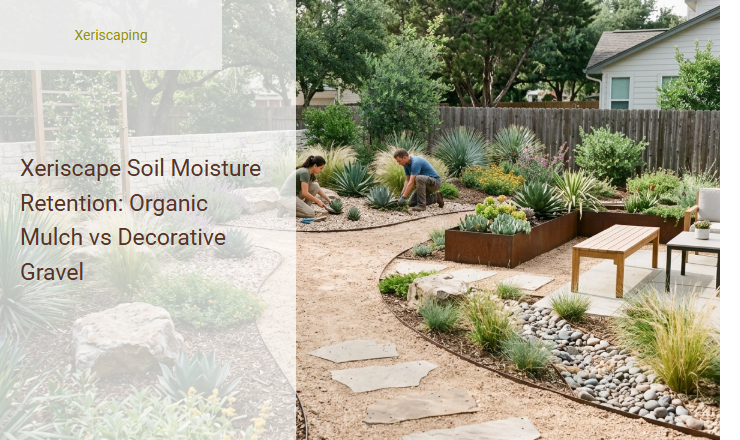
Xeriscape gardeners often face the frustrating challenge of watching their drought-tolerant plants wither despite careful watering, as intense surface heat rapidly evaporates precious soil moisture. Before choosing a ground cover to combat this, it is vital to first understand how soil thermodynamics and surface barriers interact to regulate root-zone temperatures. Selecting the right protective layer grants you ultimate control over water conservation, drastically slashing your irrigation needs while fostering highly resilient plant growth.
However, achieving these benefits is not a one-size-fits-all endeavor; it stipulates a careful evaluation of your specific local microclimate and native soil composition. For instance, while shredded cedar mulch excels at cooling and enriching organic-rich garden beds, decorative granite gravel offers superior durability and drainage in windswept, arid exposures. In this guide, we will analyze the moisture-retention capabilities, thermal impacts, and long-term maintenance of both organic mulches and decorative gravels to help you make the ideal choice for your landscape.
Introduction to Arid Landscaping and the Battle for Soil Moisture
In arid regions, water is the most precious resource, making efficient water management a necessity. Xeriscaping, a landscaping method designed specifically for areas susceptible to drought, focuses on reducing or eliminating the need for supplemental irrigation. At the heart of this practice is the preservation of soil moisture. Without an effective barrier, the blazing sun and dry winds quickly strip the earth of its hydration, leaving plant roots dry and vulnerable.
To combat this rapid water loss, homeowners and landscapers rely on ground covers. Two primary contenders dominate the xeriscaping debate: organic mulch and decorative gravel. Each offers a unique mechanism for shielding the earth, yet they behave very differently when subjected to intense heat and long dry spells.
The Science Behind Ground Cover and Evaporation Control
Understanding how ground covers conserve water requires a basic grasp of physics. Soil evaporation occurs when solar radiation warms the ground surface, turning liquid water into vapor. This vapor then escapes into the drier air above. Wind accelerates this process by constantly replacing moist air near the surface with dry air, maintaining a steep humidity gradient.
A physical surface barrier disrupts this cycle by creating a boundary layer. This microclimate zone sits directly above the soil surface and retains a higher level of humidity. By shielding the soil from direct sunlight, both organic and inorganic covers drastically reduce ground temperature. Additionally, they block the wind, preventing it from sweeping away the pocket of humid air trapped just above the earth. As a result, the rate of evaporation drops significantly, keeping moisture locked within the root zone for much longer periods.
Organic Mulch: Nature's Biodegradable Sponge
Organic mulches, which include materials like shredded bark, wood chips, and compost, act as a living blanket for the landscape. Unlike hard surfaces, these organic materials possess a porous structure that excels at managing water distribution during rains or irrigation events.
- Water Absorption: Shredded bark and wood chips act like a sponge, absorbing water instantly and releasing it slowly down into the soil rather than letting it run off.
- Soil Structure Improvement: As these materials decompose, they integrate organic matter into the underlying dirt, enhancing its natural ability to hold water.
- Microbial Support: The decomposition process feeds beneficial fungi, bacteria, and earthworms, creating a thriving underground ecosystem.
The Hidden Costs of Decomposition: Challenges of Organic Mulch
While the decomposition of organic mulch provides immense benefits to the soil, it also presents distinct challenges. Because these materials break down naturally over time, they require regular replenishment. Homeowners must top off the layers every year or two to maintain the depth necessary for effective moisture control, leading to ongoing maintenance labor and costs.
Another biological challenge is the potential for nitrogen depletion. Microbes breaking down high-carbon wood chips require nitrogen to do their job, occasionally pulling this vital nutrient away from shallow-rooted plants. Furthermore, lightweight wood chips are highly susceptible to wind displacement and heavy rains, which can easily scatter the material across paths and lawns during a storm.
Decorative Gravel: The Permanent and Sleek Barrier
Decorative gravel, river rock, and crushed stone offer a highly durable alternative to organic materials. This class of ground cover is favored in modern, minimalist landscape designs for its crisp lines and structural permanence.
- Exceptional Longevity: Unlike wood chips, gravel does not rot, decay, or blow away, remaining intact for decades.
- Low Maintenance: Once installed, it requires virtually no replenishing, saving significant labor over the lifespan of the landscape.
- Sleek Aesthetics: Stones come in an array of colors, sizes, and textures, creating a polished, structured look that pairs beautifully with desert flora.
The Heat Island Effect: The Downside of Gravel Mulch
Despite its permanence, gravel has major thermal drawbacks in hot climates. Stones possess high thermal mass, meaning they absorb large amounts of solar radiation during the day and retain that energy long after the sun goes down. This heat is radiated back into the atmosphere and down into the soil, creating a localized heat island effect.
This elevated temperature can bake plant roots and stress drought-sensitive species. Furthermore, while gravel initially deters weeds, airborne dust and organic debris eventually settle into the gaps between the rocks. Over time, this creates a fertile seedbed for resilient weeds, which can be highly challenging to remove from a rocky barrier without chemical interventions.
Side-by-Side Analysis: Moisture Retention Capabilities
To understand how these two materials perform in real-world scenarios, we can analyze how soil moisture levels behave under each cover type throughout the hottest months of summer.
| Metric | Organic Mulch | Decorative Gravel |
|---|---|---|
| Initial Water Absorption | High (acts as a sponge) | Low (water drains straight through) |
| Evaporative Protection | Excellent (shades and insulates) | Moderate (shades but transfers heat) |
| Late Summer Soil Moisture | Consistent and deep | Shallow and prone to rapid drying |
Long-Term Soil Health and Microbial Ecosystems
Soil is not just dirt; it is a living, breathing biological network. The choice of ground cover directly dictates the health of the underground micro-community over time.
Organic mulches feed the earth by decaying slowly, encouraging a diverse network of mycorrhizal fungi and beneficial bacteria that assist roots in nutrient uptake. Conversely, gravel creates a static, non-nutritive layer that does not enrich the soil food web.
Financial and Aesthetic Decisions: Finding Your Fit
Choosing between wood and stone involves balancing long-term budgets with design goals. Organic mulch requires a lower upfront financial investment, but its maintenance cycle means paying for material and labor repeatedly over the years. Homeowners who prefer a natural, woodland, or cottage garden aesthetic often choose this path, as it blends seamlessly with lush plantings.
On the other hand, decorative gravel requires a substantial initial investment for both the material and the physical labor of installation. However, once installed, it offers massive long-term savings because it does not require replenishment. This makes gravel ideal for modern, desert-chic, or mid-century modern architectural styles where clean lines and low-maintenance lifestyles are prioritized.
Designing the Hybrid Xeriscape for Optimal Efficiency
Instead of choosing only one material, the most efficient xeriscapes use a hybrid approach. Homeowners can place organic mulch directly around the root zones of trees, shrubs, and water-sensitive plants. This ensures they receive the cooling benefits and nutrient boost of organic matter.
At the same time, decorative gravel can be placed in pathways, active seating areas, and around highly drought-tolerant desert plants like agaves and cacti. This spatial division maximizes soil health where it matters most while retaining a clean, permanent, and modern structure across the rest of the landscape.
| Feature / Metric | Straw Wattle | Geotextile Fabric |
|---|---|---|
| Form & Material | Cylindrical logs made of compressed weed-free straw wrapped in photodegradable netting. | Flat, continuous sheets of woven or non-woven synthetic polymers (polypropylene) or natural fibers (coir/jute). |
| Primary Function | Interrupts water runoff flow, reduces slope length, and traps suspended sediment. | Prevents sheet erosion from wind/rain, stabilizes soil structure, and promotes vegetation growth. |
| Slope Suitability | Mild to moderate slopes (up to 2:1 gradient), installed horizontally along contours. | Severe to vertical slopes (1:1 gradient or steeper) and high-flow channels requiring complete surface cover. |
| Longevity & Biodegradability | Temporary (1 to 2 years); fully biodegrades into the soil over time. | Permanent (synthetic) or semi-permanent (biodegradable natural fibers lasting 2 to 5 years). |
| Installation & Cost | Low material cost; rapid installation using wooden stakes with minimal ground preparation. | Moderate to high cost; requires extensive site grading, trenching, and anchoring with metal staples. |
Leave a comment